


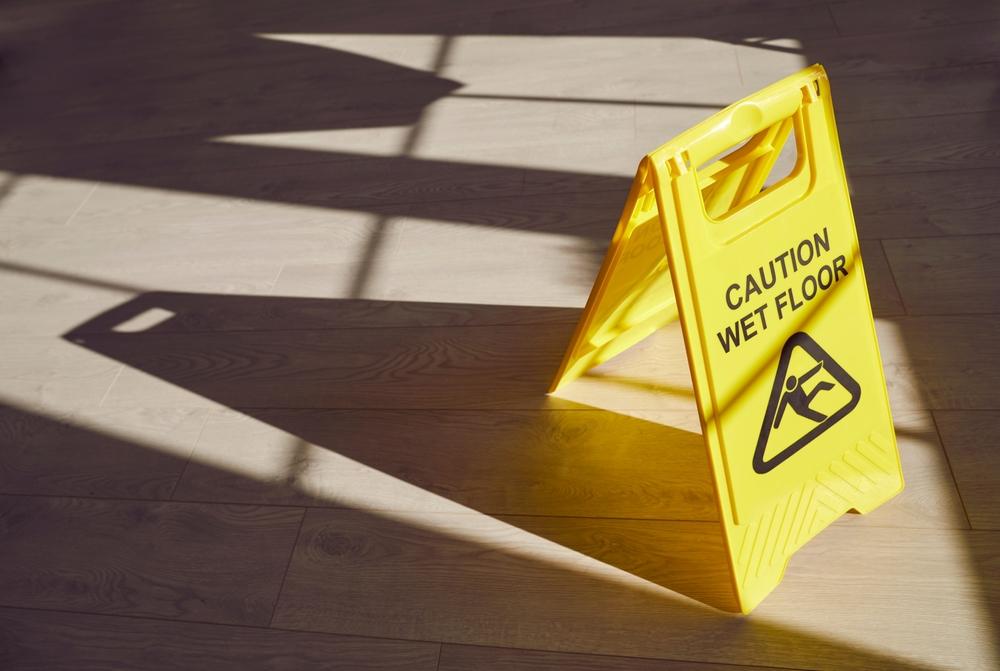
A slip and fall often looks simple from the outside, but the body remembers more than what the moment shows. One second of slipping, a quick attempt to balance, and everything feels normal again.
That sense of normal is what makes people ignore what comes next. In many cases, a biceps tear after a slip and fall does not show its full effect right away. The discomfort stays quiet at first, then slowly starts revealing itself through small changes in movement, strength, and comfort.
What feels like a harmless fall can quietly turn into something that needs more attention than expected.
Why “Feeling Fine” Can Be Misleading
Contents
Right after a fall, the body often goes into a protective mode. Adrenaline increases, and it blocks pain signals for a short time. This is why many people stand up and believe everything is fine. The body is still adjusting, even if the mind has already moved on.
This delay creates a false sense of safety. A person may walk, lift, or move normally and assume there is no damage. But internal strain does not always show itself immediately. Muscles and tendons can react slowly, and that delay is where confusion begins. What feels okay in the first hour may not stay the same by the end of the day or even the next morning.
Clue 1: Pain That Builds Instead of Fading
One of the first signs that something is not right is pain that grows instead of settling. A normal fall usually leads to discomfort that slowly improves. When pain increases over time, it suggests something deeper may be involved.
This type of pain often starts as a mild ache. It is easy to ignore because it does not feel sharp or urgent. However, as hours pass, it can become stronger and more noticeable during simple movements like lifting or stretching. In cases involving a biceps tear after a slip and fall, this pattern is common because the tendon or muscle continues to react after the initial impact.
Clue 2: Weakness in the Arm or Shoulder
Another clear sign is a sudden drop in strength. Tasks that once felt easy may start feeling difficult. Holding objects, lifting a bag, or even extending the arm can feel unusual or tiring.
This weakness is not always painful at first, which makes it easy to overlook. People often assume they are just sore from the fall. But when strength does not return within a short time, it signals that the muscle may not be functioning properly. This change should not be dismissed, especially when it appears soon after a slip.
Clue 3: Swelling or Bruising That Spreads
Swelling and bruising are common after a fall, but the way they develop matters. If the affected area begins to swell more over time or bruising spreads beyond the initial spot, it may indicate deeper injury.
Internal damage often reveals itself slowly. Blood flow changes under the skin, and inflammation builds in response to injury. While surface bruises are expected, spreading discoloration or increasing swelling suggests that the body is still reacting. In situations involving a slip and fall accident, this sign often appears within the first day or two.
Clue 4: Limited Movement or Stiffness
Movement should gradually return to normal after a minor fall. When stiffness remains or movement becomes restricted, it is a sign that something inside is not healing as expected.
Simple actions like bending the arm, rotating the shoulder, or lifting objects may feel tight or blocked. This stiffness is not just discomfort. It often reflects strain in the muscles or tendons that support movement. When the body avoids certain motions due to pain or resistance, it is trying to protect the injured area.
Clue 5: A Change in Muscle Shape or Feel
One of the more noticeable signs is a visible or physical change in the arm. The muscle may look different, feel uneven, or show a slight bulge or dip that was not there before.
These changes are important because they can indicate a tendon issue rather than simple soreness. The structure of the muscle may shift when a tear is involved, creating differences in shape or firmness. This sign is often more serious and should not be ignored, especially when combined with other symptoms.
Why These Clues Matter More Than They Seem
Each of these signs may appear small on its own, but together they tell a clearer story about the body’s condition after a fall. Early recognition helps prevent the injury from becoming worse over time.
- Pain that grows instead of fading can signal more serious damage
- Weakness in movement shows loss of proper muscle function
- Swelling or bruising patterns reflect internal reaction
- Stiffness limits normal recovery
- Muscle changes point to structural injury
Paying attention to these clues early allows a better understanding of what the body is going through. Ignoring them can lead to delayed recovery and more discomfort later.
Closing Thoughts!
A fall may last only seconds, but its effects can stretch far beyond that moment. The body often speaks through small signals before showing the full picture. Recognizing those signals early makes a meaningful difference in how recovery unfolds.
When symptoms point toward something more than a simple bruise, such as a biceps tear after a slip and fall, early awareness becomes important. The signs are usually there, but they require attention before they grow into something harder to manage.