


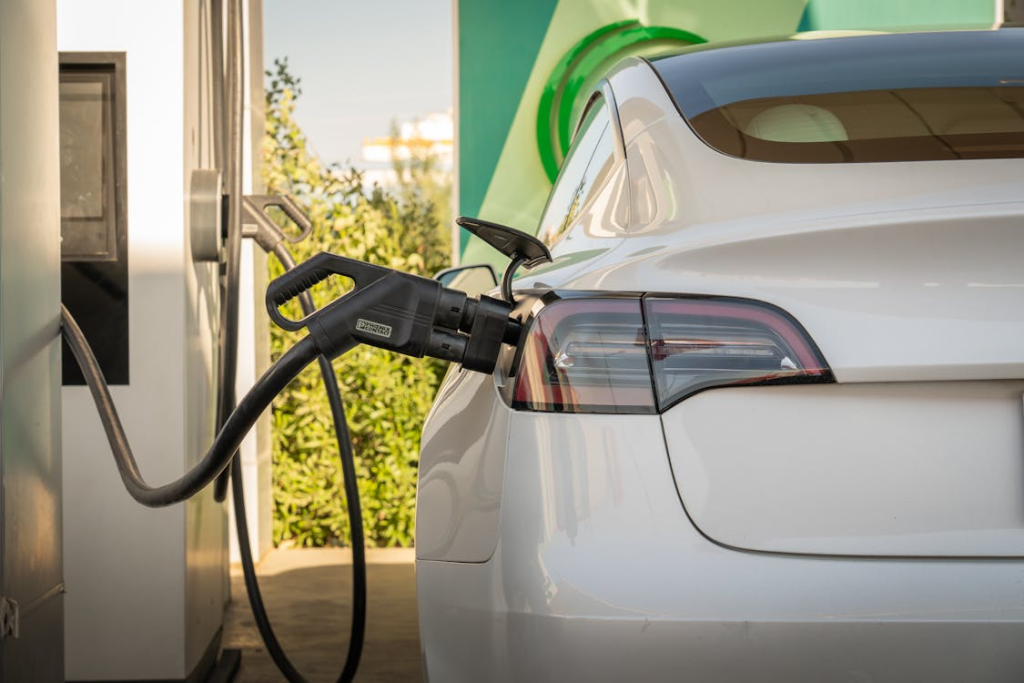
Electric vehicles (EVs) are no longer just a trend. They are quickly becoming a practical choice for everyday drivers. With rising fuel costs and growing concerns about the environment, more people are considering EVs as a smarter, long-term investment. To support this shift, governments have introduced various incentives, including tax credits and rebates, to make electric vehicles more affordable.
While many buyers are aware of upfront savings, such as purchase incentives, fewer understand the tax benefits that can come with financing an EV. This is where things can get a bit confusing. The rules around tax deductions, credits, and loan interest are not always straightforward, and they often depend on how the vehicle is used.
Understanding these details can make a big difference in your overall savings. If you’re planning to finance an electric vehicle, it’s important to know what benefits you may qualify for and how to take full advantage of them.
Understanding Tax Benefits on EV Financing
Contents
Before diving into specific incentives, it helps to understand the basics of how tax benefits work. In general, there are two main types: tax credits and tax deductions. A tax credit directly reduces the amount of tax you owe, while a tax deduction lowers your taxable income, which can indirectly reduce your tax bill.
When it comes to electric vehicles, most people focus on federal tax credits. However, financing an EV may also open the door to potential deductions, especially if the vehicle is used for business purposes. This is where many buyers miss out on opportunities simply because they don’t have the right information.
To better understand how these rules apply, look up EV auto loan tax deduction guide to learn how loan interest, vehicle usage, and eligibility factors can affect your tax savings. It also highlights situations where interest on an auto loan may be partially deductible, especially for self-employed individuals or those using their EV for work-related activities.
The key takeaway here is that not all EV owners qualify for the same benefits. Your eligibility depends on factors like how you use the vehicle and how your loan is structured. That’s why it’s important to understand the rules before making financial decisions.
Federal Tax Credits for Electric Vehicles
One of the biggest incentives for EV buyers is the federal tax credit. This credit can significantly reduce the overall cost of purchasing an electric vehicle. Depending on the model and your eligibility, the credit can be worth thousands of dollars.
However, not every EV qualifies for the full credit. Factors such as battery capacity, manufacturer limits, and your income level can affect how much you receive. In recent years, there have also been updates to these rules, making it even more important to stay informed.
It’s also worth noting that this credit is separate from your financing. While it doesn’t directly affect your loan payments, it does reduce the overall cost of owning the vehicle. This can make financing more manageable in the long run.
Understanding how federal tax credits work is an important first step in planning your EV purchase. When combined with other savings, they can make a noticeable difference in your total expenses.
When EV Loan Interest May Be Tax-Deductible
Many people assume that auto loan interest is never tax-deductible, but that’s not always true. In certain situations, you may be able to deduct a portion of the interest on your EV loan.
The most common scenario is when the vehicle is used for business purposes. If you are self-employed or use your EV for work, you may be able to deduct the interest as a business expense. The amount you can deduct usually depends on how much of the vehicle’s use is related to your business.
For example, if you use your EV 60% of the time for work, you may be able to deduct 60% of the loan interest. However, this requires proper documentation, including mileage logs and expense records.
It’s important to remember that personal use does not qualify for this deduction. If the vehicle is only used for daily commuting or personal errands, the interest on the loan is generally not deductible.
Because these rules can be complex, keeping accurate records and understanding the guidelines is essential. Even small mistakes can affect your ability to claim deductions.
State-Level Incentives and Additional Benefits
In addition to federal tax credits, many states offer their own incentives for EV buyers. These may include rebates, tax credits, lower registration costs, and even permission to use carpool lanes.
The availability and value of these benefits vary depending on where you live. Some states are more aggressive in promoting electric vehicle adoption, offering larger incentives and additional perks.
These state-level benefits can work alongside federal incentives to increase your overall savings. While they may not directly impact your loan, they can reduce the total cost of ownership.
It’s a good idea to check your state’s official website or consult a local expert to find out what incentives are available in your area. Taking advantage of these programs can make your EV purchase even more cost-effective.
Long-Term Financial Advantages of EV Financing
Financing an electric vehicle is not just about the upfront cost—it’s also about long-term savings. EVs are generally cheaper to operate than traditional gasoline vehicles. They require less maintenance, have fewer moving parts, and eliminate the need for fuel.
When you combine these savings with potential tax benefits, the overall financial picture becomes even more appealing. Lower operating costs can help offset your monthly loan payments, making EV ownership more affordable over time.
Additionally, as demand for electric vehicles continues to grow, their resale value may remain strong. This can be an important factor if you plan to upgrade or sell your vehicle in the future.
By looking at both short-term and long-term benefits, you can make a more informed decision about financing an EV.
Common Mistakes to Avoid
While there are many benefits to EV financing, there are also some common mistakes that buyers should avoid. One of the biggest is assuming that all EV-related expenses are tax-deductible. In reality, eligibility depends on specific conditions.
Another mistake is failing to separate personal and business use. Without clear records, it can be difficult to claim deductions accurately. Many people also overlook the importance of staying updated on tax laws, which can change over time.
Relying on outdated or incorrect information can lead to missed opportunities or even errors on your tax return. Taking the time to understand the rules can help you avoid these issues.
Electric vehicles offer more than just environmental benefits. They also provide financial advantages that many buyers overlook. From federal tax credits to potential loan interest deductions, there are several ways to reduce the overall cost of ownership.
However, these benefits are not always straightforward. Understanding how they work and whether you qualify is key to making the most of your investment. By planning ahead, keeping accurate records, and staying informed, you can take full advantage of what EV financing has to offer.