


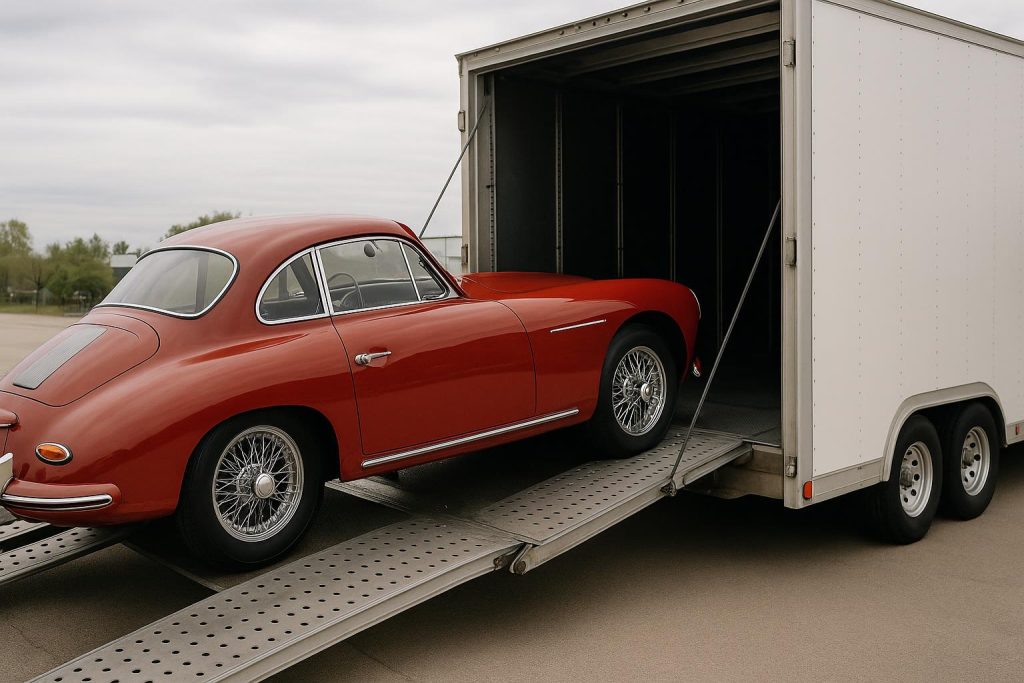
For owners of vintage automobiles, a car is rarely just a machine; it is a piece of history, a work of art, or a cherished family heirloom. When the time comes to move these high-value assets across the country, the primary concern is safety. Whether you are heading to a prestigious car show, relocating for the season, or completing a high-end purchase, enclosed auto transport stands out as the premier choice for those who prioritize maximum protection.
Shipping a classic vehicle requires a higher level of care than a standard daily driver. This guide explores why enclosed trailers are the industry standard for vintage car owners and how you can prepare for a seamless transport experience.
What is Enclosed Auto Transport and How It Works?
Contents
- What is Enclosed Auto Transport and How It Works?
- Key Benefits of Enclosed Transport for Classic Vehicles
- Step-by-Step Checklist: Preparing Your Classic Car
- Common Mistakes to Avoid
- What to Expect During Pickup and Delivery
- When Is Enclosed Transport Worth the Investment?
- Frequently Asked Questions
- Final Thoughts
Simply put, enclosed transport involves moving a vehicle in a fully covered trailer. Unlike open car transport, which leave vehicles exposed to the elements, enclosed units feature solid walls and a roof that create a mobile vault for your car.
There are two primary types of enclosed trailers:
- Soft-sided: Features heavy-duty canvas walls that offer great protection from the sun and road debris.
- Hard-sided: Constructed with solid metal walls, providing the highest level of security against weather, theft, and accidental impact.
Because these trailers have limited capacity—often carrying only one to six vehicles—they provide a more personalized level of service for luxury, exotic, and collector cars.
Key Benefits of Enclosed Transport for Classic Vehicles
Maximum Protection from Weather and Road Hazards
Classic cars often have original paint or delicate chrome that is susceptible to damage. Enclosed shipping shields your vehicle from rain, snow, UV rays, and road contaminants like salt or gravel. This prevents the rust risks and exterior wear that can occur during long-distance car transport.
Specialized Handling and Equipment
Vintage cars frequently have low ground clearance or fragile components. Enclosed car transport are typically equipped with hydraulic liftgates, which keep the vehicle perfectly level during the loading process. This eliminates the risk of "bottoming out" on steep ramps. Furthermore, transporters use soft nylon straps rather than metal chains to secure the car, protecting the chassis and suspension.
Higher Insurance Coverage
Because the cargo inside an enclosed trailer is significantly more valuable, these carriers typically carry much higher insurance limits than standard auto transport providers. This gives owners peace of mind knowing that their investment is fully protected against the unexpected.
Reduced Wear and Tear
Shipping your car ensures that no additional miles are added to the odometer. For a vintage vehicle, preserving low mileage is essential for maintaining market value. It also eliminates the mechanical stress of a long-distance drive, which can be hard on older engines and cooling systems.
Step-by-Step Checklist: Preparing Your Classic Car
- Clean and Inspect: Thoroughly wash the exterior. This isn't just for aesthetics; a clean car allows for a more accurate inspection of the paint and bodywork.
- Document Condition: Take high-resolution, timestamped photos from every angle. If there are pre-existing scratches or mechanical quirks, record them clearly.
- Remove Personal Items: Clear out the glove box and trunk. Personal belongings are not covered by transport insurance and can shift during transit.
- Check Mechanical Readiness: Ensure the battery is charged and tires are inflated. If the car is a "non-runner," you must disclose this upfront, as it requires special winch equipment for loading.
- Maintain Fuel Level: Keep the tank at approximately 1/4 full. This is enough for loading and unloading but keeps the total cost to ship a car lower by reducing unnecessary weight.
Common Mistakes to Avoid
Many owners attempt to save money by choosing open car transport, only to regret the decision when the vehicle arrives covered in road grime or chipped by pebbles. Another common error is skipping the documentation phase; without photos, it is difficult to prove a claim if damage occurs. Finally, always communicate any modifications, such as oversized tires or lowered suspensions, to your provider before the pickup date.
What to Expect During Pickup and Delivery
When your driver arrives, expect a professional walkaround. The driver will note the vehicle's condition on a document called the Bill of Lading (BOL). Once you both sign off, the vehicle is carefully loaded—often via liftgate—and secured.
During transit, your car remains shielded from the world. Most premium door to door services provide updates so you know exactly where your vintage beauty is. Upon delivery, you will perform a final inspection. If the car matches the BOL from the pickup, the process is complete.
When Is Enclosed Transport Worth the Investment?
While the upfront price is higher than standard car shipping, the value is found in risk mitigation. For a vehicle worth over $50,000, or any car with sentimental value that cannot be replaced, the cost of a potential paint repair or part replacement often far exceeds the premium paid for an enclosed trailer. For long-distance relocations, the increased exposure risk makes the protection of an enclosed unit nearly essential.
Frequently Asked Questions
Is my vehicle insured during transport? Yes, reputable carriers provide cargo insurance. Always ask for a copy of the insurance certificate before booking.
How much more does enclosed transport cost? Generally, you can expect to pay 30% to 50% more than you would for an open trailer due to the specialized equipment and lower trailer capacity.
Can I ship a non-running classic? Yes, but the carrier needs to know in advance so they can bring a winch or specialized loading tools.
Final Thoughts
Protecting a classic car is about more than just a shiny exterior; it’s about preserving the integrity of the vehicle. By choosing a reliable carrier and following a strict preparation routine, you ensure a risk-free experience. Investing in the right transport method today means your vintage car will be ready for the road—or the showroom floor—the moment it arrives.