


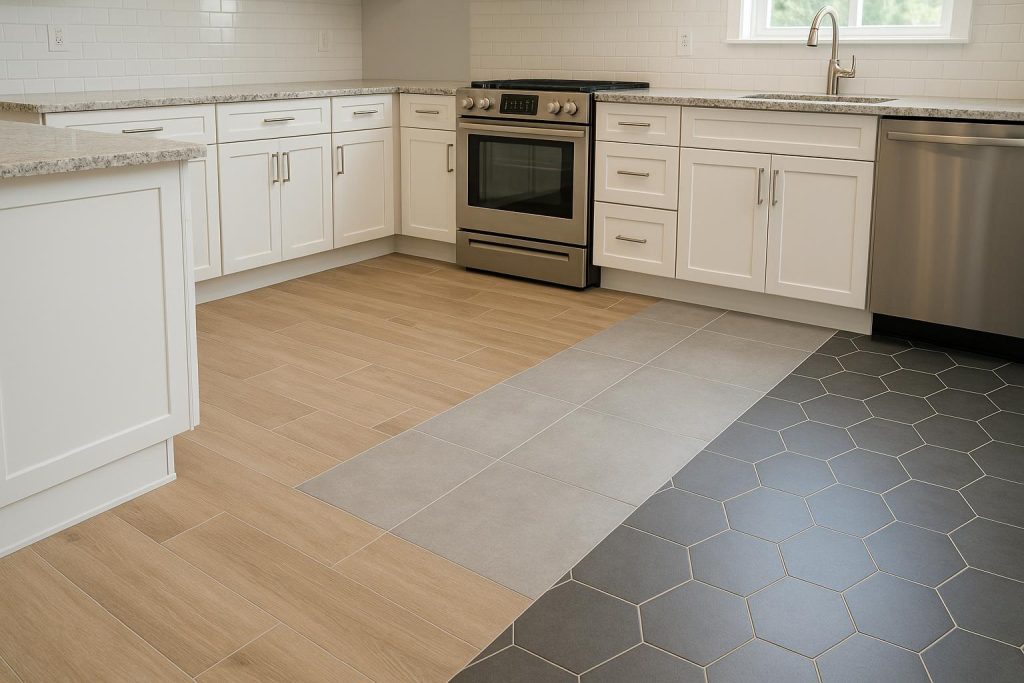
The kitchen is often called the heart of the home, and for good reason. It’s where meals are prepared, families gather, homework gets done, and conversations flow. With all this activity, your kitchen floor takes a serious beating. Choosing the right tile flooring means finding a balance between durability, style, and practicality. Let’s explore the best tile options that can handle whatever your busy kitchen throws at them.
Why Tile Makes Sense for Kitchen Floors
Contents
Before diving into specific tile types, it’s worth understanding why tile is such a popular kitchen flooring choice. Tile is naturally water-resistant, making it ideal for a room where spills are inevitable. It’s also highly durable when properly installed, capable of lasting decades even with heavy use. Unlike hardwood, tile won’t warp from water exposure, and unlike vinyl, it won’t tear or gouge from dropped knives or pots.
Tile is also incredibly hygienic. It doesn’t harbor bacteria, allergens, or odors the way carpet can, and its non-porous surface (especially when glazed) wipes clean easily. For families with allergies or anyone who values a truly clean home, these qualities are invaluable.
When exploring your options,FLOOR360 offers a comprehensive selection of kitchen-appropriate tile flooring that combines durability with beautiful design, helping you find the perfect match for your space.
Porcelain Tile: The Kitchen Champion
If you’re looking for the single best tile option for a high-traffic kitchen, porcelain is hard to beat. Made from refined clay fired at extremely high temperatures, porcelain is denser and harder than ceramic, making it exceptionally resistant to chips, scratches, and stains.
Porcelain’s low water absorption rate (less than 0.5%) means spilled water, dropped ice cubes, and splashing from the sink won’t damage your floor. This quality also makes it resistant to staining from coffee, wine, tomato sauce, and other kitchen culprits.
Modern porcelain tiles come in an astounding variety of styles. Wood-look porcelain offers the warmth and beauty of hardwood without the water damage concerns. Stone-look porcelain mimics marble, slate, or travertine at a fraction of the cost and maintenance. You can even find concrete-look porcelain for an industrial aesthetic or glossy porcelain for a sleek, contemporary feel.
For busy kitchens, consider porcelain with a textured or matte finish rather than high-gloss. These finishes offer better slip resistance when wet and hide minor scratches and scuffs better than shiny surfaces.
Ceramic Tile: Budget-Friendly and Reliable
If porcelain exceeds your budget, ceramic tile is still an excellent choice for kitchen floors. While not quite as hard or water-resistant as porcelain, quality ceramic tile performs beautifully in kitchens and costs significantly less.
Look for glazed ceramic tiles rated for floor use. The glaze provides a protective layer that resists moisture and staining. Avoid unglazed ceramic in kitchens, as it’s more porous and requires sealing.
Ceramic works particularly well in kitchens with moderate to heavy traffic. If you’re not dealing with commercial-level activity or have concerns about extreme durability, ceramic offers outstanding value. It’s also easier to cut and install than porcelain, which can save on installation costs if you’re hiring professionals or tackling the project yourself.
Natural Stone: Beauty with a Maintenance Trade-off
Natural stone tiles like slate, travertine, and granite bring unmatched natural beauty to kitchens. Each tile is unique, creating a one-of-a-kind floor that adds character and value to your home. Stone tiles are also incredibly durable and can last a lifetime with proper care.
However, natural stone requires more maintenance than porcelain or ceramic. Most stone tiles need regular sealing to prevent staining and moisture absorption. Slate offers better natural stain resistance than lighter stones like limestone or travertine, making it a better choice for busy kitchens.
If you love the look of natural stone but want easier maintenance, consider stone-look porcelain instead. Modern manufacturing techniques create incredibly realistic stone lookalikes that capture the beauty without the upkeep.
Size and Layout Considerations
Tile size impacts both aesthetics and practicality in kitchens. Large-format tiles (12×24 inches or bigger) create a more seamless look with fewer grout lines, making cleaning easier and spaces feel larger. They’re an excellent choice for open-concept kitchens or smaller spaces you want to visually expand.
Standard-size tiles (12×12 inches) offer a classic look and are easier to work with around kitchen cabinets, islands, and appliances. Smaller tiles like subway (3×6 inches) or hexagons can add visual interest but mean more grout lines to clean.
Consider the layout pattern as well. Straight lay is classic and timeless. Diagonal patterns can make rooms feel larger. Herringbone or chevron patterns add sophistication but typically cost more for installation due to increased complexity and material waste.
Texture and Slip Resistance
Kitchen floors can get wet and slippery, so slip resistance is crucial for safety. Textured tiles or those with matte finishes offer better traction than glossy, smooth tiles. Many manufacturers rate their tiles for slip resistance—look for a coefficient of friction (COF) rating of 0.42 or higher for dry areas and 0.60 or higher for wet areas.
That said, texture also means more surface area for dirt and grime to accumulate. Find a balance between safety and cleanability. Lightly textured tiles often provide adequate slip resistance while remaining relatively easy to clean.
Color and Style Selection
Dark tiles hide dirt and spills better than light tiles but show dust and scratches more readily. Light tiles create a bright, airy feel and make kitchens feel larger, but require more frequent cleaning to look their best. Mid-tone grays and beiges offer a practical middle ground.
Consider your grout color carefully. Light grout shows stains more easily, while dark grout can make light tiles feel busy. Many homeowners opt for grout that closely matches their tile color to create a more seamless look and minimize the visual impact of inevitable grout discoloration.
The Bottom Line
For most high-traffic kitchens, porcelain tile offers the best combination of durability, style, and practicality. It handles spills, heavy foot traffic, and daily wear without breaking a sweat. Ceramic is a solid budget-friendly alternative that performs well in most residential kitchens. Natural stone brings unique beauty but requires more maintenance commitment.
Whatever tile you choose, invest in professional installation with proper waterproofing and substrate preparation. Even the best tile will fail if not installed correctly. With the right tile and proper installation, your kitchen floor will look beautiful and perform flawlessly for decades to come.