


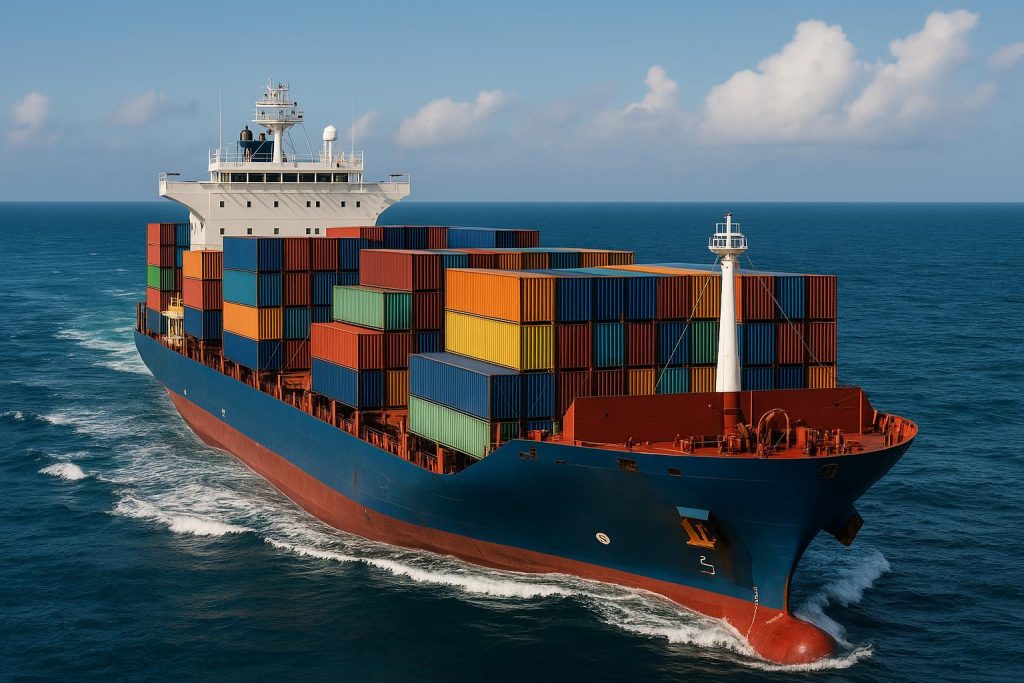
When businesses move goods across cities or countries, protecting those shipments becomes a priority. That is where marine cargo insurance comes in. It helps cover losses that may occur while goods are in transit, whether by sea, road, rail or air. However, the cost of this insurance is not fixed. Premiums can vary widely depending on several factors linked to the nature of the cargo, the route and how the shipment is handled.
Factors That Affect the Premium Cost of Marine Cargo Insurance
Contents
Nature of Goods Transported
The type of goods being shipped plays a big role in determining the premium. Fragile items like glassware or electronics are more likely to get damaged, which increases the risk for insurers. Perishable goods, such as food or pharmaceuticals, come with their own challenges due to limited shelf life.
Under transit insurance, high-value cargo like machinery or luxury goods may also attract higher premiums because the potential loss amount is greater. On the other hand, durable goods with lower risk profiles may cost less to insure.
Packaging and Handling
The way goods are packed and handled can affect insurance costs. Good-quality packaging lowers the chances of damage, especially when shipments are moved multiple times. On the other hand, if the packaging is poor, insurers may charge a higher premium or limit the coverage. Clear labelling and handling instructions also help reduce risk.
Route and Destination
The route taken by the shipment matters more than many businesses expect. Transporting goods through regions prone to extreme weather, political instability or piracy can increase the premium.
Similarly, longer routes or multiple stopovers may raise the chances of delays, damage or loss. Insurers factor in these variables while calculating the overall risk.
Coverage Type and Policy Terms
The kind of coverage selected also influences the cost. Policies that cover a wider range of risks will naturally come at a higher premium compared to those with limited coverage.
Add-ons or extensions, such as protection during storage or coverage for specific risks, can further increase the premium cost. It is important to strike a balance between comprehensive coverage and affordability.
Some insurers, including TATA AIG, offer flexible policies that allow businesses to customise coverage based on their specific needs.
Past Claims History and Business Profile
Insurers often look at a company’s past claims record before deciding the premium. Frequent claims may signal a higher risk, which can lead to increased costs.
The nature of the business also matters. Companies dealing with high-risk goods or operating in challenging environments may be charged more compared to those with stable and predictable shipping patterns.
Sum Insured and Valuation Method
The total value of the goods being insured directly affects the premium. Higher-value shipments will naturally cost more to cover.
The method used to calculate this value, whether based on invoice value, market value or a combination, can also influence the final premium amount.
Conclusion
Marine cargo insurance premiums are shaped by multiple factors, from the type of goods being shipped to the route and coverage chosen. Understanding these elements can help businesses make better decisions when selecting a policy. With the right approach, it is possible to balance cost and coverage while ensuring shipments remain protected throughout their journey.