


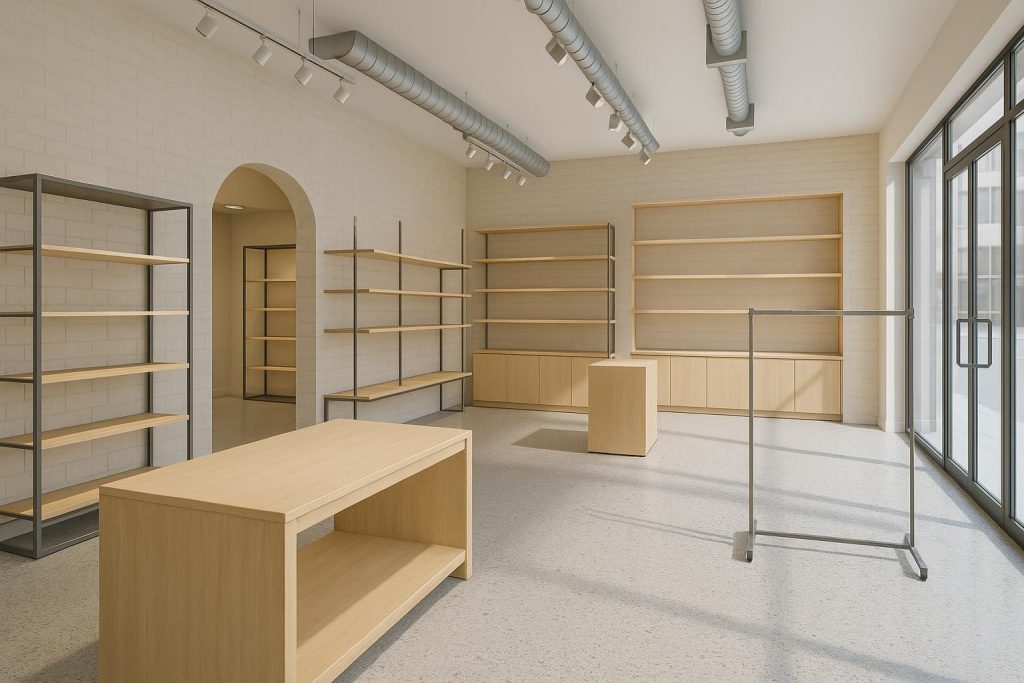
Brand expansion requires premises that can respond to changing commercial priorities. A strong retail setting should support customer movement while giving teams room to refresh displays during seasonal cycles. Property decisions also influence trading patterns as a company grows. A thoughtful approach can connect present requirements with future plans while preserving brand consistency across different stages of development through opportunities associated with MAPIC.
Property Formats Support Growth
Contents
Different property formats can suit different stages of brand development. A growing company may begin with a compact unit before moving toward a larger destination that supports broader customer activity. The right format should reflect expected demand rather than simply provide additional floor area.
Expansion can also involve changing the role of a premises. A location may begin with core merchandise before gaining specialist sections or broader presentation areas. This requires sufficient room for future adjustments without making the initial space unnecessarily large.
Footfall Guides Property Decisions
Customer volume can influence the type of premises a company requires. Busy locations need space that supports smooth movement through entrance areas. Popular sections may require wider access while checkout areas need sufficient room during peak periods.
- Entrance placement can influence initial movement through the premises.
- Wider routes can support browsing during periods of higher footfall.
- Visible displays can direct attention toward important merchandise sections.
- Queue areas should preserve access to nearby customer zones.
- Department placement can encourage movement across the full premises.
Seasonal Changes Influence Space
Seasonal merchandising can change the amount of presentation area required throughout the year. Promotional periods may call for larger displays while quieter cycles may require a more open arrangement. Properties that support these changes can help brands maintain a fresh presentation without repeated structural work.
Multi-Location Brands Need Consistency
Companies operating across several locations face a different set of planning requirements. Each property may have its own size and shape. Customer movement can also vary according to surrounding activity. Yet the brand still needs a recognisable identity across its wider presence.
Shared design principles can provide consistency without requiring identical layouts. One location may support a broader presentation while another may need a more focused arrangement. The underlying visual direction can remain consistent even when physical conditions differ.
For expanding companies, commercial property opportunities connected with MAPIC can provide useful context when planning changing property requirements. Portfolio planning becomes stronger when each location serves a clear purpose within the wider growth strategy.
Leasing Terms Shape Expansion
Property agreements can affect how easily a company responds to future growth. A business may need additional space after establishing stronger customer demand. Suitable terms can provide greater freedom when requirements change during the occupancy period.
- Renewal provisions can support continuity during established trading periods.
- Expansion options may provide additional room for future requirements.
- Alteration terms can simplify approved changes within occupied premises.
- Occupancy conditions can support clearer long-term planning.
- Space provisions may help accommodate developing business requirements.
Reviewing these details early can connect property agreements with broader expansion objectives. This creates greater clarity when companies plan their next stage of development.
Departments Change Operational Needs
Adding new categories can alter how a premises functions. A broader assortment may require additional staff near particular sections. Fitting areas may need more capacity when apparel becomes a larger part of the offering. Checkout placement can also require review when transaction activity increases.
Strong expansion planning connects property choices with changing commercial needs. The most suitable premises should support customer activity while leaving room for seasonal changes and operational growth. For companies managing several locations, consistency should work alongside local requirements rather than restrict them. A property strategy built around these principles can help brands develop a stronger presence while keeping future decisions open and practical.
FAQ
How can property formats support different stages of brand expansion?
Suitable formats can provide room for growth without excess initial space.
Why should footfall influence decisions about commercial property?
Footfall affects movement routes and space needed during busy periods.
How do leasing terms support future expansion requirements?
Suitable terms can provide options when additional space becomes necessary.