


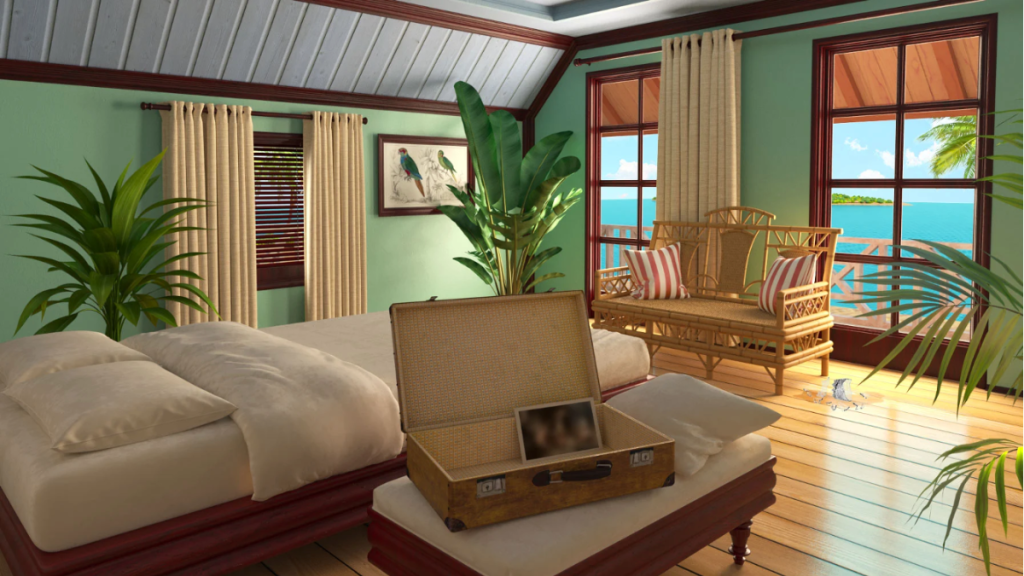
Hidden object games have long fascinated players with their combination of challenge, story, and atmosphere. At the heart of their charm lies the visual design that makes every scene both a puzzle and a piece of art. Professional hidden object art plays a crucial role in shaping the experience, transforming simple mechanics into immersive adventures. Behind each mysterious room, cluttered desk, or enchanted forest is a carefully crafted illustration that captivates the eye and tests the player’s perception.
The Foundations of Hidden Object Art
Contents
The core of hidden object art lies in its ability to blend aesthetics with function. Each illustration must look beautiful, yet it must also serve as an interactive challenge. Designers and artists work meticulously to balance clarity and complexity, ensuring players feel both immersed and engaged.
Visual Storytelling Through Detail
Every hidden object scene is more than just a background — it tells a story. A Victorian parlor with scattered books hints at forgotten secrets, while a cluttered attic may conceal traces of history. The placement of objects is not random but narrative-driven, guiding players through the larger plot.
Balancing Challenge and Fairness
A well-designed scene hides objects cleverly but avoids frustrating the player. Skilled artists use color palettes, lighting, and perspective to blend items naturally into the environment while maintaining fairness. This delicate balance separates quality hidden object art from amateur attempts.
The Role of Atmosphere
Beyond functionality, hidden object art creates mood. Dark, shadowy environments can evoke mystery, while bright, colorful ones bring out whimsy and fantasy. This atmosphere is what pulls players deeper into the game’s world.
Evolution of Hidden Object Art in Gaming
Hidden object art has evolved alongside the genre itself, adapting to new technologies and player expectations. From hand-drawn illustrations on early PCs to fully interactive digital worlds, its development reflects broader changes in the gaming industry.
Hand-Painted Origins
In the 1990s, most hidden object scenes were hand-painted, giving them a unique charm. Artists leaned on traditional illustration techniques, often inspired by storybook aesthetics. These images, while static, laid the foundation for the genre.
The Digital Transformation
As gaming shifted to digital, hidden object art became more sophisticated. Tools like Photoshop and 3D modeling software allowed for greater depth, realism, and experimentation. Scenes grew larger and more intricate, offering players richer challenges.
Mobile and Beyond
With the rise of mobile platforms, hidden object art had to adapt again. Artists optimized visuals for smaller screens while maintaining detail. Today, some titles experiment with animated environments, dynamic lighting, and even AR integration.
Artistic Techniques Used in Hidden Object Design
Creating hidden object art is an intricate process that combines technical skill and artistic intuition. Each choice — from perspective to texture — affects the player’s experience.
Composition and Object Placement
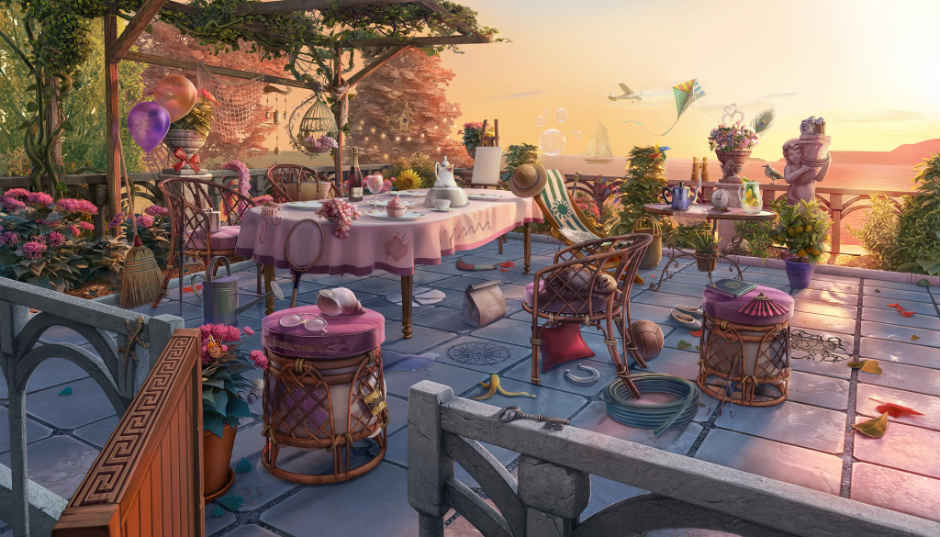
Composition determines how the player’s eyes move across the scene. Artists use clutter strategically, placing objects in ways that challenge perception without overwhelming it. Clever positioning ensures that the hunt feels rewarding.
Use of Color and Light
Color and light play critical roles in how easily objects are found. A shadow can conceal a key item, while a bright highlight can guide attention to a narrative clue. These techniques keep players engaged without feeling manipulated.
Layering and Texture
To achieve depth, artists layer objects and textures, giving scenes a three-dimensional feel. This makes environments more immersive, while also offering new opportunities for object concealment.
The Psychological Appeal of Hidden Object Art
Why do players find hidden object games so addictive? Much of it comes down to how the artwork interacts with the human brain.
Satisfaction of Discovery
Locating a hidden object provides instant gratification. This sense of reward, reinforced by visual cues, keeps players motivated. The artwork fuels this cycle by making objects both challenging and possible to find.
Training Focus and Attention
Hidden object art sharpens concentration. Players learn to filter out distractions and focus on small details, a skill that transfers beyond gaming. The complexity of the art makes this mental exercise both fun and engaging.
Emotional Connection
Art creates atmosphere, and atmosphere creates emotion. Players may feel tension in a dimly lit crime scene or comfort in a cozy cabin. This emotional response deepens immersion and strengthens the bond with the game.
Notable Styles and Trends in Hidden Object Art
While the basic principles remain the same, hidden object art continues to evolve stylistically, influenced by cultural trends and technological innovation.
Classic Realism
Many early games leaned toward realistic depictions of everyday settings — kitchens, offices, libraries. This grounded approach appealed to players’ familiarity with the world around them.
Fantasy and Whimsy
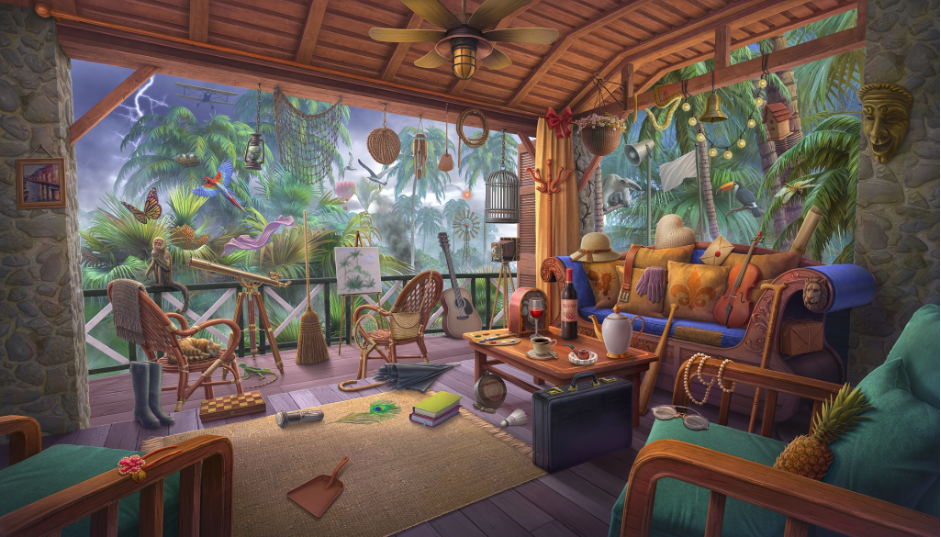
As the genre grew, fantasy themes became more prominent. Magical forests, enchanted castles, and surreal dreamscapes provided artists with opportunities to push creativity and visual storytelling.
Modern Innovations
Contemporary hidden object art blends styles, mixing realism with stylization. Some projects integrate comic-inspired visuals, while others lean on photorealism enhanced with digital effects. Animation and interactivity are becoming more common, signaling the future of the genre.
The Future of Hidden Object Art
With technology advancing rapidly, hidden object art stands at the brink of exciting new possibilities.
Virtual and Augmented Reality
VR and AR will transform hidden object art into immersive worlds where players can physically explore and interact with objects. This shift demands entirely new approaches to scene design.
AI-Assisted Artwork
Artificial intelligence tools are beginning to assist artists by generating variations, suggesting color schemes, and automating repetitive tasks. While not a replacement for human creativity, AI will speed up workflows.
Expanding Global Influence
As hidden object games reach new audiences worldwide, cultural diversity will influence art styles. Artists will experiment with new motifs, settings, and aesthetics, enriching the genre with fresh perspectives.
The Enduring Power of Hidden Object Art
Hidden object art is far more than decoration — it is the very soul of the genre. It guides players, shapes emotions, and transforms simple puzzles into immersive experiences. From hand-painted beginnings to digitally enhanced masterpieces, this art form continues to evolve while maintaining its core charm. Its future promises even greater creativity as technology expands the boundaries of what’s possible.