


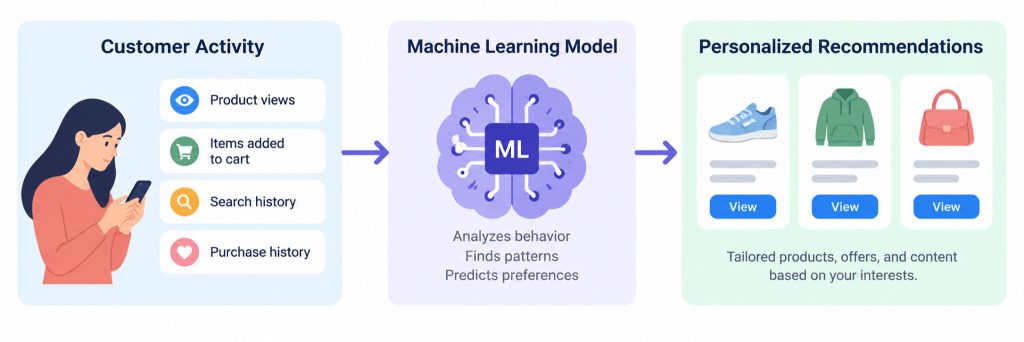
Retail technology is reshaping how customers discover products, compare options, complete purchases, and interact with brands. Machine learning is accelerating that shift by helping retailers personalize experiences, predict demand, and reduce friction across digital and physical touchpoints.
This article explores how advanced retail technology supports the customer experience through mobile apps, supply chain optimization, augmented reality, and predictive analytics.
For retailers, the opportunity goes beyond simply adopting new digital tools. The real value comes from using technology to make shopping easier, more relevant, and more responsive at every stage of the customer journey.
Machine learning can help retailers interpret customer behavior, anticipate demand, improve fulfillment, and personalize interactions at scale. When these capabilities work together, retailers can reduce common friction points while creating a more consistent experience across online and physical channels.
What is Retail Technology?
Contents
Retail technology, also known as retail tech, refers to the extensive use of technology in the retail industry to optimize and enhance various aspects of the retail experience.
From mobile apps and augmented reality to advanced analytics and contactless payments, retail technology uses digital transformation to meet consumers’ evolving demands.
AI is already influencing how people shop. A 2026 IBM-NRF study found that 45% of consumers turn to AI for help during their buying journeys.
The strongest retail technology strategies connect customer data, inventory management, and digital and in-store operations into a consistent omnichannel experience.
Retail technology works best when individual tools connect rather than operate in isolation. A mobile app may capture browsing behavior, an inventory system may show what is available, and analytics tools may identify demand patterns. When these systems share relevant data, retailers can respond more consistently across channels.
A customer might see a product online, check availability at a nearby store, and receive an updated recommendation based on what they viewed or purchased.
That continuity helps reduce friction and makes the experience feel more connected, whether the shopper starts on a phone, a website, or in a physical store.
Here are a few simple ways retail technology can help:
- Improve customer experiences through personalized offerings.
- Drive business growth through seamless shopping experiences.
- Streamline operations and supply chain management.
In short, retail technology can improve efficiency, reduce costs, and help retailers capture new market opportunities across different niches.
Types of Retail Technology Transforming the Customer Experience
How does one capture the breadth of retail technology? It’s an umbrella term for an array of tools that sharpen customer service, fine-tune operations, and fuel business expansion in retail.
Have you considered the seismic shift in the shopping experience brought about by mobile apps, virtual try-ons, predictive analytics, and streamlined supply chain management? The change is profound and far-reaching.
Without further ado, let’s explore the prime movers in retail technology that tap into the power of machine learning and are actively reinventing the customer experience as we know it.
Mobile Apps
Think about it. Mobile apps have changed the shopping game forever. They’ve created a world where customers can:
- Explore a wide variety of products at their fingertips
- Complete purchases from anywhere at any time
- Compare prices
- Read reviews
The simplicity and convenience of mobile shopping and seamless payments can boost customer satisfaction and loyalty. In other words, mobile apps are your lifeline — an indispensable part of your strategy to stay competitive and align with consumer expectations.
But where does machine learning come into play? It powers everything from chatbots and virtual assistants to voice search and targeted promotions. The best part? Everything’s accessible through a few taps on a smartphone.
Machine learning makes these apps more useful by learning from repeated customer interactions. Instead of showing every shopper the same products or promotions, a retailer can use signals such as browsing history, previous purchases, saved items, and search behavior to adjust what appears in the app.
The goal isn’t simply to show more recommendations, but to make them more relevant. When customers can find suitable products faster, the app becomes a practical part of the shopping journey, not just another sales channel.
Consider a mobile app as an extension of your brand, a digital business card, if you will. Everything your customers need or want to know about your products or business is right where and when they want it. No fuss, no muss.
Retail apps also need to feel natural in each market. Tapscape’s guide to localized shopping apps shows how language, pricing, payment methods, and interface conventions can influence the buying experience.
Supply Chain Management Solutions
Why should you invest in supply chain management solutions?
The answer is twofold:
- Improve operational efficiency and gain greater supply chain visibility.
- Streamline operations, optimize inventory, and reduce costs while maintaining seamless customer service.
Machine learning can support retail logistics by analyzing traffic, delivery windows, order volumes, and historical route data. These models can improve route planning, estimate arrival times, and help teams identify likely delays before they affect customers.
This becomes especially important in last-mile logistics, where route optimization, real-time updates, and data analytics can improve delivery visibility and responsiveness.

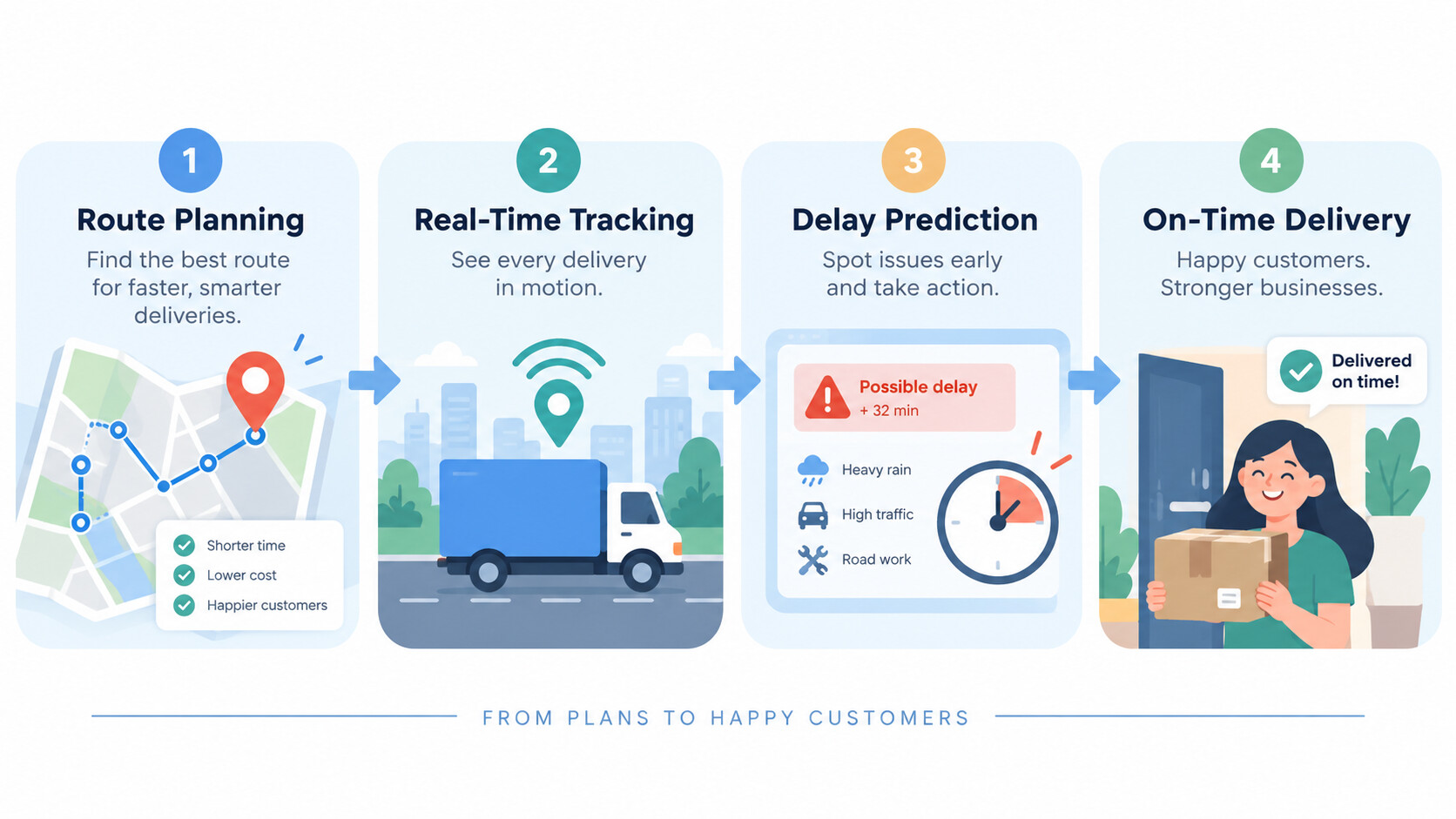
The customer experience is shaped as much by what happens after checkout as by what happens before it. A retailer may offer an easy ordering process, but delays, inaccurate delivery estimates, or poor order visibility can quickly undermine that experience. Machine learning can help logistics teams compare current conditions with historical patterns and flag potential disruptions earlier.
That gives retailers more time to adjust routes, update delivery estimates, or communicate changes to customers. Even when a delay cannot be avoided, timely information can make the fulfillment process more transparent and predictable.
Faster, more predictable delivery can reduce friction at a key point in the customer journey.
Augmented Reality (AR) Solutions
Augmented reality is no longer a buzzword—it’s a pivotal technology transforming how consumers engage with products and research during the buying process.
So how does implementing this new technology boost your engagement rates? What if shopping could be more than a task and become an experience?
Tapscape’s recent look at Kivicube AR shows how retailers can use augmented reality for product visualization, virtual try-ons, and interactive packaging. These experiences give shoppers another way to evaluate products digitally before making a purchase.
Imagine a world where:
- Interactive displays enable product exploration and direct ordering.
- Smart fitting rooms offer personalized suggestions.
- Virtual try-ons allow visualization of products.

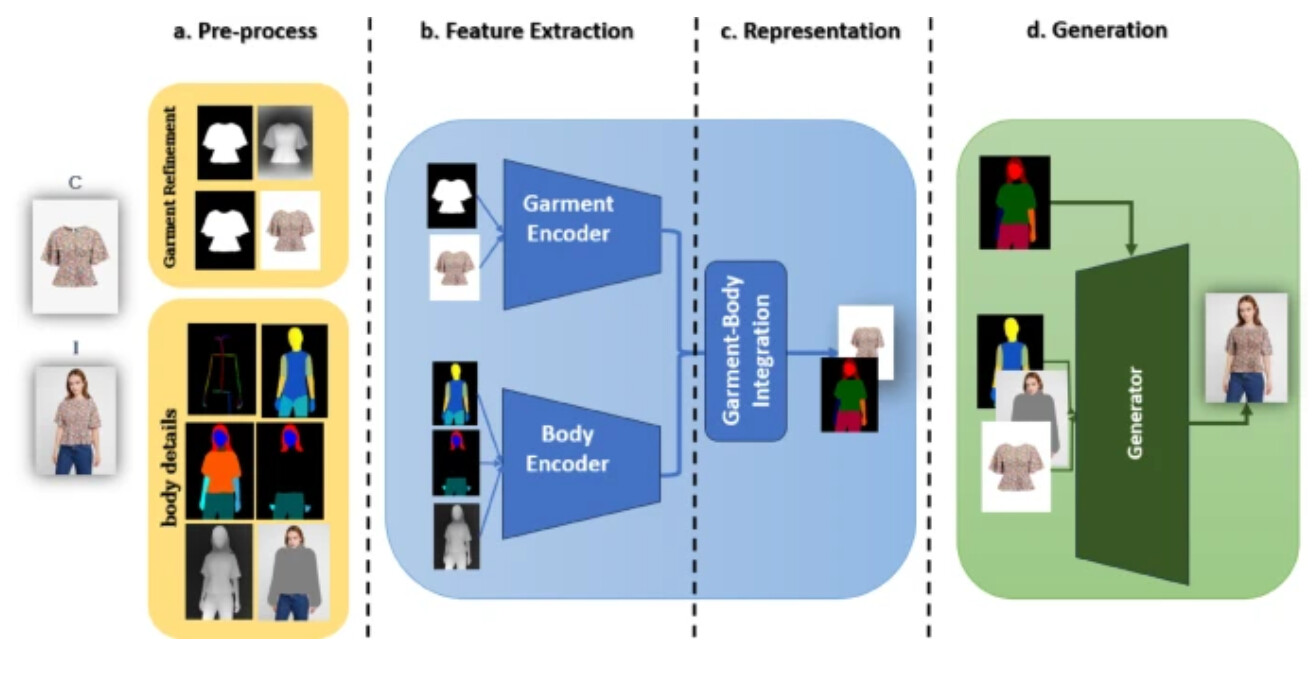
AR is especially useful when customers need more context than a standard product photo can provide. Size, placement, proportion, and appearance can be difficult to judge on a flat screen, particularly for furniture, apparel, and other products where fit or scale matters.
By placing a digital representation of the product into the shopper’s environment, retailers can give customers another way to evaluate their options before purchasing.
The experience does not replace product details or accurate measurements, but it can make online research more interactive and help shoppers compare choices with greater confidence.
Potential benefits include more immersive product exploration and additional insights into customer behavior. AR can be especially helpful for larger purchases, such as a reclining sofa, where shoppers may want to assess scale, placement, and design before ordering.
Predictive Analytics Solutions
Predictive analytics and machine learning go together like peanut butter and jelly.
By analyzing historical patterns, these advanced algorithms can forecast future trends. In other words, predict the future in a way that feels like magic.
Reliable customer data also makes these models more useful. Tapscape’s guide to retail customer data platforms explains how unified customer profiles can support more consistent personalization across channels.

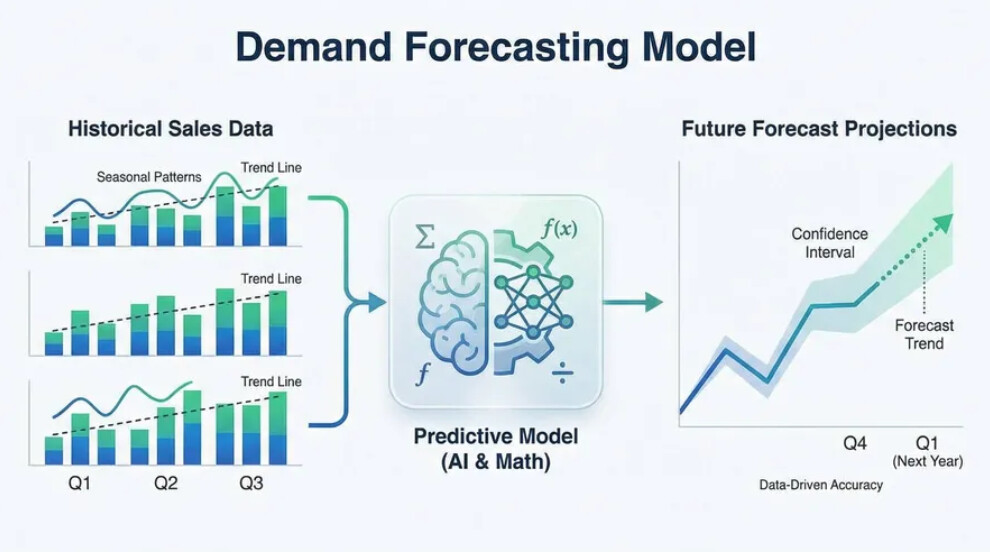
The result? Make efficient, accurate decisions throughout the supply chain and buyer’s journey. Here are a few simple applications:
- Demand forecasting for inventory management
- Personalized product recommendations
- Quality control measures
- Logistics optimization
Data-driven personalization is also used beyond retail. In accounting CPE, for example, technology can help match professionals with learning experiences based on their needs and requirements.
Within retail, one major benefit of predictive analytics is demand forecasting. Retailers can analyze historical sales data, customer preferences, and market trends to estimate future demand. This is particularly useful for seasonal categories. For example, back-to-school retailers can use forecasts to determine when to stock school supplies in bulk, helping them meet peak demand without carrying excess inventory after the season ends.
Forecasting can also help retailers reduce stockouts and overstocks by aligning inventory more closely with expected demand. Once those patterns are clear, the same data can support more targeted incentives based on customer behavior. Retailers might use discounts, loyalty rewards, or offers delivered through a gift card API to encourage purchase completion without relying on broad, one-size-fits-all promotions.
It’s game-changing. Nothing is more frustrating than trying to buy your favorite pair of sunglasses before summer, only to find them sold out everywhere.
The Power of Retail Technology
Retail technology is most valuable when it removes friction from everyday shopping. Machine learning can support personalized mobile experiences, more responsive supply chains, AR product visualization, and more accurate demand forecasts.
For retailers, the goal is not to adopt every new tool at once. It is to use technology that solves a clear customer or operational problem and measure whether it improves the experience.
The strongest results come from matching the technology to a specific point of friction. A retailer facing stockouts may prioritize forecasting, while one dealing with delivery complaints may focus on logistics analytics and tracking.
The same principle applies to personalization and AR: each tool should solve a clear customer or operational problem.
For more insights on how emerging technology is changing business and consumer experiences, explore the latest technology coverage on Tapscape.