


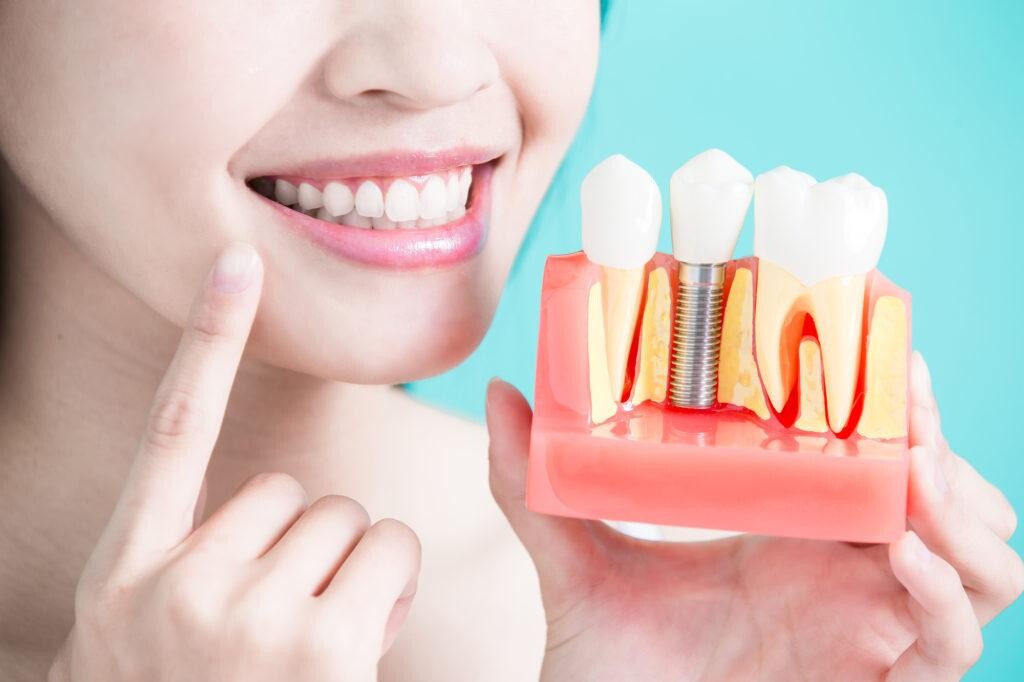
However, most people only become conscious about their dental health when there is an issue that causes them pain. The reality is that your teeth and gums are always reacting to your dietary and lifestyle habits long before you feel any discomfort or notice a problem in your mouth.
This article looks at the relationship between oral health and diet and lifestyle, and some of the ways people can improve their dental health through everyday habits. At Springfield Dental, we regularly see patients who are surprised to learn that the food choices and routines have been shaping their oral health long before any symptoms appeared — which is exactly why understanding this connection matters.
What You Eat and Drink Matters More Than You Might Think
Contents
It’s Frequency, Not Just Quantity
Oral bacteria feed on sugar and starches, producing acids that slowly wear down tooth enamel. It is worth noting that dental practitioners, including the team at Moorooka Dental Care, frequently stress that frequency of intake of sweets is as important as quantity. Snacking on sugary treats throughout the day maintains an environment of almost continuous acid production in the mouth, allowing little time for the enamel to replenish itself.
Acidic Foods Can Soften Enamel Temporarily
Acidic foods like citrus fruits, soda drinks, and sports drinks cause the enamel to be soft for some time after ingestion. A simple practice that can be adopted is rinsing the mouth with water without brushing teeth straight away.
Nutrition That May Support Stronger Teeth and Gums
Foods high in calcium, phosphorus, and vitamin D have been known to be beneficial to the health of one’s teeth and jaw bones. The foods include dairy products, leafy vegetables, nuts, and oily fish. Another vital nutrient is vitamin C, which is needed in the gums. Studies have shown that poor dietary intake of fruits is linked to problems with the gums.
Don’t Underestimate Hydration
There is quite a lot that saliva does without us being aware, neutralising acids, clearing off food particles, and balancing the environment inside our mouths. It is very important to drink plenty of water during the day to keep saliva production at optimal levels.
Lifestyle Habits That Influence Oral Health
Smoking and Tobacco
Tobacco consumption continues to be one of the most established risk factors for gingival disease and stained teeth. Quitting or reducing the use of tobacco is viewed as one of the most effective things that a person can do, both for their oral health and for their overall health. Consulting with your doctor or dentist will help in quitting.
Alcohol
Excessive drinking of alcohol may result in dryness of the mouth and, in the long run, has been known to increase the chances of having oral problems. Moderation along with good oral hygiene has always been the way to go.
Stress, Clenching, and Grinding
Stress is not always where you would expect it it could manifest itself in the form of bruxism. This is clenching of the jaw muscles and/or grinding of the teeth, usually during the night. Bruxism left untreated will weaken the tooth enamel and cause pain and discomfort in the jaw joints or even tension headaches.
Sleep and Overall Wellbeing
It is being realised more and more that the lack of good sleep affects the immune system and, through that, the capacity to control gum inflammation. In addition to good nutrition, good sleep is one of the supporting factors for good oral health.
Simple Habits That Add Up Over Time
- Brush twice daily using a fluoride toothpaste
- Clean between teeth daily with floss or interdental brushes
- Reduce how often you consume sugary or acidic foods and drinks
- Stay hydrated throughout the day
- Steer clear of tobacco products
- Keep up with regular dental check-ups so changes can be caught early
None of these habits work in isolation; it’s the combination of consistent oral hygiene, thoughtful eating patterns, and lifestyle factors like sleep and stress management that shape your long-term oral health. As the team at Kedron Family Dental often reminds patients, small, sustainable changes across these areas tend to make a far bigger difference than any single fix.
Not Sure Where to Start? Talk to a dentist.
It is important to note that every mouth reacts differently to one’s diet and lifestyle choices based on their unique history, genetic makeup, and current medical condition. Should one notice sensitivity, bleeding gums, chronic bad breath, or jaw pain, then it would be advisable for the issue to be investigated by a dentist rather than waiting for it to heal by itself.
These clinics provide regular dental check-ups, hygiene visits, and expert advice that will allow individuals to find out how their personal diet and lifestyle choices affect their oral health.
Should one want to get advice on this matter and/or have not visited a dentist recently, then one should contact the nearest dental clinic and schedule an appointment.