How Drivers Are Quietly Rethinking Shade When Stopping on the Road
Maya Gul
On a hot afternoon in Singapore, the kind of heat that doesn’t just sit in the air but reflects back from every surface, a parked vehicle can feel less like transport and more like a sealed container. You don’t really notice it when you’re moving. But the moment you stop—even for a few minutes—the car becomes something else entirely.
That shift is what most drivers only start to think about after a few longer trips. It is not the driving itself, but the pause.
A short stop along the East Coast Park stretch makes this obvious. A small group had pulled over for what was supposed to be a quick break—just water, maybe a snack, maybe five minutes to reset before continuing. The car was parked facing an open space, with no buildings nearby and no natural shade. Within moments, the seats became uncomfortable to touch, and even standing beside the vehicle felt like staying inside an invisible oven door left slightly open.
Nobody talked about it at first. People usually don’t. They just adjust their position, move around the car, and try to find whatever shadow is available. But there wasn’t much of it.
That’s usually when the real problem reveals itself—not the travel, but the lack of usable space around the vehicle once you stop.
In most cases, people have learned to improvise. A foldable umbrella leaned against a door. A quick pop-up tent that takes longer to set up than the stop itself lasts. Sometimes, they just stay inside the air-conditioned car, even when the whole point is to take a break from sitting.
The frustration isn’t dramatic, but it’s repetitive. And over time, it changes how people choose where to stop. Shaded areas become more valuable than scenic ones. Convenience overrides interest.
Some drivers, especially those who take frequent coastal or outdoor routes, have started to rethink this pattern entirely. Instead of treating shade as something they “find,” they begin to treat it as something they “carry.”
That shift is subtle, but it changes behavior.
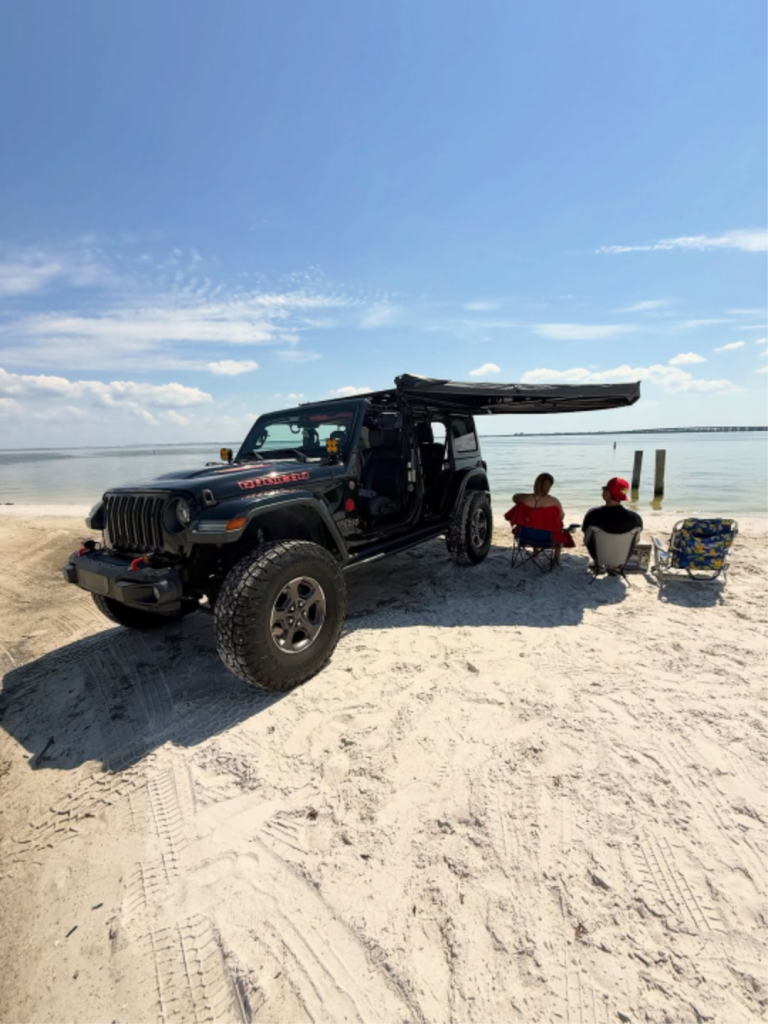
A mounted side setup attached directly to the vehicle, for example, removes the need for setup rituals that break the rhythm of travel. It doesn’t ask for poles or separate frames. It just unfolds from the side of the car and creates a usable boundary between sun and space.
In that sense, something like a car side awning isn’t really about camping. It’s about making short stops feel less conditional. Whether it’s a roadside rest, a beach parking lot, or an unplanned pause in open terrain, the idea is the same: you don’t need to “prepare” the environment anymore just to exist in it comfortably.
What’s interesting is not the equipment itself, but how quickly it changes decision-making. People who previously avoided stopping in exposed areas start doing it more often. They do so not because the environment changed, but because the hesitation disappeared.
A family traveling along a coastal route in Malaysia recently described something similar. They used to plan their stops around cafés or shaded rest areas. Now, they stop when they see something worth looking at—even if there’s nothing built around it. The car becomes a kind of anchor point, and everything else extends from it.
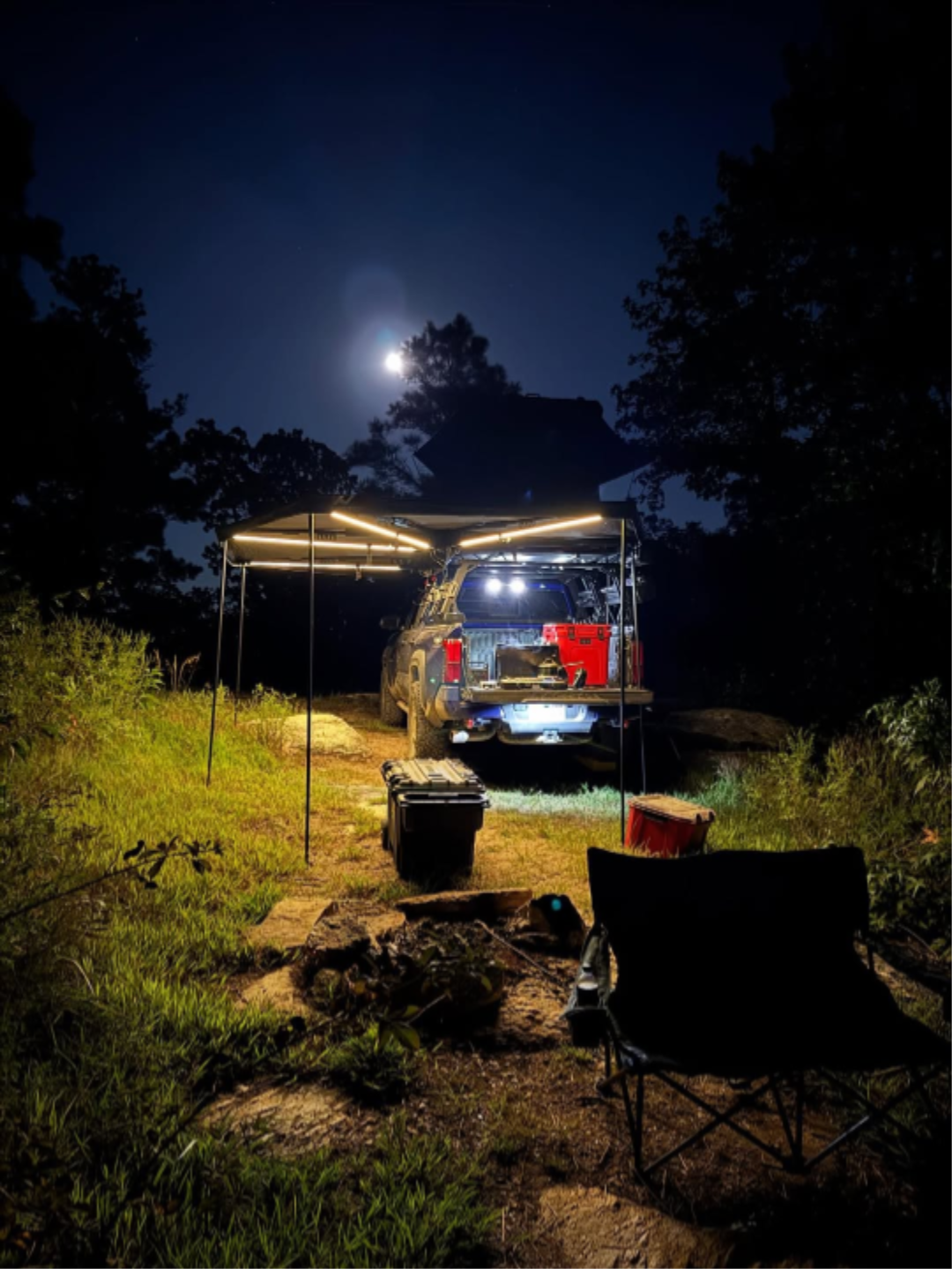
For longer pauses, especially in more open environments, wider coverage setups become more useful. Some extend not just along the side, but wrap partially around the rear, creating a shaded zone that feels less like a single panel and more like a temporary perimeter.
One example often seen in overlanding setups is the 270 Car Awning Plus, which creates a broader wraparound shade area. In practice, this matters less for “camping” and more for how people naturally start using the space around their vehicle. Bags come out. People sit on the edge of the shade instead of inside the car. The stop becomes an activity instead of a pause in discomfort.
But the more interesting change is psychological.
When shade is easy to create, stopping no longer feels like a compromise. You’re not choosing between comfort and scenery. You can actually have both, even briefly. That small change alters the rhythm of travel more than expected. Routes become less rigid. Breaks become more spontaneous. Even driving distance feels less like something to push through.
It also changes how people interpret “rest.” In older patterns, rest meant finding infrastructure—cafés, stations, designated areas. In newer patterns, rest becomes something that can happen anywhere the vehicle is allowed to be.
There’s a quiet shift happening here, not in how people drive, but in how they occupy space when they stop. The car is no longer just a vehicle that takes you somewhere. It’s becoming the starting point for whatever temporary space you build around it.
And once that idea settles in, the road stops being a sequence of destinations and starts becoming a series of usable moments in between.
Not all of them are planned. Not all of them are perfect. But increasingly, all of them are possible.