


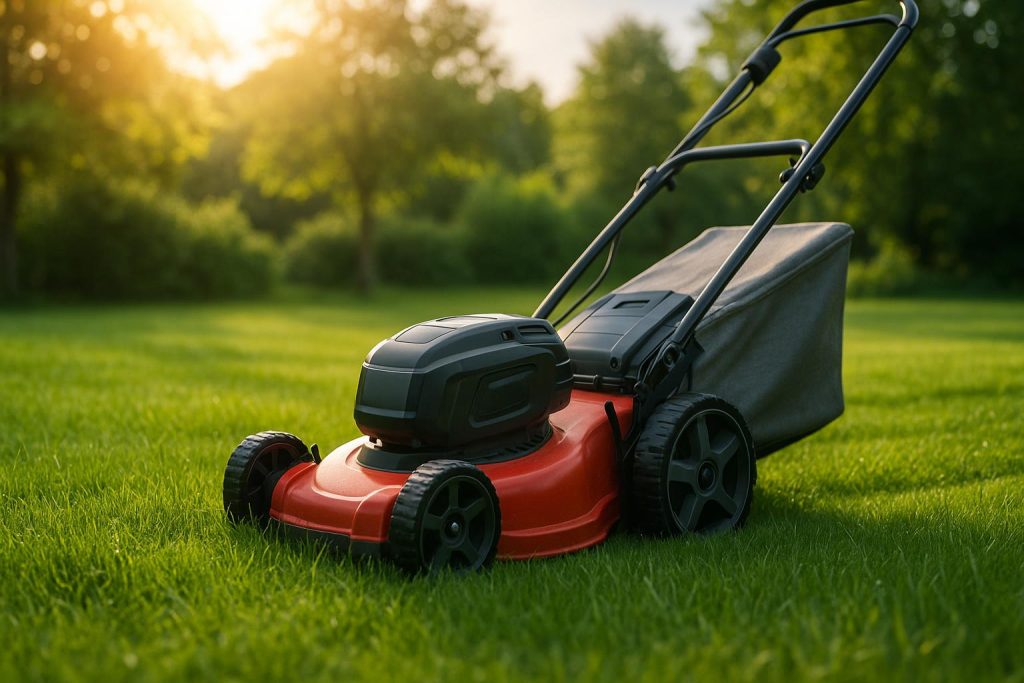
Why the Electric Mower Is Changing Everyday Lawn Care
Contents
- Why the Electric Mower Is Changing Everyday Lawn Care
- Why Electric Mowers Feel So Different from Gas Models
- How Electric Mowers Reduce Noise Without Sacrificing Performance
- Electric Mower vs Gas Mower: What Really Matters
- Choosing the Right Electric Mower for Your Lawn
- A Simple Way to Improve Lawn Care Efficiency
- Common Mistakes Homeowners Still Make
- Tips for Better Results with Electric Mowers
- Are Electric Mowers Powerful Enough?
- Conclusion: A Simpler Way to Maintain a Lawn
- FAQ
Lawn care used to mean loud engines, weekend frustration, and constant maintenance that most homeowners simply tolerated. Over time, the electric mower has shifted that experience into something quieter, lighter, and far more manageable.
Today, maintaining a clean lawn doesn’t require fuel, pull cords, or heavy engine upkeep. A modern electric mower delivers consistent cutting performance with significantly less noise and effort, which is especially valuable in residential neighborhoods where timing and sound matter.
For homeowners exploring more practical lawn solutions, modern systems like an electric mower are making it easier to maintain a yard without the usual noise and maintenance burden.
The real change isn’t just in equipment—it’s in how simple lawn care has become.
Why Electric Mowers Feel So Different from Gas Models
The difference is obvious the moment you turn one on. Gas mowers rely on combustion engines, which create vibration, exhaust noise, and constant mechanical sound. Electric mowers replace that with a smoother motor system.
There’s no engine roar—just a steady cutting sound from the blades moving through grass. That alone changes how and when people mow.
Other differences stand out quickly. There’s no fuel mixing or storage, no pull-start frustration, fewer mechanical parts to maintain, and lower day-to-day upkeep. It removes most of the friction that used to come with lawn care.
How Electric Mowers Reduce Noise Without Sacrificing Performance
Noise reduction is one of the biggest reasons homeowners switch, but it doesn’t mean weaker performance.
Electric mowers use brushless motors that run more efficiently and produce less vibration. Since there’s no combustion process, there are fewer sudden noise spikes.
What you hear instead is mostly blade movement—more of a soft “whoosh” than a loud engine. This makes a real difference in suburban areas where early morning or weekend mowing used to be a problem.
Electric Mower vs Gas Mower: What Really Matters
Both types still exist for a reason, but they serve different needs.
Electric mowers are quiet, easy to start and operate, low maintenance, and lightweight. They are also simple to store and ideal for residential use.
Gas mowers are better suited for extremely overgrown or large commercial areas, and they can run longer without battery limitations. However, they are heavier, louder, and require more maintenance.
For most residential lawns, electric systems now cover everyday needs without the added complexity.
Choosing the Right Electric Mower for Your Lawn
The right mower depends more on yard size than anything else.
Smaller lawns do well with compact single-battery models. Medium lawns benefit from dual-battery setups that extend runtime. Larger properties usually need higher-voltage systems with wider cutting decks to reduce mowing time.
The goal is simple: match the tool to the lawn, not the other way around.
A Simple Way to Improve Lawn Care Efficiency
Electric mowing becomes even easier when the workflow is structured.
Start by clearing debris before mowing. Work in straight overlapping lines to avoid patchy areas. Adjust cutting height depending on season—slightly higher in summer helps grass stay healthy. Finish edges separately for a cleaner appearance.
This approach doesn’t take extra effort, but it makes the result noticeably better.
Common Mistakes Homeowners Still Make
A few small habits can reduce performance without people realizing it.
Cutting too much grass at once stresses the lawn and slows regrowth. Starting with a partially charged battery can interrupt the job halfway through. Using the wrong cutting height can scalp uneven areas. And dull blades tend to tear grass instead of cutting it cleanly.
Most of these issues are easy to avoid with a bit of consistency.
Tips for Better Results with Electric Mowers
Small habits go a long way.
Mow when grass is dry for a cleaner cut. Change mowing direction occasionally to avoid soil patterns. Clean the underside of the deck after use. Store batteries in stable temperatures. And slow down slightly in thicker areas instead of forcing speed.
These are small adjustments, but they noticeably improve results over time.
Are Electric Mowers Powerful Enough?
For most residential lawns, yes.
Modern electric mowers handle regular weekly maintenance, typical suburban grass thickness, and uneven yard conditions without issue. Where gas still has an edge is in extreme overgrowth or large-scale commercial use.
But for consistent home maintenance, electric systems are more than capable.
Conclusion: A Simpler Way to Maintain a Lawn
The electric mower has changed lawn care in a practical way, not just a technological one. It removes noise, reduces maintenance, and makes routine yard work easier to manage.
What used to feel like a loud, fuel-heavy task has become something far more controlled and predictable. For most homeowners, that shift is what makes electric mowing worth it—not just performance, but the simplicity that comes with it.
FAQ
1. How long does an electric mower battery last?
Most batteries can handle a standard residential lawn on a single charge, depending on grass density and yard size.
2. Can electric mowers handle thick grass?
Yes, especially brushless models. Slower mowing speed helps in thicker patches.
3. Do electric mowers need maintenance?
Very little—mainly blade cleaning, sharpening, and battery care.
4. Are they good for uneven lawns?
Yes, most models are designed for typical residential terrain.
5. Are electric mowers better than gas?
For most homeowners, yes—because they are quieter, easier to maintain, and more convenient for regular use.