


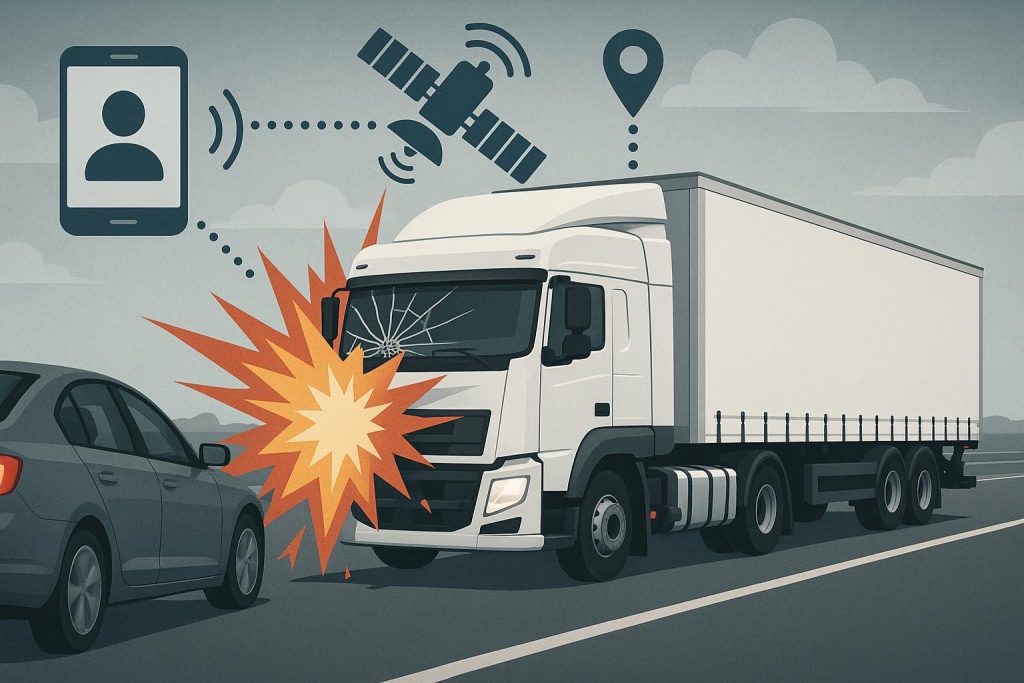
The American trucking industry has undergone a dramatic technological transformation over the past two decades. While innovations like GPS navigation, electronic logging devices, and advanced driver assistance systems were designed to enhance safety and efficiency, they have paradoxically contributed to an increase in truck accidents across the nation. This troubling trend reveals that technology, despite its promises, can introduce new hazards when not properly implemented or managed.
The Distraction Epidemic in Commercial Vehicles
Contents
Modern truck cabs have evolved into mobile offices equipped with multiple digital devices competing for drivers’ attention. Fleet management systems, dispatch communications, electronic logging devices, GPS units, and smartphones create a constant stream of notifications and updates that fragment driver focus. Research from the Federal Motor Carrier Safety Administration indicates that commercial vehicle drivers who text while driving are 23 times more likely to be involved in a safety-critical event compared to non-distracted drivers.
The proliferation of in-cab technology has normalized multitasking among truck drivers who feel pressured to respond immediately to dispatch messages, update delivery statuses, and monitor multiple screens simultaneously. According to Morris Injury Law, a Summerlin truck accident attorney, “the integration of technology in commercial trucking has created unforeseen dangers that many drivers and fleet operators underestimated, leading to devastating consequences on our roadways.” This constant digital engagement diverts attention from the primary task of safely operating an 80,000-pound vehicle through traffic.
Electronic Logging Devices and Driver Fatigue
The mandatory implementation of Electronic Logging Devices in December 2017 was intended to prevent hours-of-service violations and reduce fatigue-related accidents. However, the rigid enforcement of driving hours through ELDs has produced unintended consequences. Drivers often feel compelled to continue operating their vehicles in hazardous conditions—through severe weather, heavy traffic, or during periods of drowsiness—simply because their electronic logs show they have remaining drive time.
The inflexibility of ELD systems has eliminated the discretionary judgment that experienced drivers once applied to their schedules. When approaching the maximum driving hours, some operators engage in risky behaviors like speeding or aggressive driving to reach their destinations before the clock runs out. Studies suggest that accident rates at certain times have actually increased since ELD implementation, particularly during the final hours of allowable driving time when fatigue naturally peaks.
Over-Reliance on Safety Technologies
Advanced driver assistance systems, including collision avoidance technology, lane departure warnings, and automatic emergency braking, have created a false sense of security among some commercial drivers. This phenomenon, known as risk compensation, occurs when safety improvements lead to riskier behavior because individuals feel protected by technology.
Drivers who depend heavily on these systems may pay less attention to road conditions, maintain unsafe following distances, or fail to perform adequate pre-trip inspections under the assumption that technology will compensate for human error. However, these systems have limitations and can malfunction or fail to detect hazards in adverse weather conditions, creating dangerous situations when drivers aren’t mentally prepared to intervene.
GPS navigation systems have fundamentally changed how truck drivers navigate unfamiliar routes, but they’ve also introduced new accident risks. Commercial GPS units sometimes direct trucks onto roads with inadequate clearances, weight restrictions, or turning radii unsuitable for large vehicles. Drivers who blindly follow GPS directions have crashed into low bridges, become stuck on residential streets, or attempted dangerous maneuvers in areas not designed for commercial traffic.
The National Highway Traffic Safety Administration reports hundreds of bridge strikes annually, many attributed to drivers following GPS instructions without verifying route appropriateness. These incidents not only cause property damage but also create traffic hazards and can result in serious injuries when trucks suddenly stop or jackknife while attempting to navigate unsuitable routes.
Cybersecurity Vulnerabilities
Modern trucks equipped with connected vehicle technologies face emerging cybersecurity threats that previous generations never encountered. Hackers can potentially access electronic control systems, manipulate braking functions, or disable safety features remotely. While large-scale cyberattacks on commercial vehicles remain rare, security researchers have demonstrated numerous vulnerabilities in truck electronic systems that could be exploited.
Fleet management systems that transmit sensitive operational data wirelessly can be intercepted, potentially revealing cargo information to criminals or exposing routes to hostile actors. As trucks become increasingly connected through Internet of Things technologies, the attack surface for malicious interference expands significantly.
Moving Forward Responsibly
The trucking industry must acknowledge that technology alone cannot solve safety challenges and may introduce new risks requiring comprehensive training and thoughtful implementation. Drivers need extensive education on properly using electronic systems without allowing them to become dangerous distractions. Regulatory agencies should continuously evaluate whether technology mandates achieve their intended safety improvements or create unintended consequences requiring policy adjustments.
Technology will continue shaping commercial trucking’s future, but the industry must prioritize human factors alongside technological advancement. Only through balanced integration that respects both innovation’s potential and human limitations can the sector reduce accidents and protect all road users.