


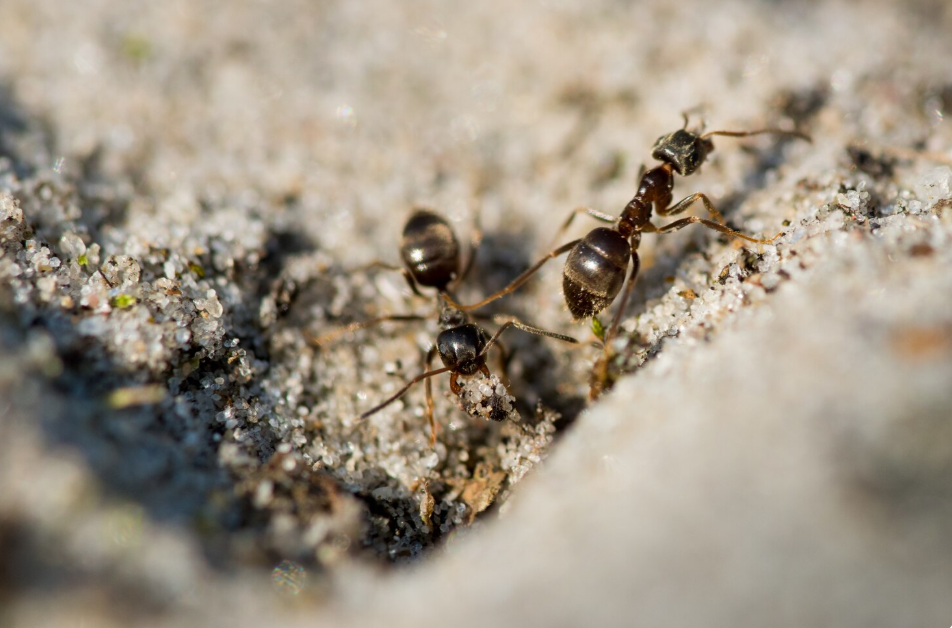
Ants almost never show up one at a time, in peace. Instead, they show up in trails, explore your kitchen and food, and soon after, become an ongoing nuisance that interrupts the daily flow of your life. They annoy you, and as you show them away, they come back in hours, sometimes stronger and more organized.
This cycle is maddening, particularly when band-aids don’t fix the problem at large. Also, neglecting the problem leads to colonies expanding and being tougher to eliminate over time. Bitty cracks, stray crumbs and invisible moisture quietly entice entire colonies inside.
Thus, what starts as a reasonable annoyance becomes an ongoing issue that affects cleanliness and comfort. This is why knowing how to effectively control an ant infestation is of utmost importance for maintaining a clean and comfortable home. This article outlines practical steps to eradicate ants and prevent them from coming back.
1. Begin With a Close Inspection and Identification
Contents

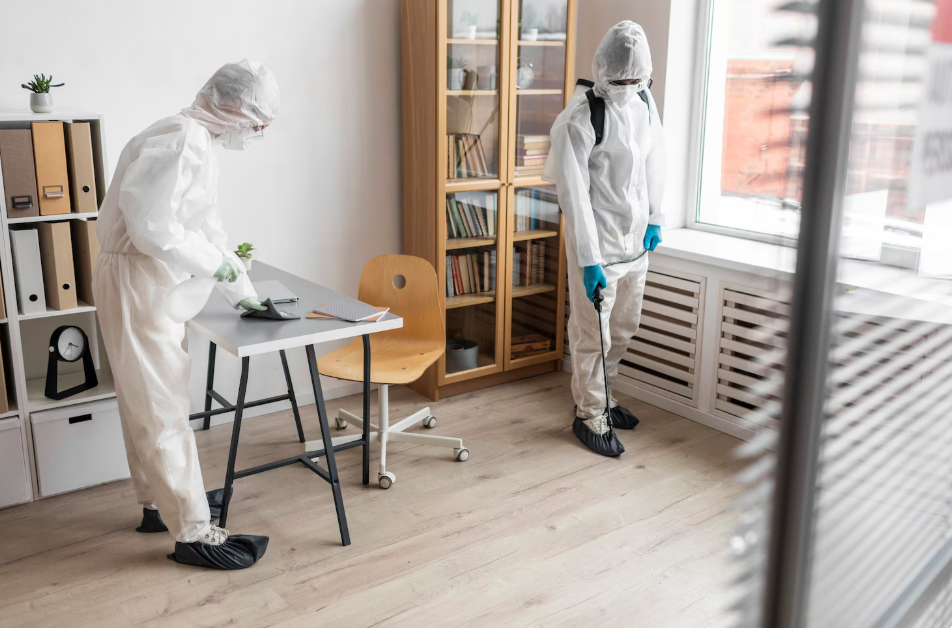
The path to effective control begins with understanding what you’re up against. Ant infestations are predictable based on the need for food, moisture, and shelter. So closely examine your home from near and far.
Look for visible trails, fly-in points and nesting areas near walls, baseboards, or foundations. You should also check kitchens, bathrooms, and outdoor spaces for moisture. Because ant species exhibit varying behaviors, professional advice might be helpful at this point.
A search for pest control near you will lead you to specialists who do thorough inspections and provide customized treatment plans. These professionals evaluate entry access points, nesting areas, and environmental issues before implementing solutions.
2. Remove Food and Water Sources
Ants are famous for their teamwork, and once they discover a sure food source, they share the knowledge throughout the colony. That is why you want to remove these attractants. Store all food in airtight containers.
Immediately clean up spills, crumbs and grease, especially in kitchens and dining areas. And don’t forget about pet food, which can be a big draw for ants. Simultaneously, resolve water problems.
Repair leaks, dry wet surfaces, and ensure effective ventilation. Even minor sources of water can support an infestation. Also, empty trash bins frequently and clean them to inhibit odors that can lure ants. This limited state of existing and halting life functions is what you try to achieve by cutting off food and water.
3. Seal Entry Points and Reinforce Barriers
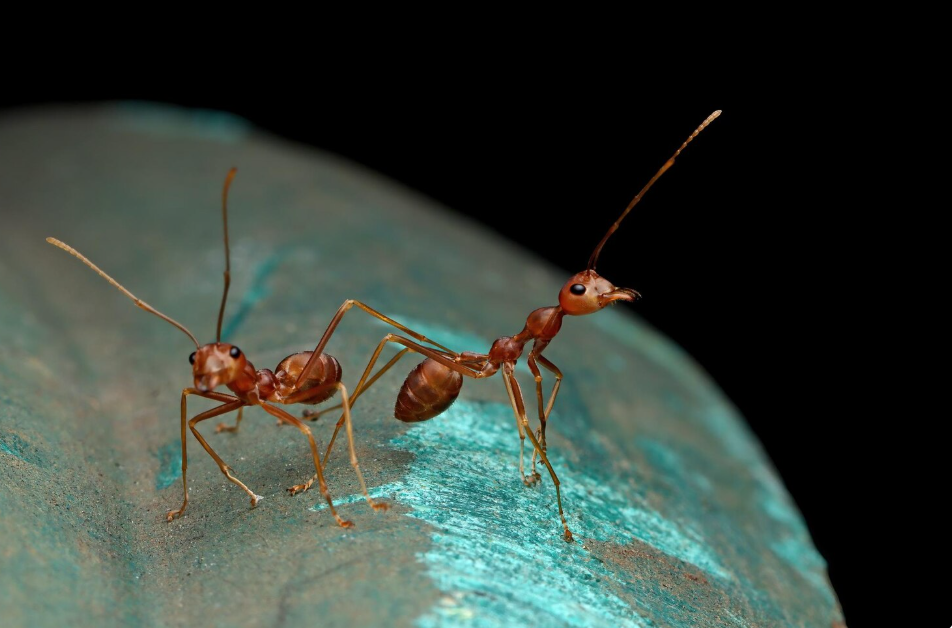
Even small cracks can provide entry points for ants. So, sealing access points is vital for long-term control. Check doors, windows and gaps around utility lines and the foundation. Seal cracks and crevices with sealant. You can also add door sweeps and fix torn screens.
Entry zones like baseboards and exterior foundations are often treated by professional services. Not only does this prevent access, but it also prevents future infestations. As a result of this, ants find it harder to enter your home.
4. Stop Reaching for Quick Solutions and Use Targeted Treatments
You may find temporary relief from visible ants by spraying them, but without an active remedy for the colony. In some instances, it propagates the infestation more widely. Instead, opt for localized treatments such as baiting systems.
The ants are attracted to the bait, so they take the poison back to their colony, where it takes out your problem at its source. Moreover, perimeter treatments establish a protective barrier. A combination of liquid treatments and baits is used by many services for control.
Furthermore, it is vital to plant baits within the active passages since proper placement boosts efficiency. By opting for targeted methods, you tackle the problem right at the source.
5. Treat Outdoor Areas and Nesting Sites
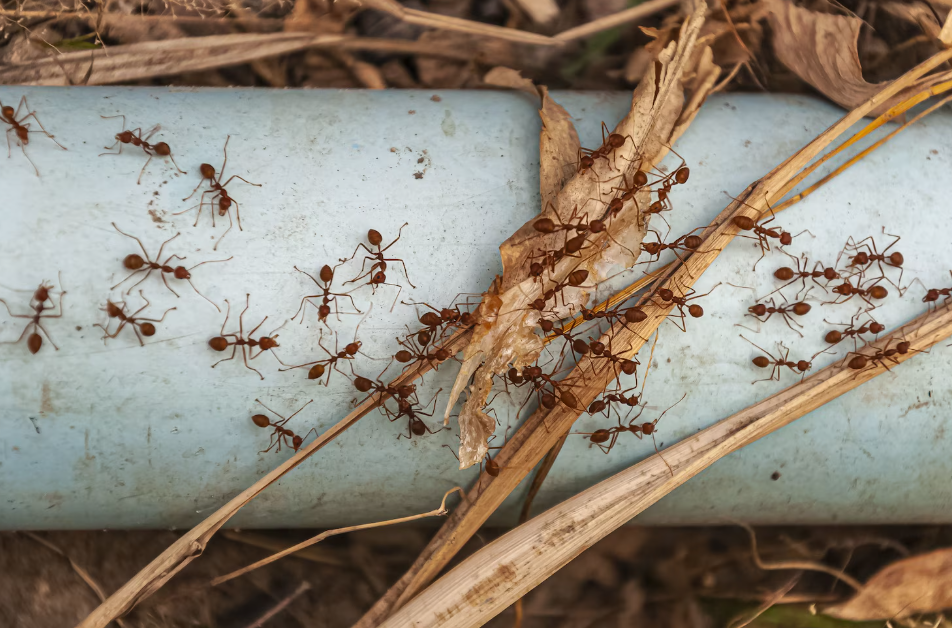
Indoor treatments alone are not enough. Since many ant colonies originate outside, addressing outdoor nesting sites is equally important. Check your yard for ant mounds, especially near foundations, walkways, and garden beds. Treat these areas with appropriate solutions to eliminate colonies at the source.
Additionally, maintain your landscaping. Trim plants and trees that touch your home, as they can act as bridges for ants. Reduce excess mulch and debris, which often serve as nesting environments.
Professional pest control plans often include treating lawns, applying granules, and spraying the perimeter to prevent reinfestation. By controlling outdoor activity, you significantly reduce the chances of ants entering your home again.
6. Adopt Ongoing Prevention and Maintenance
Effective ant control does not end after one treatment. Instead, it requires consistent monitoring and preventive measures.
Consider scheduling regular pest control services, such as quarterly treatments, to maintain protection throughout the year. These plans often include inspections, exterior treatments, and free re-treatments if pests return.
In addition, maintain cleanliness, monitor for early signs of activity, and address issues promptly. Even small preventive actions can make a big difference over time. By adopting a proactive approach, you transform pest control from a reactive task into a long-term strategy.
Final Thoughts
Controlling ant infestations effectively requires more than quick fixes; it demands a strategic and consistent approach. First, you need to identify the infestation accurately and understand where ants are coming from.
Then, by eliminating food and water sources, you remove the factors that attract them in the first place. Sealing entry points further strengthens your defense, while targeted treatments ensure that entire colonies are eliminated rather than temporarily disturbed.
At the same time, treating outdoor nesting areas prevents ants from re-entering your home. Finally, ongoing maintenance and regular inspections help sustain long-term protection. When you combine these steps, you create a comprehensive system that not only eliminates current infestations but also prevents future ones.