


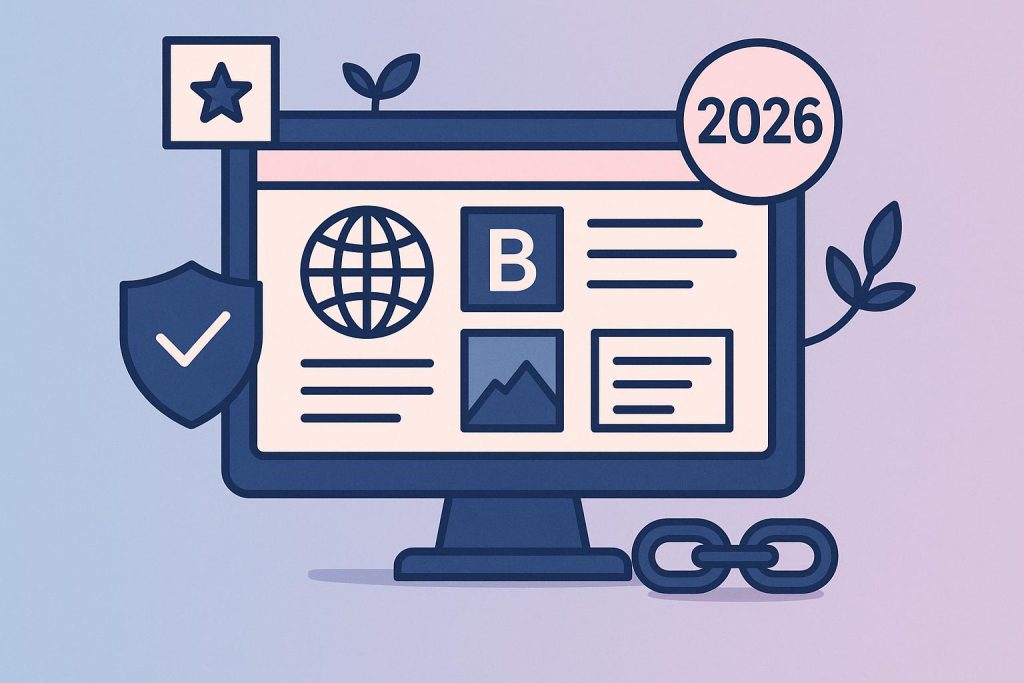
Trust is everything online. In 2026, people decide within seconds whether they believe in a brand or leave its website for good. That decision doesn’t come from one single factor; it’s the result of how web design and branding work together to create a consistent, reliable experience.
A business that understands this connection stands out immediately. Whether it’s a startup or an established company, working with a professional logo design company can help shape the visual identity that supports trust from the very first interaction.
Let’s break down how these two elements, web design and branding, combine to build real user trust.
Why Trust Matters More Than Ever in 2026
Contents
People are more cautious online now. With AI-generated content, fake reviews, and countless options, users don’t just look for good design; they look for signals that a brand is real, consistent, and reliable.
If your website feels outdated, inconsistent, or confusing, users won’t stick around long enough to understand your value.
According to a study by the Nielsen Norman Group, users judge a website’s credibility largely based on its visual design. That means your design choices directly affect how trustworthy you appear.
What Is Branding, Really?
Branding isn’t just your logo. It’s the overall personality of your business.
It includes:
- Colors and typography
- Tone of voice
- Messaging style
- Visual consistency
- The emotions your brand creates
Think of branding as how your business feels to people.
What Is Web Design in This Context?
Web design is how your brand is experienced online.
It includes:
- Layout and structure
- Navigation
- Mobile responsiveness
- Speed and performance
- Visual presentation
If branding is the identity, web design is how that identity is delivered.
How Web Design and Branding Work Together
1. First Impressions Happen Fast
When someone lands on your website, they don’t read everything; they scan.
If your branding and design align:
- Colors feel intentional
- Typography is easy to read
- The layout looks clean and modern
This instantly creates a sense of professionalism.
But if your design feels messy or inconsistent with your branding, users get confused, and confusion kills trust.
2. Consistency Builds Familiarity
Consistency is one of the biggest trust signals.
When users see the same:
- Colors
- Fonts
- Style
- Messaging
Across your website, social media, and ads, it creates familiarity. And familiarity leads to trust.
For example, if your brand uses minimal design and calm tones, your website should reflect that, not feel loud or cluttered.
3. Clear Messaging Reinforces Credibility
Branding defines your voice. Web design makes that voice easy to understand.
If your website:
- Uses clear headings
- Has readable text
- Guides users smoothly
Then your message feels more credible.
Confusing layouts or cluttered pages make even strong brands look unreliable.
4. User Experience (UX) Is a Trust Signal
People trust websites that are easy to use.
If your website:
- Loads fast
- Works smoothly on mobile
- Has simple navigation
Users feel comfortable staying longer.
According to Google’s Web Vitals, performance and user experience directly impact how users interact with websites.
A strong brand combined with poor UX won’t work. Both need to support each other.
5. Visual Hierarchy Guides User Behavior
Good web design uses hierarchy to show users what matters most.
Branding supports this by defining:
- Primary colors (for buttons and CTAs)
- Font styles (for headings vs body text)
Together, they help users:
- Know where to click
- Understand what’s important
- Feel confident navigating your site
This reduces friction and builds trust.
6. Emotional Connection Through Design
Branding creates emotion. Web design delivers it visually.
For example:
- A luxury brand uses minimal design, lots of white space, and elegant fonts
- A playful brand uses bright colors and bold typography
If your web design matches your brand personality, users feel something real.
And when users feel something, they’re more likely to trust and remember you.
The Role of Modern Design Trends in 2026
Web design in 2026 is more focused on simplicity, speed, and personalization.
Some key trends include:
- Clean, minimal layouts
- Subtle animations
- Dark mode options
- Personalized user experiences
But trends only work when they align with your branding.
A flashy design doesn’t help if your brand is meant to feel calm and professional.
Where Businesses Often Go Wrong
Many businesses treat branding and web design as separate things.
Common mistakes include:
- Designing a website without a clear brand identity
- Using inconsistent colors and fonts
- Copying trends that don’t fit the brand
- Ignoring user experience
These issues make a brand feel unreliable, even if the product or service is good.
Bringing It All Together
To build trust in 2026, your branding and web design must work as a single system, not as separate pieces.
This is where working with an experienced web design agency becomes valuable. When both branding and design are handled together, the result feels seamless, intentional, and trustworthy.
Practical Tips to Improve Trust
Keep Your Design Clean
Avoid clutter. Simple layouts feel more professional and easier to trust.
Stick to a Consistent Style
Use the same colors, fonts, and tone across all pages.
Focus on Readability
Make sure text is easy to scan, with short paragraphs and clear headings.
Optimize for Speed
A slow website instantly reduces trust.
Users should find what they need without thinking too much.
Final Thoughts
In 2026, trust isn’t built through words alone; it’s built through experience.
Your branding tells people who you are. Your web design shows them how much you care about their experience.
When both work together, users don’t just stay on your website; they believe in your brand.
And in a digital world full of choices, belief is what turns visitors into loyal customers.