


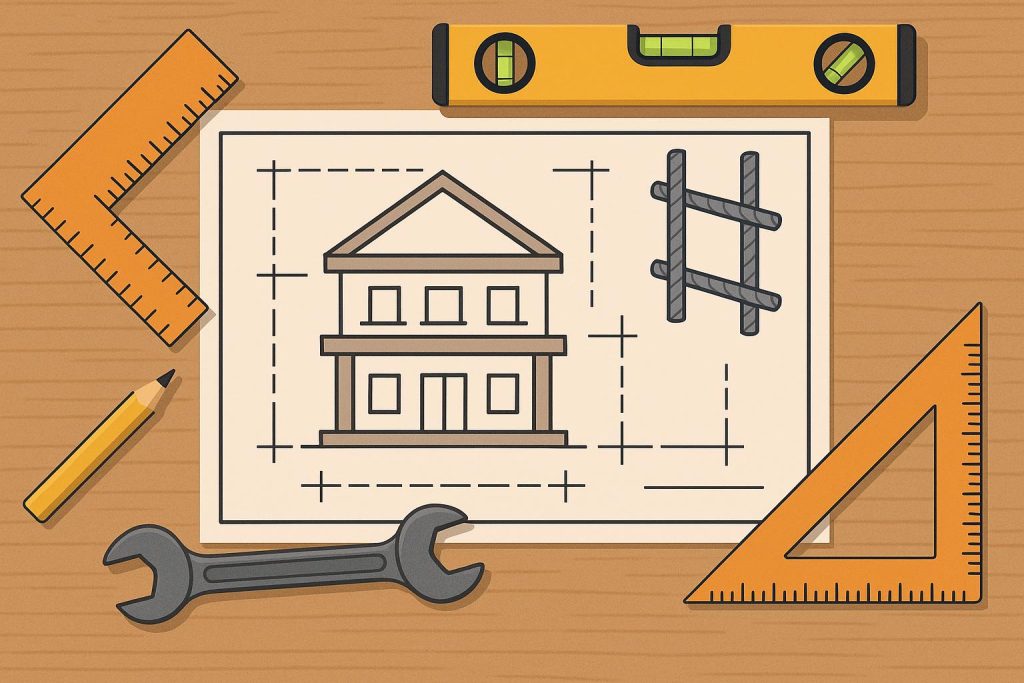
Planning any structural project begins with a clear understanding of its scope. Whether the work involves a small residential extension or a large commercial build, defining the purpose, scale, and expected outcomes is essential. This stage helps identify the materials, labor, and expertise required, ensuring that no critical element is overlooked.
A well-defined scope also allows stakeholders to align expectations early on. Miscommunication at this point can lead to costly revisions later, so clarity is key. Consider how the structure will be used over time, as future demands can influence initial design decisions.
Assessing Site Conditions and Environment
Contents
Before any construction begins, a thorough assessment of the site is crucial. Soil type, ground stability, drainage, and exposure to weather all play a role in determining the structural approach. Ignoring these factors can compromise the integrity of the project.
Environmental considerations are equally important. Sustainable planning involves minimizing disruption to the surrounding area and selecting materials that are both durable and environmentally responsible. Factoring in local climate conditions can also help ensure the longevity of the structure.
Choosing the Right Materials
Material selection is one of the most critical aspects of structural planning. The right materials not only support the load and design requirements but also contribute to safety and efficiency. Steel, timber, concrete, and composite materials each have their own advantages and limitations.
It’s important to source materials that meet industry standards and are suitable for the specific application. For example, when working on masonry structures, it’s essential to ensure proper connections between elements. Many professionals prefer to buy wall ties online to guarantee quality and compatibility with modern construction methods.
Durability should always be a priority, as using substandard materials can lead to premature wear and costly repairs.
Compliance With Regulations and Standards
Every structural project must adhere to local building codes and regulations. These standards are designed to ensure safety, stability, and performance. Failing to comply can result in delays, fines, or even the need to dismantle completed work.
Working with experienced professionals who understand these requirements can make a significant difference. Engineers, architects, and contractors should collaborate closely to ensure all aspects of the project meet legal and safety guidelines.
Regular inspections throughout the construction process can also help identify potential issues before they become serious problems.
Budget Planning and Cost Control
Budgeting is a fundamental part of any structural project. Costs can quickly escalate if not carefully managed, especially when unexpected challenges arise. A detailed budget should include materials, labor, equipment, and contingency funds.
Planning for unforeseen expenses is particularly important, as structural work often uncovers hidden issues such as ground instability or existing structural weaknesses. Keeping a financial buffer can prevent delays and ensure the project continues smoothly.
Value engineering can also help optimize costs without compromising quality. This involves finding alternative materials or methods that achieve the same results more efficiently.
Timeline and Project Management
Establishing a realistic timeline is essential for successful project execution. Delays can impact not only costs but also the availability of resources and labor. Effective project management ensures that each phase of the build progresses as planned.
Coordinating different teams, from designers to contractors, requires clear communication and organization. Setting milestones and regularly reviewing progress can help keep the project on track.
Flexibility is also important, as unexpected challenges may require adjustments to the schedule. Being prepared to adapt while maintaining overall goals is a key aspect of successful planning.
Prioritizing Safety and Longevity
Safety should always be at the forefront of any structural project. This includes both the safety of workers during construction and the long-term safety of those who will use the structure. Proper planning, high-quality materials, and adherence to standards all contribute to a safe outcome.
Longevity is another crucial consideration. A well-planned structure should stand the test of time, requiring minimal maintenance while maintaining its integrity. Investing in quality from the beginning often leads to better performance and lower costs in the long run.
By carefully considering each of these factors, structural projects can be executed efficiently, safely, and successfully, delivering results that meet both immediate needs and future demands.