


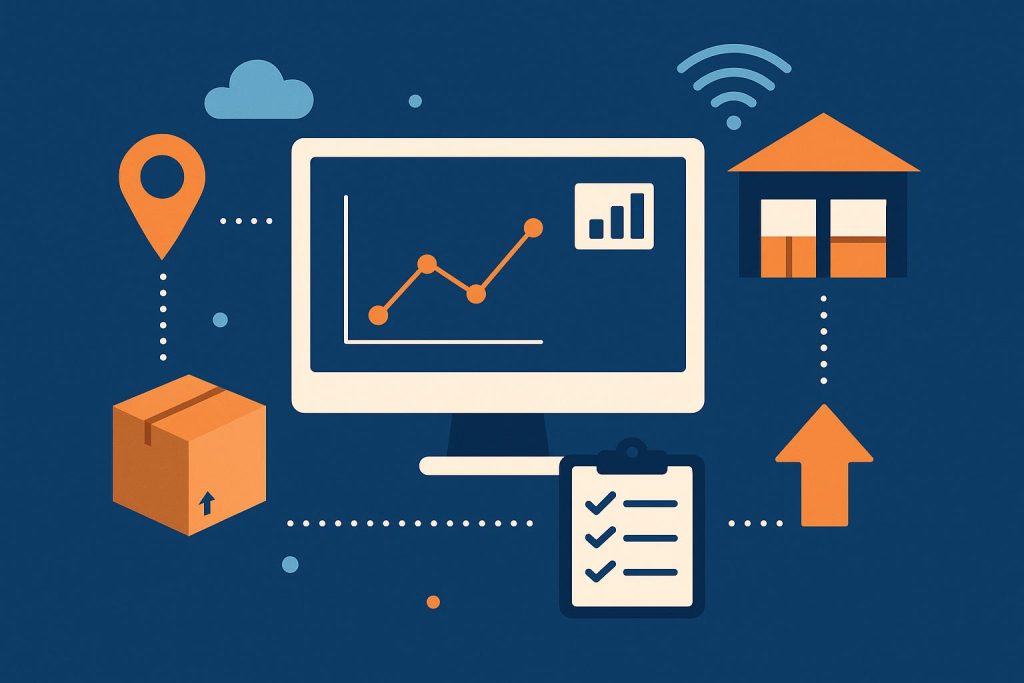
How quickly can your business respond when a customer places an order? Are you confident that your warehouses, inventory, and delivery systems are all perfectly aligned in real time? In today’s fast-paced marketplace, these questions are more critical than ever. Consumers expect fast, accurate deliveries and full transparency from the moment they click “buy.” For businesses managing complex supply chains, relying on outdated, static order management systems is no longer enough. Instead, leveraging real-time data allows companies to make smarter decisions, optimize order distribution, reduce costs, and elevate the overall customer experience.
Understanding Real-Time Data in Order Distribution
Contents
Real-time data refers to information that is updated continuously, reflecting the current state of operations as it happens. In the context of order distribution, this includes inventory levels, order statuses, transportation conditions, warehouse capacity, and even external factors like traffic or weather. Unlike batch processing systems, which update information periodically, real-time data provides a dynamic view of supply chain operations. This allows businesses to respond immediately to changes, such as sudden spikes in demand or delays in shipping.
For example, a retailer managing multiple warehouses can use real-time data to identify which location has the required stock available and the fastest route to the customer. This minimizes shipping delays and reduces the risk of stockouts, ultimately improving customer satisfaction.
Benefits of Real-Time Data for Order Distribution
- Enhanced Efficiency
One of the most significant advantages of using real-time data is operational efficiency. By constantly monitoring inventory and order flow, businesses can allocate resources more effectively. Automated systems can prioritize orders based on urgency, shipping location, or delivery window, reducing manual intervention and minimizing errors. For logistics managers, this translates into smoother operations and less time spent on reactive problem-solving. - Improved Customer Experience
Today’s consumers expect instant updates on their orders. Real-time data enables businesses to provide accurate tracking information, estimated delivery times, and proactive notifications in case of delays. This transparency builds trust and enhances customer loyalty. Companies working with the best fulfilment companies in the UK can leverage these systems to ensure orders are processed quickly, accurately, and with minimal disruption, keeping customers happy and engaged. - Cost Reduction
Efficient order distribution not only speeds up delivery but also reduces operational costs. Real-time data helps companies avoid unnecessary shipping expenses by selecting optimal routes and delivery methods. Additionally, it prevents overstocking or understocking by providing accurate visibility into inventory levels across locations. This reduces storage costs and minimizes losses due to expired or obsolete products. - Adaptive Supply Chain Management
Supply chains are often vulnerable to disruptions—from transportation delays to sudden changes in consumer demand. Real-time data allows companies to detect anomalies immediately and take corrective actions. For example, if a delivery truck is delayed due to traffic, the system can automatically re-route other deliveries or adjust order priorities. This adaptive capability ensures continuity and resilience in the supply chain.
Implementing Real-Time Data Solutions
To effectively leverage real-time data, businesses must integrate advanced technologies and analytics into their order distribution processes. Some key strategies include:
- IoT-Enabled Tracking
Internet of Things (IoT) devices, such as smart sensors in warehouses and GPS trackers on delivery vehicles, provide continuous data streams about inventory levels, package locations, and environmental conditions. This granular visibility allows companies to make informed decisions about how to distribute orders efficiently. - Advanced Analytics and AI
Collecting data is only the first step; interpreting it effectively is where real value is realized. Artificial intelligence (AI) and machine learning algorithms can analyze historical and real-time data to predict demand, identify potential bottlenecks, and recommend optimal order distribution strategies. For instance, AI can forecast which products are likely to be in high demand at a particular location and adjust stock allocation accordingly. - Cloud-Based Order Management Systems
Cloud technology enables seamless integration of real-time data across multiple platforms and geographic locations. A centralized cloud-based order management system allows warehouse managers, logistics partners, and customer service teams to access the same up-to-date information. This reduces miscommunication, ensures consistent execution, and supports coordinated responses to unexpected events. - Dynamic Routing Software
Real-time traffic, weather, and delivery data can be incorporated into dynamic routing systems that optimize delivery paths on the fly. This not only reduces fuel costs but also improves delivery times, enhancing the overall customer experience. Companies operating large fleets or serving urban areas benefit significantly from this technology, as it helps navigate congestion and minimize delays.
Challenges and Considerations
While the benefits of real-time data are clear, implementing these systems is not without challenges. Collecting and processing large volumes of data requires robust IT infrastructure and skilled personnel. Businesses must also ensure data security and privacy, particularly when handling sensitive customer information. Moreover, real-time systems require integration with existing logistics, inventory, and order management platforms, which can be complex for large organizations.
Another consideration is change management. Employees and stakeholders must be trained to trust and use real-time insights in their decision-making processes. Without organizational buy-in, even the most advanced systems may fail to deliver measurable improvements.
The Future of Smarter Order Distribution
As technology continues to advance, the role of real-time data in order distribution will only grow. Integration with predictive analytics, AI-powered automation, and even blockchain for transparent supply chains will redefine how businesses manage orders. Companies that invest in real-time capabilities today will be better positioned to meet rising customer expectations, respond swiftly to disruptions, and maintain a competitive edge.
In conclusion, leveraging real-time data for smarter order distribution is no longer an optional upgrade—it is a strategic necessity. By providing actionable insights, enhancing efficiency, reducing costs, and improving customer experience, real-time data transforms the way businesses approach supply chain management. Organizations that embrace this technology can not only optimize their current operations but also build a resilient, adaptive foundation for future growth. In a marketplace where speed, accuracy, and transparency define success, the ability to make informed, real-time decisions can be the ultimate differentiator.