


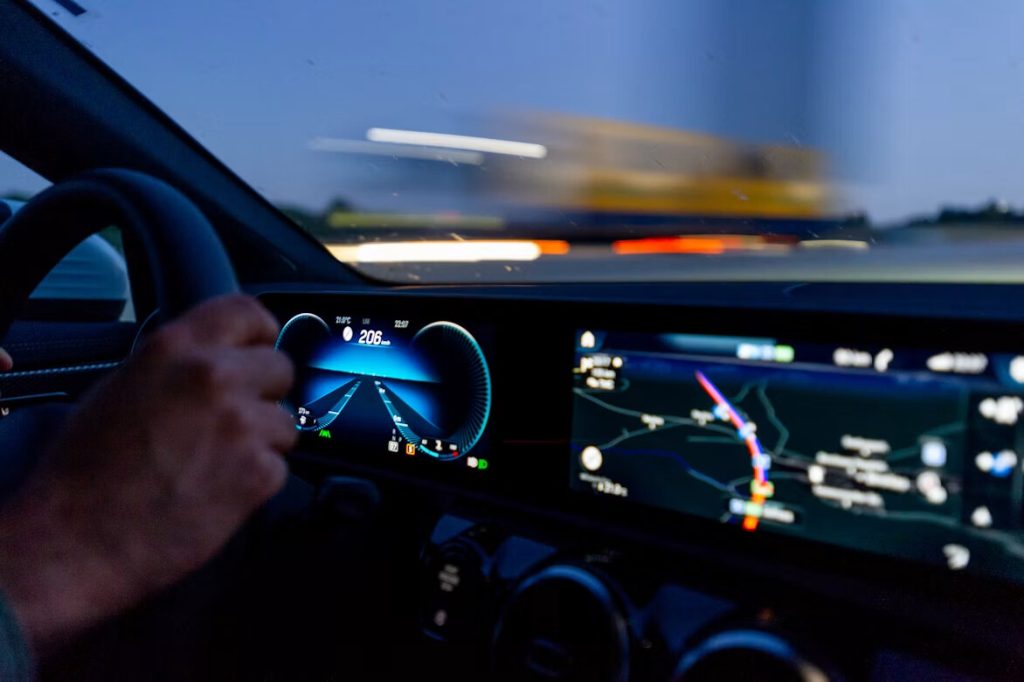
Smartphones and in-car touchscreens can distract us, but technology is also becoming a key tool for road safety. From smart apps to advanced vehicle systems, new tools are designed to prevent collisions and protect drivers. This article looks at the main technologies available today that are making our time on the road safer for everyone.
Top Apps for Safer Driving
Contents
Your phone doesn’t have to be a distraction. With the right software, it can become a powerful safety device. Many apps to help end distracted driving work by limiting how you can use your phone while driving. For example, some apps can automatically silence notifications and send auto-replies to texts, letting others know you’re on the road.
Other apps go further, monitoring your driving habits. They give you feedback on speeding, hard braking, and phone use, helping you become a more aware driver. Navigation apps like Waze and Google Maps also help by giving real-time alerts for road hazards, traffic jams, and speed traps. This lets you anticipate and react safely to changing conditions.
Vehicle Tech That Prevents Collisions
Modern vehicles increasingly come with Advanced Driver-Assistance Systems (ADAS). These systems act like an extra set of eyes on the road. They use a network of sensors and cameras to watch the vehicle’s surroundings and can step in to prevent a crash. Key features to look for include:
- Automatic Emergency Braking (AEB): This system can detect an upcoming front-end collision and automatically apply the brakes if the driver doesn’t react in time.
- Blind Spot Monitoring: It alerts you to vehicles in your blind spots, helping you avoid unsafe lane changes.
- Lane Keeping Assist: This feature gently steers the vehicle back into its lane if it starts to drift without a turn signal.
- Adaptive Cruise Control: It maintains a set following distance from the car ahead, automatically adjusting your speed in traffic.
These technologies are more than just convenient; they are proven to reduce how often crashes happen and how severe they are.
When Tech Fails: Understanding Liability
While driver-assistance technology greatly improves safety, it isn’t perfect. Systems can fail due to software problems, blocked sensors, or simply by working outside their intended limits. When a collision involves a vehicle with ADAS, figuring out who is at fault can become very complicated.
Was it human error, or did the technology not work as it should have? This question is especially important in crashes involving large commercial trucks, where the results are often severe.
If you are injured in a crash and suspect a technology failure played a part, dealing with the legal aftermath and insurance companies can be overwhelming. In such a complex situation, getting advice from a specialized accident lawyer can help you understand your rights and options for seeking compensation.
Using Dash Cams for Peace of Mind
A dashboard camera is one of the simplest yet most effective pieces of tech you can add to your vehicle. If an accident happens, a dash cam provides an unbiased, time-stamped video record of what occurred. This footage can be extremely valuable when filing an insurance claim or proving your innocence in a dispute. It removes the “he said, she said” scenario and offers clear evidence.
Beyond accidents, dash cams can also protect you from insurance fraud schemes, like staged collisions. Some models even have a parking mode that starts recording if it detects an impact while your car is unattended. This helps you identify anyone who might have hit your vehicle and driven away.
The Future of Connected Roadways
Road safety technology is evolving towards a fully connected system. The next big step is Vehicle-to-Everything (V2X) communication. Cars will be able to “talk” to each other, to infrastructure like traffic lights, and even to pedestrians’ devices. This constant flow of information will let vehicles anticipate hazards long before a driver or sensor could detect them.
For example, a car could get a warning about black ice on a bridge ahead from a vehicle that just crossed it. Government agencies are actively involved in setting standards for automated vehicle safety to make sure these future systems are reliable and secure. This interconnected network promises to greatly reduce human error, which is currently the main cause of traffic accidents.
Technology offers powerful tools to make our roads safer, but it doesn’t replace the need for an alert and responsible driver. Understanding and using these features correctly adds a significant layer of protection for yourself and others every time you get behind the wheel.