


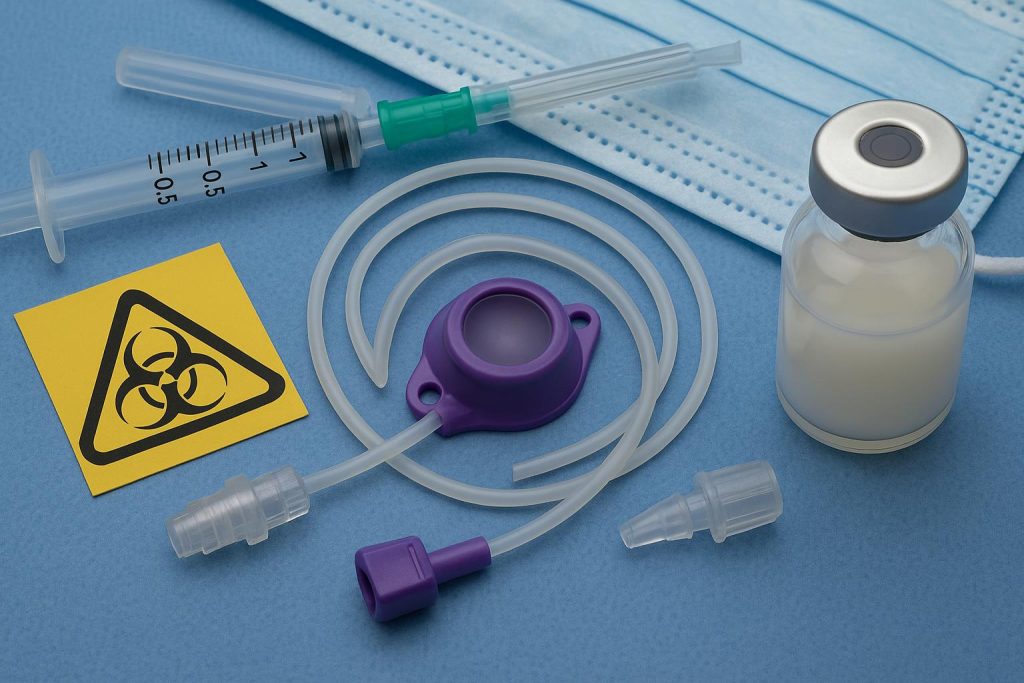
Implantable chemo ports are designed to make long-term treatment easier, but when a medical device is alleged to fail, patients may face unexpected complications and difficult legal questions alongside their ongoing care. Concerns surrounding the Bard PowerPort lawsuits have raised questions about whether some implantable port systems exposed patients to avoidable risks.
For individuals considering a port a cath lawsuit, understanding the reported safety issues is an important first step in evaluating their legal options. Many patients depend on these devices throughout cancer treatment, making reliability essential. When serious complications disrupt care, learning about potential risks and the legal claims surrounding these devices can help patients make informed decisions about what comes next.
Device Failure Concerns
Contents
Reports of device failure often describe catheter cracks, bloodstream infections, clots, and port movement after placement. These events can lead to imaging, antibiotics, surgical retrieval, or removal. A port-a-cath lawsuit may ask whether warnings, materials, testing, or physician instructions gave patients a fair chance to weigh the risks before implantation.
Why Ports Are Used
A chemo port sits beneath the skin, often in the upper chest. A catheter links that chamber to a large central vein. Clinicians can deliver medication, draw blood, or provide fluids through one access site. For patients facing months of treatment, fewer punctures may reduce bruising, vein irritation, and procedure-related pain.
Common Safety Events
Complications can include infection, catheter fracture, blocked flow, vessel injury, and device migration. A broken line may leave fragments inside the circulatory system. Poor blood return can delay medication or signal clot formation. Infection may spread from the port pocket into the bloodstream. Any of these events can interrupt cancer care when timing already carries clinical weight.
Infection Risks
Ports create a direct route between the skin and the blood. That route needs strict sterile technique each time staff access the device. Redness, warmth, drainage, fever, or chills can point to infection. Some patients require cultures, intravenous antibiotics, hospitalization, or urgent removal. Risk may increase during chemotherapy because immune defenses are often reduced.
Clots and Blockages
Blood may collect near the catheter tip or within the line. A blocked port can resist flushing or fail to return blood. Clots may also form in nearby veins, causing arm swelling, chest discomfort, or tenderness. Clinicians usually rely on imaging, laboratory results, and symptom patterns before choosing medication, removal, or close observation.
Fracture and Migration
Catheters can crack, separate, or move out of position. A loose fragment may travel into the neck, heart, or lungs. Symptoms might include chest pain, shortness of breath, an irregular heartbeat, or no clear warning signs. Imaging helps confirm its location. Retrieval may be needed when movement threatens circulation, heart rhythm, or lung function.
Material Questions
Some legal claims examine whether certain port materials were vulnerable to wear, cracking, or breakage during ordinary use. Durability matters because these devices can remain implanted for long treatment periods. Repeated needle access, pressure changes, and shoulder movement can stress their components. Patients seldom know the material details, so clear risk communication is the responsibility of manufacturers and care teams.
Warning Signs
Patients should report fever, chills, swelling, new pain, fluid leakage, or difficulty flushing the port. A bulge, a change in skin color, or sudden resistance during access warrants prompt review. Early reporting may prevent a minor concern from becoming sepsis, thrombosis, or mechanical failure. Clear discharge instructions help families act without delay.
Recordkeeping Helps
Complete records can connect symptoms, device use, and clinical decisions. Useful details include the implant date, product name, model, lot number, imaging results, removal notes, and culture findings. Patients may request operative reports and device stickers from the medical records department. Those documents help clinicians assess patterns and allow legal teams to review product history.
Clinical Oversight
Safe port care continues long after surgery. Staff training, sterile access, flushing schedules, and routine checks all matter. Follow-up visits should cover pain, blood return, skin changes, and any difficulty with access. When a malfunction is suspected, teams may order chest imaging, ultrasound, or contrast studies. Timely evaluation protects treatment continuity and patient safety.
Patient Communication
Patients need plain instructions before implantation and after discharge. Care teams should explain expected soreness, warning signs, activity limits, and after-hours contact steps. Written guidance helps families respond during fever, swelling, or access problems. Clear communication also supports shared decisions if testing, replacement, or removal becomes necessary.
Conclusion
Implantable chemo devices can provide meaningful treatment support, but safety concerns deserve steady attention. Infection, clotting, migration, and fracture may interrupt therapy and cause lasting injury. Strong product testing, clear warnings, careful placement, and responsive follow-up all reduce risk. Patients and care teams should treat new symptoms seriously, preserve records, and ask direct questions about port function throughout treatment.