


Rodney Goodie is a healthcare executive and community leader based in Houston, Texas, where he serves as chief executive officer of the St. Hope Foundation. Since founding the organization in 1999, Rodney Goodie has guided its growth into a leading Federally Qualified Health Center providing accessible care to patients across the region. His responsibilities include strategic planning, financial oversight, compliance, and community engagement. Under his leadership, St. Hope has received multiple Top Workplace and Better Business Bureau awards for excellence in healthcare service. Mr. Goodie’s academic background includes a master of business administration in health care from Texas Tech University and ongoing doctoral studies in public health at Emory University. His leadership reflects a strong focus on prevention science and public health education, which align with broader efforts to raise awareness of chronic conditions such as Type-1 diabetes.
A Look at Type-1 Diabetes
Type 1 diabetes (T1D) is a long-term autoimmune disease affecting over one million Americans. The immune system, which protects the body from illness-causing agents, mistakenly attacks beta cells in the pancreas, those that produce insulin. Insulin is an important glucose-regulating hormone that enables blood sugar to enter body cells, where it is either converted into energy or stored for later use. The body of Type-1 diabetics produces little or no insulin, leading to glucose accumulation in the bloodstream. If left unattended, T1D and the resulting accumulation of sugar in the bloodstream can lead to a life-threatening complication known as diabetes-related ketoacidosis (DKA).
The cause of T1D is unknown, but researchers explain that family history and age are significant risk factors for this disease. The onset of T1D is often sudden, and the symptoms intensify over days or weeks since insulin production declines steadily. Patients exhibit frequent urination, frequent and unusual bed-wetting, excessive thirst and hunger, inexplicable and unplanned weight loss, blurred vision, slow-healing wounds, and irritability. If these symptoms are left untreated, patients can develop several complications that affect their vital organs.
Damaged nerves, or neuropathy, are a possibility where T1D is untreated. Here, capillaries that feed the nerves, especially in the legs, are affected by the high glucose levels in the blood, resulting in numbness, tingling, and pain in this area. Notably, since slow-healing wounds are a common T1D symptom, patients with leg, foot, or toe injuries may experience aggravation that can necessitate amputation. Unattended T1D also predisposes patients to coronary artery disease, heart attack, stroke, and high blood pressure.
Besides, untreated T1D may cause nephropathy, a condition characterized by kidney damage. Unregulated glucose in the body damages the blood vessels that help the kidneys restrict waste from entering the bloodstream. This waste management system is disrupted, and with time, patients may develop kidney failure or end-stage kidney damage that necessitates a transplant or dialysis.
A blood glucose test is important for diagnosing T1D. This test reveals the amount of sugar in the bloodstream, and an endocrinologist, the professional who attends to diabetic patients, can suggest a random test or a fasting test. The fasting test requires patients to avoid food and drinks for at least eight hours, while the random test does not mandate fasting. If endocrinologists obtain significantly high blood sugar results from both tests, they recommend a glycated hemoglobin (A1C) test to reveal the average glucose level for the next three months.
An autoantibody test can also reveal whether a patient has T1D. Since these autoantibodies are only found in Type 1 diabetics, where they mistakenly attack the insulin-producing cells, the presence of these antibodies helps endocrinologists determine whether a patient has Type 1 or Type 2 diabetes.
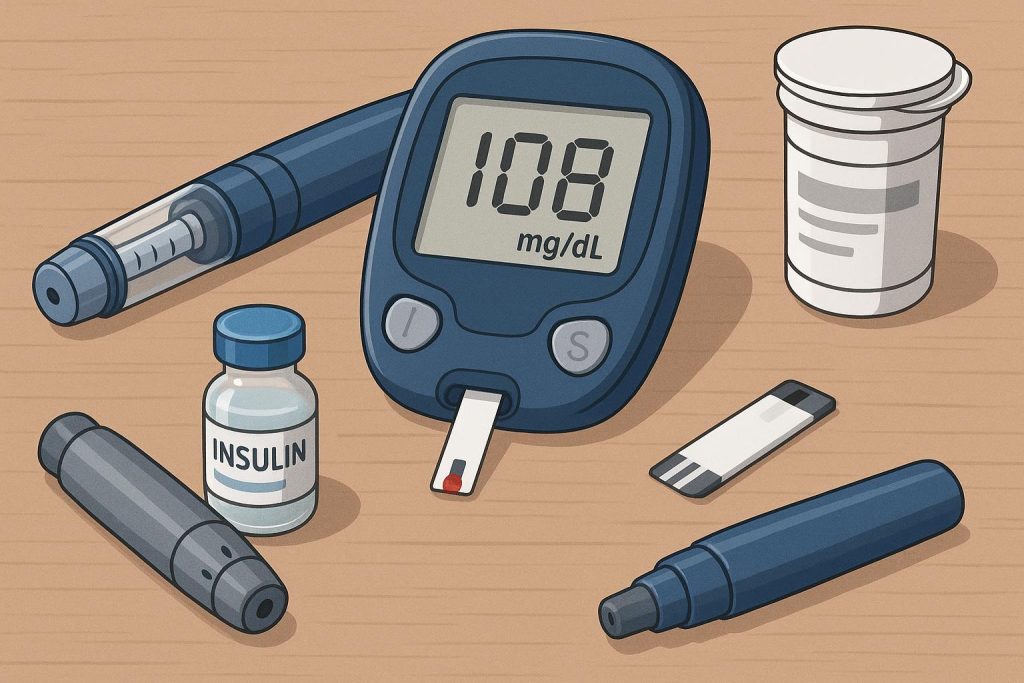
Since there is no treatment for T1D, professionals recommend insulin therapy, carbohydrate counting, and blood glucose monitoring to manage the disease. Insulin therapy involves daily injections of synthetic insulin to regulate glucose levels. Patients can use syringes or disposable insulin pens to inject insulin, or insulin pumps that deliver the insulin via catheters.
Since carbohydrates (carbs) are broken down into glucose, patients are advised to count the amount of carbs in their meals and match that with the suitable insulin dose using the recommended insulin-to-carb ratio. Lastly, a self-monitoring blood glucose (SMBG) device helps patients take multiple tests daily to ensure glucose levels are within healthy parameters.
About Rodney Goodie
Rodney Goodie is the chief executive officer of the St. Hope Foundation, a Houston-based Federally Qualified Health Center he founded in 1999. With over two decades of leadership experience in healthcare management, he oversees operations, budgeting, and community outreach initiatives that expand access to care. Mr. Goodie holds a master’s degree in healthcare administration from Texas Tech University and is pursuing a doctorate in public health at Emory University. His work reflects a lifelong dedication to improving preventive healthcare and community wellness.