


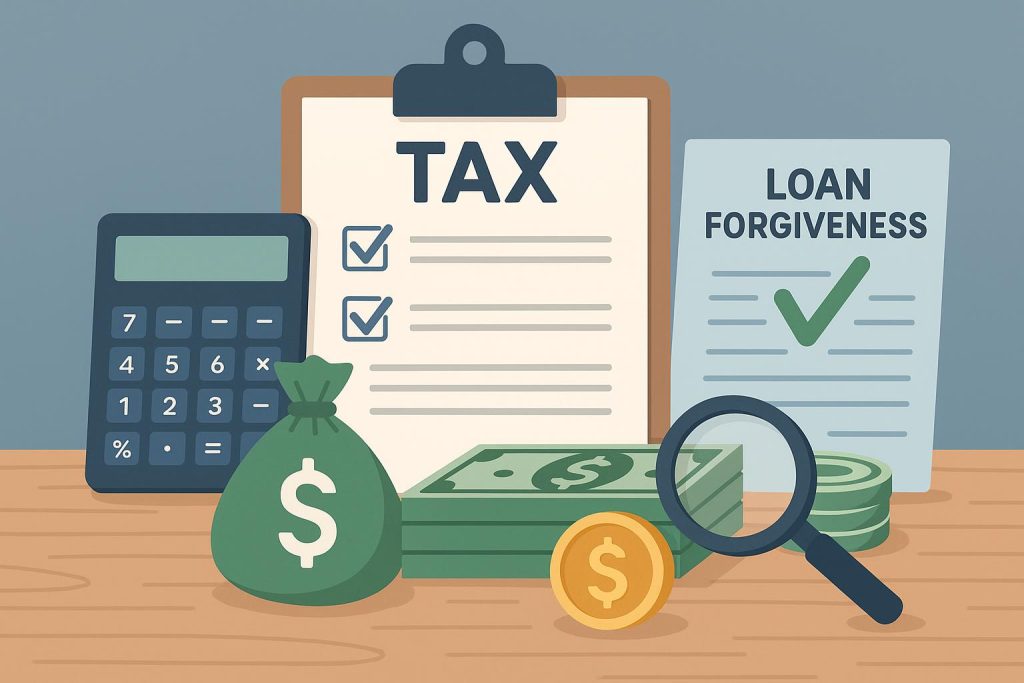
When Loan Forgiveness Isn’t the End of the Story
Contents
Many people breathe a sigh of relief when a loan is forgiven. The debt disappears, but the tax implications often arrive in its place. The IRS generally treats canceled debt as taxable income, meaning you could owe money even after your financial obligation is wiped out. This surprises a lot of borrowers, especially when they thought forgiveness would finally give them breathing room. It’s similar to how some ask, is Freedom Debt Relief legit?—people want reassurance that they won’t be caught off guard by hidden complications. Understanding how the tax system views loan forgiveness can help you prepare and avoid an unpleasant bill during tax season.
Why Forgiven Debt Counts as Income
To the IRS, forgiven debt is essentially money you received but didn’t repay. Imagine you borrowed $10,000 and only had to pay back $6,000. The $4,000 difference is seen as a financial benefit, and the IRS often taxes it like income. While this can feel unfair, it’s based on the principle that you’ve gained value without directly earning it. For many, this is a frustrating reality because the very act of needing loan forgiveness usually signals financial strain, yet taxes still come into play.
Key Exceptions for Student Loan Forgiveness
Not all forgiven loans are taxed. Federal student loan forgiveness tied to public service work or certain hardship situations is often exempt. For example, teachers, nonprofit workers, and government employees can qualify for Public Service Loan Forgiveness, where the canceled balance does not count as taxable income. Similarly, borrowers discharged due to permanent disability or schools closing may also be protected. These exceptions are life changing for those who qualify, but they require strict eligibility and documentation.
Non-Student Loans: A Different Story
When it comes to mortgages, personal loans, or credit cards, forgiveness usually comes with a tax cost. If your lender cancels a portion of your balance, you will likely receive a 1099-C form reporting the forgiven amount as income. That number then feeds directly into your taxable income for the year. Unless you fit into one of the IRS’s narrow exceptions—such as insolvency, where your debts outweigh your assets—you’ll probably owe taxes. For homeowners, certain mortgage relief programs have had temporary exceptions, but these often expire or change depending on legislation.
The Insolvency Exception
The insolvency exception is one of the most common ways borrowers reduce or eliminate the tax burden from forgiven debt. If you can show that, at the time the debt was forgiven, your total debts were greater than the value of your assets, you may qualify to exclude some or all of the canceled amount from taxable income. This requires careful record-keeping and often professional guidance, but it can save thousands of dollars in taxes.
Planning Ahead for Tax Consequences
If you’re pursuing a loan forgiveness program, planning for the tax side is just as important as qualifying for the forgiveness itself. Setting aside savings, consulting a tax advisor, or understanding your potential liabilities ensures you aren’t blindsided. For student loans, it’s vital to know which forgiveness programs come with tax exemptions and which do not. For other types of debt, being realistic about your financial position and exploring exceptions like insolvency can help.
The Role of Professional Advice
Taxes and debt forgiveness intersect in complex ways. While general rules exist, your individual financial circumstances can change the outcome. Tax professionals can explain IRS rules and help calculate whether exceptions apply to you. They can also help plan strategies for repayment or forgiveness that minimize tax exposure. For example, timing forgiveness in a year where your income is lower could soften the tax hit.
Final Thoughts
Loan forgiveness can feel like freedom, but without preparation, it can also create new challenges. From student loan exemptions to the taxable reality of canceled consumer debt, the details matter. Knowing whether your forgiven debt will be taxed gives you the power to plan ahead, protect your finances, and avoid another round of stress. While forgiveness wipes the slate clean in one sense, the IRS may still want its share. Staying informed and proactive ensures that financial relief truly becomes a step toward stability rather than another unexpected setback.