


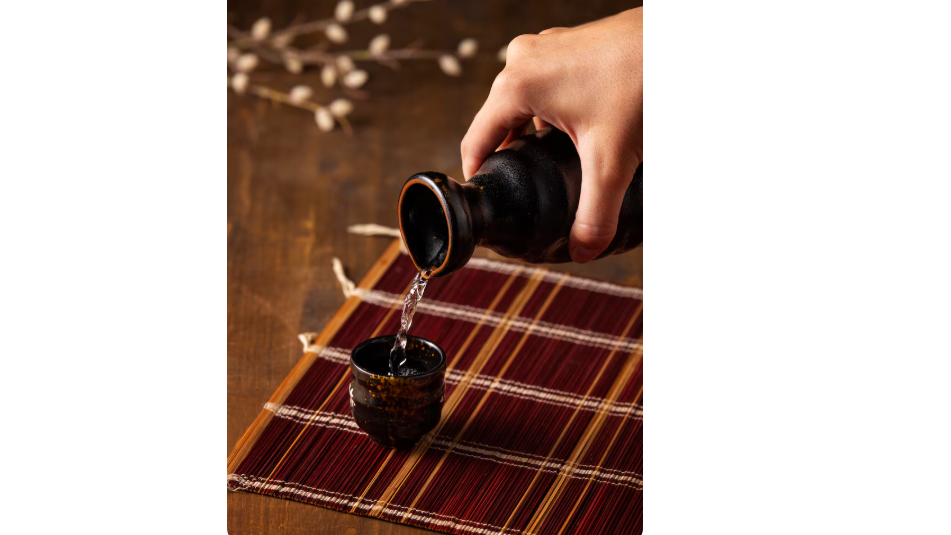
Renowned for its intricate art and craftsmanship, Japanese whisky has captured the attention of enthusiasts and connoisseurs globally. In the world of spirits, Japanese whisky stands out, not just for its distinct flavours but also for its dedication to excellence and innovation. When exploring the diverse selection of Japanese whiskies, one might consider browsing a platform like ShopChangi for an array of options.
Origins and Influences
Contents
The inception of Japanese whisky can be traced back to the early 20th century. It was during this period that the pioneers of Japanese whisky, Masataka Taketsuru and Shinjiro Torii, sought to emulate the effectiveness of Scottish whisky-making methods. Taketsuru’s studies in Scotland provided him with insight into the complexities of malt whisky production, which he then applied on his return. The establishment of commercial whisky production in Japan can largely be attributed to their endeavours, leading to the foundation of both Suntory and Nikka, the nation’s two most prominent whisky producers.
Production Techniques
Unlike some other international whiskies, Japanese whisky producers prioritise precision and meticulousness throughout the crafting process. The production of Japanese whisky involves multiple phases, from the selection of raw materials such as barley and malt to the distillation and maturation processes. Distilling methods widely reflect those developed in Scotland, yet Japanese manufacturers are known for their unique experimentation. They often introduce different yeast strains and cask types, including American oak, sherry, and even the indigenous Mizunara oak, which imparts a distinctive aromatic profile.
Maturation and Environment
The topography and climatic conditions of Japan significantly influence the maturation process. The country’s varied climate, from the chilly northern regions to the humid southern areas, affects the rate at which whisky ages. Cooler climates slow down the maturation process, allowing for nuanced and refined flavours to develop. The use of Mizunara oak is noteworthy for its impact on flavour, lending complex characteristics of sandalwood and oriental spice which are much sought after by whisky aficionados.

Iconic Brands and Offerings
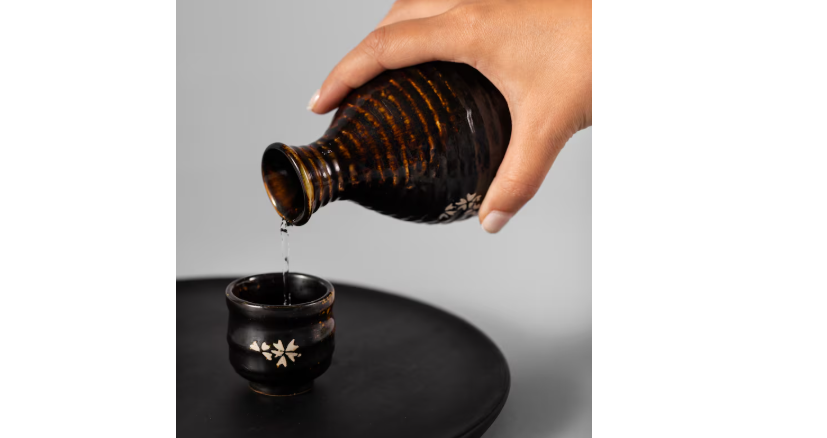
Japanese whisky brands are as varied as they are respected. Suntory and Nikka dominate the scene, but there exist several lesser-known producers that contribute to the diversity of this spirit. Suntory’s Yamazaki and Hibiki, alongside Nikka’s Yoichi and Miyagikyo, frequently receive accolades in international competitions, underscoring their global prestige.
Yamazaki is particularly famed for its exquisite balance and fruit-forward profile, while Hibiki is celebrated for its harmonious blend of malts and its alluring complexity. Nikka’s distilleries offer a contrast with Yoichi’s robust and peaty expressions compared to the fruitier and gentler notes found in Miyagikyo malts.
Emerging Distilleries and Innovation
Though the giants like Suntory and Nikka command attention, a resurgence of small, independent distilleries is gradually reshaping the whisky landscape. These boutique distilleries bring fresh perspectives and novel approaches to whisky production. Innovations in mash bills, such as the inclusion of local grains and unique maturation techniques, are becoming more commonplace. This ongoing evolution reflects Japan’s openness to innovation while continuing to respect tradition.
Distinctive Characteristics
Differentiating Japanese whiskies from others primarily hinges upon their flavour profiles. Japanese producers often strive for a balance and purity that can be tasted in the whisky’s texture and finish. There is an emphasis on subtlety rather than overwhelming the palate with bold or sharp flavours. The culmination of sweet, fruity, and floral tones with hints of spice and smoke presents a complexity that appeals to both new and experienced whisky drinkers.
Versatility and Enjoyment
The versatility of Japanese whisky allows it to be enjoyed in numerous ways. Traditionally served neat or with a splash of water, its nuances are best appreciated when consumed in simpler forms. However, it also forms the base of many innovative cocktails, balancing perfectly with a wide variety of mixers. The culture of drinking whisky highballs, which combines whisky and soda water, has gained momentum, providing a refreshing take on whisky consumption.
Global Recognition
In recent years, Japanese whisky has enjoyed a meteoric rise in recognition, rivalling the esteemed Scottish and Irish whiskies. Not only do these whiskies command respect in the world of spirits, but they have also become highly sought after by collectors, often fetching premium prices at auctions. High demand can sometimes lead to supply constraints, and consequently, a greater interest in exploring diverse aged and non-aged expressions continues to grow.
Conclusion
In a relatively short span of time, Japanese whisky has garnered a reputation for quality and craftsmanship. As the industry continues to evolve, the respect for tradition combined with the innovative spirit of Japanese whisky producers ensures that their celebrated offerings remain at the forefront of the whisky world. Exploring Japanese whisky can be an enlightening journey, revealing both the depth and creativity characteristic of this compelling spirit.