


There’s no shortage of iPad cases to choose from, which is exactly the problem. Search for “best iPad case,” and you’ll get dozens of near-identical lists, most of them recommending the same three or four big names without much explanation of who each one is actually right for. An iPad case isn’t a one-size-fits-all purchase. A case built for a student cramming it into a backpack between classes is a very different product from one built for an artist who wants a stable drawing angle, or a professional who uses their iPad as a second monitor all day.
So instead of another generic ranking, here’s a breakdown of the case styles that are actually worth your money in 2026, organized by what you’ll use your iPad for, along with a few of the most well-regarded names in each category.
For Everyday Protection and a Solid Stand: The Best All-Rounder
Contents
- For Everyday Protection and a Solid Stand: The Best All-Rounder
- For Maximum Ruggedness: Built to Survive Drops
- For Minimalists: Apple’s Own Smart Folio
- For Budget Shoppers: Solid, Unglamorous Protection
- For Artists and Note-Takers: Stability Matters More than Toughness
- What Actually Separates a Good Case from a Forgettable One
- The Bottom Line
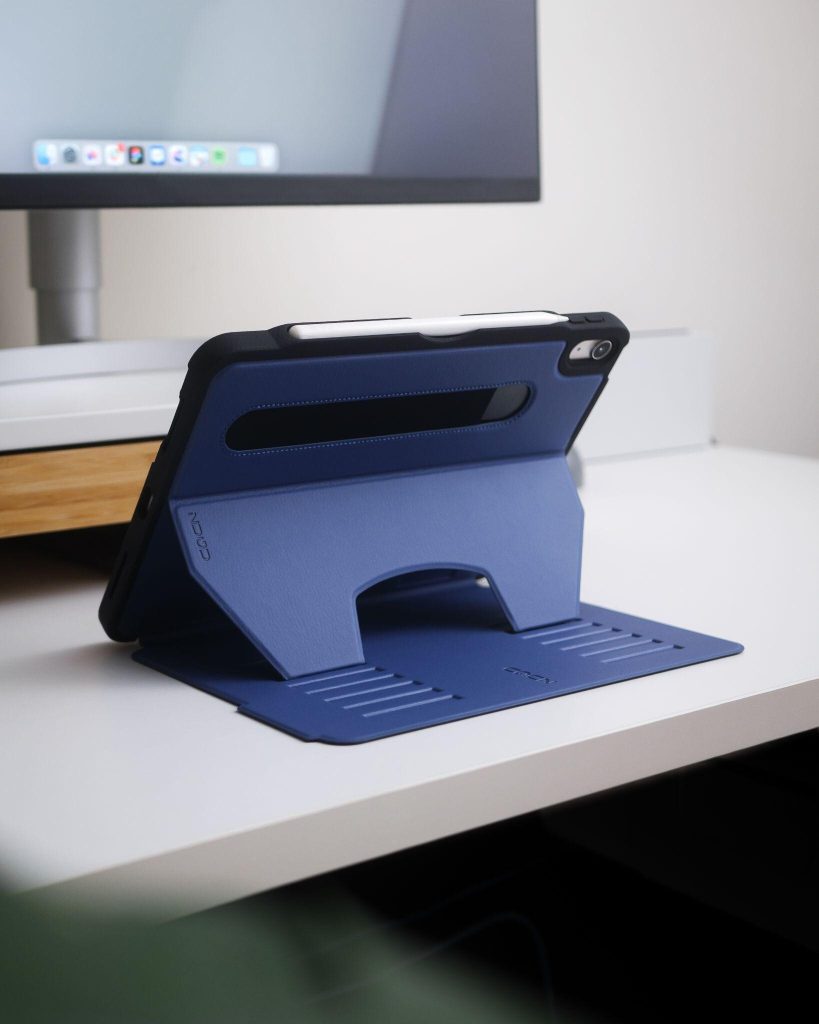
If you want one case that handles most situations well, look for a design built around a genuinely adjustable, multi-angle stand rather than a single flip-up kickstand. This is the category where ZUGU has built its reputation. Its full lineup of iPad cases is built around a stand that rotates through a wide range of angles and locks in place, paired with reinforced corners and a shock-absorbing shell, which makes it a strong pick whether you’re propping the iPad up to watch something, take notes in a lecture, or join a video call. It’s a good example of a case that’s genuinely designed around how people use an iPad throughout the day, rather than just protecting it while it sits in a bag.
For Maximum Ruggedness: Built to Survive Drops
If your iPad genuinely lives a hard life, on a job site, in a warehouse, or in the hands of a toddler, this is where the heavy-duty names earn their reputation. OtterBox is the brand most people think of first here, and it’s earned that recognition with cases built around multiple layers of shock absorption and reinforced port covers. Urban Armor Gear (UAG) sits in a similar space, with a more industrial, exposed-frame look that some users prefer aesthetically. Both trade a bit of bulk and weight for genuinely serious drop protection, which is a fair trade if you actually need it.
For Minimalists: Apple’s Own Smart Folio
If you mostly want something that protects the screen, adds a bit of grip, and disappears into the background, Apple’s own Smart Folio remains a solid, if fairly basic, option. It’s slim, uses magnets to attach cleanly, and matches the iPad’s design language exactly, since Apple makes both. What it doesn’t offer is much drop protection for the corners or back panel, so it suits people who are careful with their devices and mostly want a cover rather than armor.
For Budget Shoppers: Solid, Unglamorous Protection
Brands like Speck and ESR have built loyal followings by offering decent protection at a lower price point than the premium names. These won’t have the same drop ratings or the most refined hinge mechanisms, but for a lot of casual users, especially anyone who wants basic protection while they decide what they actually want long-term, they’re a perfectly reasonable starting point.
For Artists and Note-Takers: Stability Matters More than Toughness
If you use an Apple Pencil regularly, what matters most isn’t drop protection; it’s how stable the case is while you’re drawing or writing at an angle. Look for a case with a stand that locks firmly, rather than one that can be nudged out of position mid-stroke, and, ideally, a dedicated pencil holder so it doesn’t roll off the desk between uses. This is another area where the adjustable-stand cases, ZUGU included, tend to outperform simpler folio designs, since a wobbly stand is genuinely disruptive when you’re trying to draw a straight line.
What Actually Separates a Good Case from a Forgettable One
A few things are worth checking regardless of which category you’re shopping in. First, how the case handles drops at the corners specifically, since that’s where most real-world damage happens. Second, whether any moving parts (a stand, a hinge, a magnetic fold) feel solid rather than flimsy when you test them, since these are usually the first thing to fail on a cheaper case. Third, what the company actually stands behind its product with. A real warranty or repair policy tells you a lot more about a brand’s confidence in its own durability than the marketing copy does.
It’s also worth reading a handful of recent reviews rather than just the star rating. A case that scores well overall but has a cluster of recent complaints about a cracking hinge or peeling material is telling you something a four-star average won’t. And if you’re buying for a specific iPad model, double-check that the case is cut for that exact generation. Camera arrays and button placement shift often enough between models that a case built for last year’s iPad won’t always line up cleanly with this year’s.
The Bottom Line
The “best” iPad case genuinely depends on how you use your iPad, and it’s worth resisting the urge to buy whatever’s most recognizable. If you spend your day propping your iPad up for calls, notes, or drawing, a case built around a proper adjustable stand, like ZUGU’s lineup, will serve you better day-to-day than a rugged case that’s overbuilt for protection you don’t need. Your iPad might genuinely get dropped from height or covered in dust at work. If that’s the case, lean toward the more rugged iPad covers. And if you just want a clean, simple cover, Apple’s own accessories are a perfectly fine choice.
Whichever direction you go, the same test applies: does the case match how you actually use the device, not just how tough it looks on a shelf?