


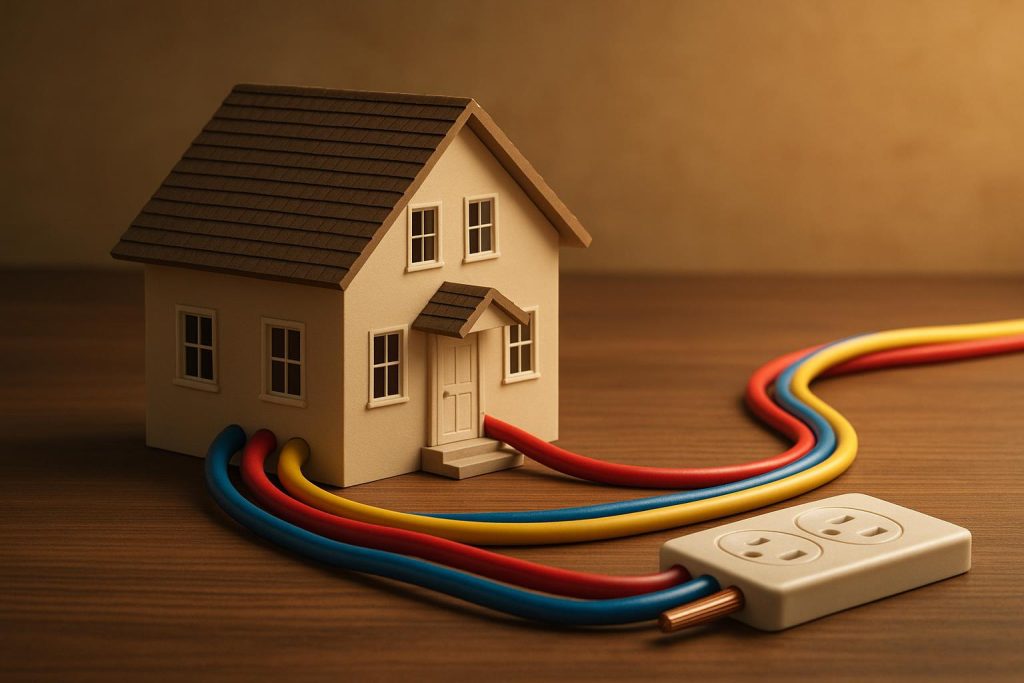
Homeowners often spend a lot of time picking out floor tiles, paint colours, and kitchen layouts. But when it comes to electrical wiring, these decisions are usually made quickly and with less thought than other parts of the project.
Completely understandable. Wiring is invisible; it sounds technical and compared to everything else happening on a build or renovation, it feels like the least interesting conversation in the room. Except it’s also the one decision that stays inside your walls for the next twenty, maybe thirty years. So, it’s worth five more minutes than most people give it.
Importance of source
Contents
For example, in one renovation, a homeowner delegated all material decisions, including wiring, to the contractor. Within a year, an electrician identified early signs of heat damage in some wiring, which required replacement. The issue was traced back to the use of lower-quality materials.
Picking a good electrical wire company isn’t just fussy. Things like how pure copper is, how thick the insulation feels, and how much load it can matter. These things determine whether you’re wiring just works or give you trouble later. A decent company will tell you what’s in their wires, so you know what you’re getting.
The case for FR wires
Flame-retardant (FR) wires are often first discussed during renovations, and it is important to understand their role. FR wires use insulation that resists ignition and slows the spread of fire in the event of an electrical fault. While they do not make a building fireproof, they provide valuable additional time to respond in case of an emergency.
That extra time before a fire spread can really matter. FR wires are good for places like kitchens or utility rooms where there’s more load. They don’t cost much more for the whole house, but they make things a lot safer in the long run.
Questions worth asking before work starts
Most people don’t ask nearly enough before the wiring goes in. A few that actually matter what grade of copper is being used, whether the insulation meets current IS standards, and whether FR wires are being used specifically in the higher-load areas. None of these are difficult questions. They just tend not to get asked because everyone’s focused on the parts of the project they can actually see.
Conclusion
There’s no going back to check once the plastering is done. Whatever’s in there is in there, and it’ll either hold up or it won’t. The wiring behind your walls is either doing its job quietly and safely, or it’s waiting to become somebody’s expensive problem. Getting that decision right from the start, asking the questions, choosing materials that are built properly, is just the less complicated version of things.