


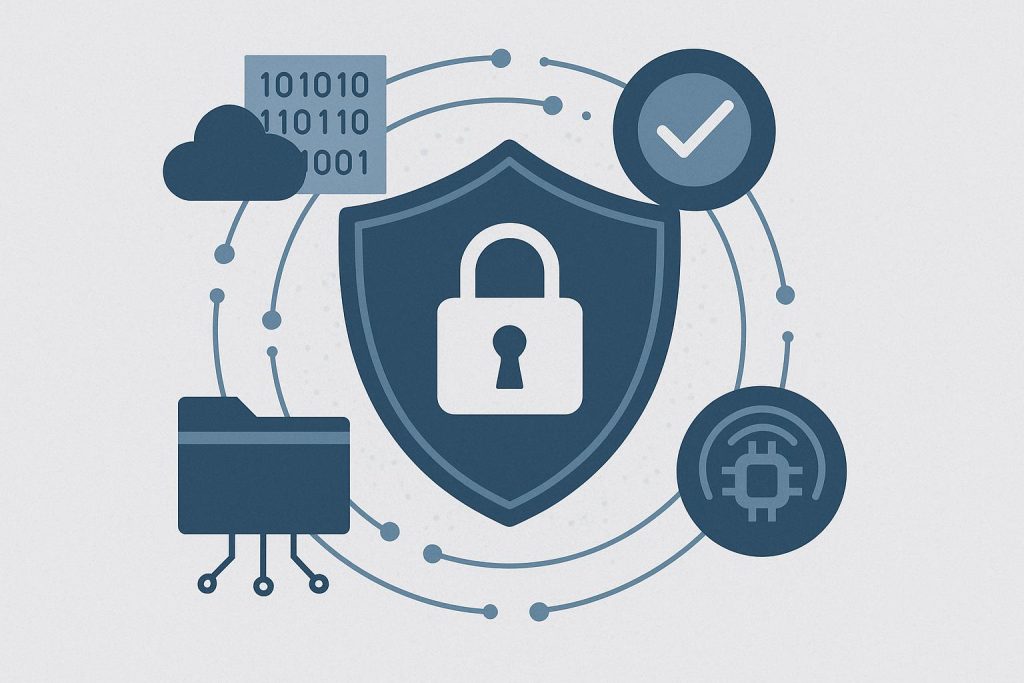
As organizations increasingly rely on digital tools and cloud-based platforms, data has become one of their most critical assets. With digital transformation reshaping business models, customer engagement, and operational scaling, the need for robust data protection has evolved from a technical concern into a strategic priority. Rising cyber threats, stringent privacy regulations, and heightened customer expectations are all factors pushing data protection to the forefront of business operations. It is no longer solely the responsibility of IT teams but a shared duty across the organization, impacting business continuity, brand reputation, and long-term success.
The Digital Transformation Imperative
Contents
- The Digital Transformation Imperative
- Escalating Cybersecurity Threats
- Regulatory Pressures and Compliance Requirements
- Customer Trust and Brand Reputation
- Operational Resilience and Business Continuity
- The Role of Partners in Data Protection
- Strategies for Strengthening Data Protection
- Conclusion: A Strategic Priority for the Future
Digital transformation is reshaping nearly every aspect of business. Companies are modernizing legacy systems, embracing emerging technologies like artificial intelligence and automation, and reimagining their business models to remain competitive.
As more digital platforms are integrated into daily operations, the volume of data exchanged grows exponentially. While leveraging these technologies can enhance productivity and innovation, it also increases vulnerabilities. Each new digital touchpoint introduces potential security risks, making comprehensive data protection a non-negotiable requirement.
Escalating Cybersecurity Threats
Cybersecurity threats have become a pervasive and growing concern for businesses across industries. Companies face threats such as ransomware, phishing attacks, insider breaches, and sophisticated malware. The tactics employed by cybercriminals are evolving, with ransomware attacks now including double extortion, where attackers encrypt data and threaten to release sensitive information unless a ransom is paid.
Proactive data protection strategies are essential for minimizing the impact of breaches and ensuring swift recovery from these evolving threats. Without a strong framework, companies face severe risks, including devastating financial losses, major operational disruptions, and long-term damage to their reputation. Therefore, prevention, preparation, and resilience are the cornerstones of effective security.
Regulatory Pressures and Compliance Requirements
The increasing global regulatory landscape is a significant driver of data protection efforts. Governments and industry organizations worldwide have implemented strict data privacy laws designed to safeguard individuals’ personal information. Key regulations, such as the European Union’s GDPR and the California Consumer Privacy Act (CCPA), mandate rigorous standards for the collection, storage, and sharing of data.
Non-compliance can result in heavy fines, legal consequences, and loss of customer trust. Data protection is an ongoing commitment, requiring continuous governance, monitoring, and enforcement. Organizations must have a clear understanding of where data resides, how it flows, who has access, and how it is protected at every stage of its lifecycle.
Customer Trust and Brand Reputation
Customers now expect organizations to take responsibility for safeguarding their personal data. High-profile data breaches and privacy violations have demonstrated how quickly customer trust can erode, even for established brands. Companies that prioritize data protection and demonstrate transparency in their data management practices stand to build stronger relationships with their customers.
When consumers feel confident that their data is protected, they are more likely to engage with the brand, share personal information, and participate in loyalty programs. A strong commitment to data protection signals to customers that their privacy is valued and that the organization is serious about security, thus differentiating the business in a crowded marketplace.
Operational Resilience and Business Continuity
Data protection is not just about preventing breaches; it is also about ensuring that critical information is always available when needed. In today’s interconnected world, data loss can occur due to natural disasters, system failures, human error, or cyberattacks. Without reliable backup and recovery systems, organizations may face significant downtime or struggle to resume normal operations after a breach.
A comprehensive data protection strategy should include cybersecurity measures, but it must also incorporate robust backup solutions, disaster recovery planning, and replication systems to ensure that data can be recovered quickly and operations can continue with minimal disruption. This holistic approach strengthens operational resilience and ensures business continuity in the face of unexpected challenges.
The Role of Partners in Data Protection
Effective data protection requires a combination of expertise, infrastructure, and continuous oversight. Many organizations turn to specialized service providers to enhance their data protection capabilities. These vendors offer the tools, technology, and resources needed to manage data securely and in compliance with regulations.
One such resource is https://corodata.com/, which supports organizations in implementing structured information management and protection solutions. With expertise in secure records storage, digital information services, and data lifecycle management, they help businesses protect their information assets while optimizing processes and reducing risk.
Strategies for Strengthening Data Protection
To safeguard data effectively, organizations must take a comprehensive, strategic approach. Here are key elements to consider:
- Comprehensive Data Mapping
Understand what data is collected, where it resides, how it flows through systems, and who has access. Data mapping reveals vulnerabilities and helps prioritize protection efforts. - Robust Security Architecture
Implement layered security defenses such as firewalls, encryption, access controls, and intrusion detection systems. A modern security architecture adapts to evolving threats and minimizes exposure. - Data Governance and Policies
Establish clear policies governing data usage, retention, access rights, and compliance. Effective governance ensures consistency and accountability across the organization. - Employee Training and Awareness
Human error remains a leading cause of data breaches. Educate employees on best practices for data protection, security protocols, and how to identify and respond to potential threats. - Backup and Disaster Recovery Planning
Ensure that critical data is regularly backed up in secure environments, and that recovery plans are tested regularly. This minimizes the impact of data loss and speeds up recovery. - Continuous Monitoring and Improvement
Data protection is an ongoing process. Regular audits, monitoring tools, and risk assessments help organizations stay ahead of emerging threats and continuously improve their defenses.
Conclusion: A Strategic Priority for the Future
As digital transformation accelerates and the digital landscape becomes increasingly complex, the importance of data protection will only continue to grow. Organizations must treat data protection as a core strategic priority, embedding it into their governance, business planning, and daily operations. By prioritizing data protection, businesses not only safeguard their customers’ information but also secure a competitive advantage, enhance resilience, and build trust. With proactive strategies, supported by trusted partners and best-in-class practices, organizations can navigate the digital age with confidence, agility, and security.