


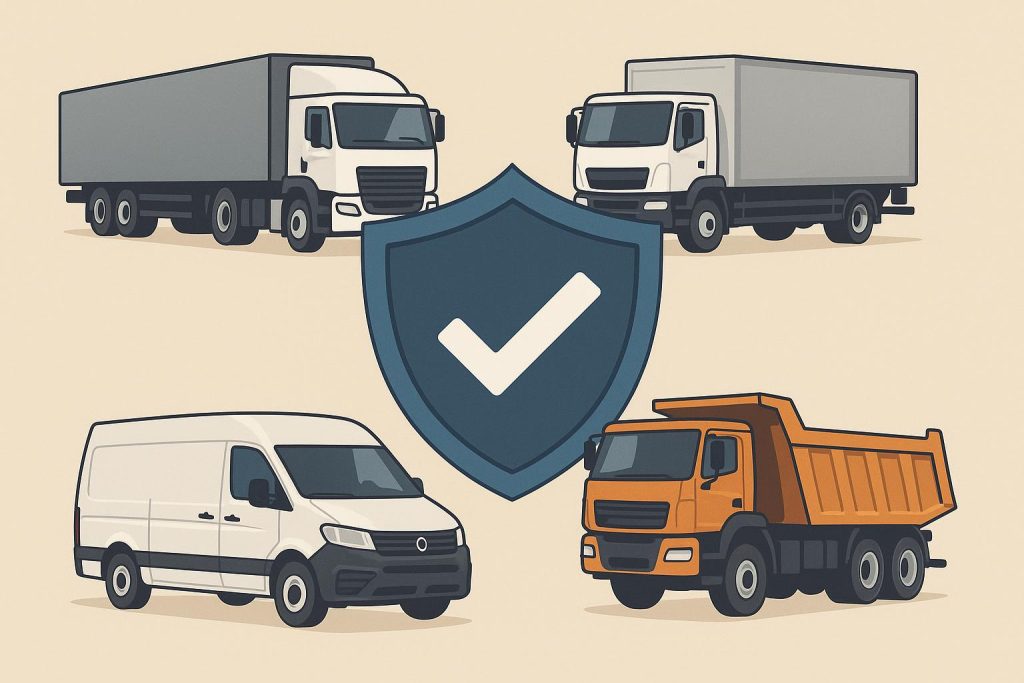
Businesses across industries depend on vehicles to transport goods, carry passengers and support daily operations. Whether it is a delivery van, a taxi or a bus, having appropriate insurance coverage can help address financial liabilities arising from covered events. Since different businesses have different requirements, several types of commercial vehicle insurance policies are available to suit various operational needs.
Understanding these options can help vehicle owners choose coverage that aligns with how their vehicles are used.
Understanding Vehicle Insurance for Commercial Use
Contents
The vehicle insurance policies for commercial purposes are designed to provide protection for vehicles used in business activities. Depending on the policy selected, coverage may extend to third-party liabilities, damage to the insured vehicle and other risks specified in the policy terms.
The type of insurance required often depends on factors such as vehicle category, usage pattern and applicable legal requirements.
Types of Commercial Vehicle Insurance
Third-Party Commercial Vehicle Insurance
Third-party insurance is generally required under applicable motor vehicle regulations. It primarily covers liabilities arising from injury, death or property damage caused to third parties due to the insured vehicle.
While it helps meet legal requirements, it does not typically cover damage sustained by the insured commercial vehicle itself.
Comprehensive Commercial Vehicle Insurance
Comprehensive insurance offers broader coverage than a third-party policy. In addition to third-party liabilities, it may provide protection against damage to the insured vehicle arising from covered events such as accidents, theft, fire or certain natural calamities.
Many businesses choose comprehensive coverage because it combines multiple forms of protection within a single policy.
Goods Carrying Vehicle Insurance
Vehicles used to transport goods often face operational risks that differ from those encountered by passenger vehicles. Goods carrying vehicle insurance is designed for commercial vehicles such as trucks, lorries, pickup vehicles and delivery vans used for transporting cargo.
The policy structure may vary depending on the vehicle type, usage and coverage selected.
Passenger Carrying Vehicle Insurance
Businesses involved in transporting passengers may require insurance tailored to their operations. This category commonly includes taxis, auto-rickshaws, school buses, staff transport vehicles and other passenger-carrying vehicles.
Coverage requirements may differ based on factors such as seating capacity and the nature of transportation services provided.
Specialised Commercial Vehicle Insurance
Certain businesses use vehicles for specialised purposes that may not fall within conventional categories. Examples may include construction vehicles, agricultural vehicles or other industry-specific equipment used on roads.
Specialised policies can be designed to address the unique risks associated with these risks.
Add-Ons Available with Commercial Vehicle Insurance
Roadside Assistance
This add-on may provide support in situations such as breakdowns, flat tyres or battery-related issues.
Zero Depreciation Cover
Subject to policy terms, this cover may help reduce depreciation-related deductions during claim settlement.
Engine Protection Cover
This add-on may provide coverage for certain engine-related damages that may not be included under the standard policy.
Return to Invoice Cover
In specified situations, this add-on may help bridge the gap between the invoice value and the claim amount payable.
Many insurers, including TATA AIG, offer a range of policy options and add-on covers that businesses can evaluate according to their operational requirements.
Conclusion
Commercial vehicles are often central to daily business activities, whether they are transporting goods, carrying passengers or supporting field operations. Because the risks can vary from one business to another, it helps to understand the different insurance options available. Taking the time to compare policy types and coverage features can make it easier to choose protection that suits the way the vehicle is actually used.