


The Science Behind Plasma: Why It Matters
Contents
What is Plasma and How Does It Function in Our Bodies?
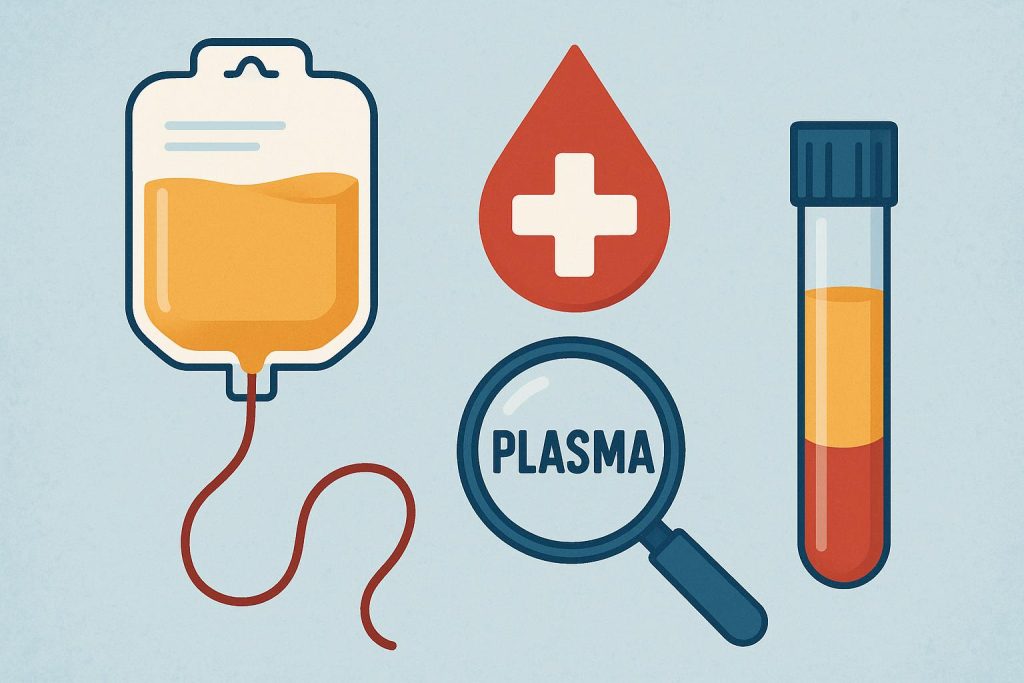
Plasma is a crucial component of human blood, accounting for about 55% of its overall volume. It is a pale yellow liquid composed primarily of water (approximately 90%), electrolytes, proteins, hormones, and waste products. Its primary function is to act as a medium for transporting various substances throughout the body, providing an essential role in maintaining homeostasis. Plasma carries nutrients to cells, removes waste products, and facilitates the transport of hormones that regulate physiological processes. Additionally, plasma proteins, such as albumin, fibrinogen, and globulins, play vital roles in blood clotting, immune responses, and maintaining the oncotic pressure of the blood, which is essential for fluid balance in the body.
The Role of Plasma in Medical Treatments and Therapies
Plasma is indispensable in the realm of medicine, especially in treating a range of conditions that can severely impact a patient’s quality of life. It is primarily used in the production of clotting factor concentrates for patients with hemophilia, providing them with the necessary components for blood coagulation. Furthermore, plasma transfusions can be life-saving for trauma patients, those undergoing surgery, or individuals with severe burns, as they help restore blood volume and facilitate healing. Beyond immediate intervention, plasma is also processed to create various therapies, such as immunoglobulins, which are vital for treating immune deficiencies, and albumin solutions, used in large-volume blood loss scenarios. As medical research continues to evolve, the ability to harness and manipulate plasma components opens doors for innovative treatments for diseases such as autoimmune disorders, hepatitis, and certain types of cancers.
Current Research Trends: The Future of Plasma in Medicine
Recent advancements in biomedical research are increasingly focusing on plasma’s potential for therapeutic applications. One area of exploration is the development of blood substitutes that could mimic plasma’s properties and provide a safer alternative for transfusions. Researchers are also investigating the potential of plasma-derived products in regenerative medicine, where specific proteins found in plasma may aid in tissue repair and regeneration. Furthermore, the rise of precision medicine tailoring treatments based on individual patient profiles aligns well with plasma research, as developing personalized plasma therapies could enhance effectiveness in treating chronic diseases. Additionally, the advent of new purification technologies is improving the efficiency of plasma protein extraction, making it possible to isolate and utilize various plasma components for specific medical conditions, thus reshaping the landscape of medical treatments.
Pioneering Plasma Donation: A Life-Saving Process
The Step-by-Step Process of Plasma Donation: What to Expect
Plasma donation is a straightforward yet vital process, with each donation taking between 60 to 90 minutes. Typically, the process begins with a thorough screening where potential donors fill out a health questionnaire and undergo a brief physical examination. This step ensures that the donor meets specific health criteria and is suitable for donation. Once cleared, the donor is seated in a comfortable reclined chair. A trained phlebotomist will apply a tourniquet, cleanse the skin, and insert a sterile needle into a vein, usually in the arm. Blood is then drawn into a centrifuge, which separates the plasma from the red blood cells and other components. The remaining blood cells and platelets are returned to the donor’s circulation immediately. After the donation, donors are provided with refreshments to replenish lost fluids and energy, and are typically advised to rest for a few minutes before leaving. This replenishment is crucial, as it aids in quick recovery and ensures donors feel well after the procedure.
Understanding the Safety of Plasma Donation: Myths vs. Facts
The safety of plasma donation is a commonly discussed topic, and it is important to address prevalent myths. One myth is that donating plasma can be harmful physically. In reality, plasma donation is a safe procedure when performed in regulated environments by professionals. The body quickly replaces the donated plasma, typically within 24 to 48 hours. Another misconception is that plasma donation can lead to the depletion of essential nutrients. However, reputable plasma donation centers take steps to ensure donors are healthy and well-nourished before donation. Furthermore, the process is regulated by health authorities, and potential donors are screened to minimize risks. Many donors report feeling a sense of accomplishment and satisfaction, as they are contributing to a cause that impacts lives positively. Understanding these aspects can alleviate concerns and encourage more individuals to consider becoming plasma donors.
How Long Does It Take and What Can You Donate?
Typically, the process of donating plasma can take anywhere from one to two hours, accounting for both the donation itself and the necessary screening and recovery time. Donors can generally give plasma once every two weeks, as it takes the body several days to replenish the plasma volume. During each donation, approximately 600 to 800 milliliters of plasma is collected, roughly equivalent to a pint of fluid. This volume represents a small fraction of the total plasma in an adult human body, usually ranging between 3 to 4 liters. Plasma can be donated on its own, or alongside red blood cells in the case of a process called double red cell donation, where specific components are extracted while returning others to the donor. The versatility of plasma means that it can be utilized in various medical treatments, hence why plasma donation is critically important for hospitals and clinics needing a constant supply for processing into life-saving therapies.
The Ripple Effect: How Plasma Donation Saves Lives
Real Stories: Recipients of Plasma and Their Life-Changing Journeys
The impact of plasma donation goes beyond statistics; it is profoundly human. Consider the story of Sarah, a young woman diagnosed with a rare blood disorder that left her reliant on regular plasma transfusions to survive. Before discovering how plasma donation could help her, Sarah lived in fear of her declining health and uncertain future. After receiving many transfusions, she experienced significant improvements, which enabled her to function independently and pursue her dreams, such as completing her studies and even participating in local advocacy for blood donation. Stories like Sarah’s illustrate the critical role that plasma donors play in not just addressing immediate health crises but in transforming lives. Another story is that of John, a car accident survivor whose recovery hinged on a timely plasma transfusion due to massive blood loss. The quick action of medical staff, bolstered by the ongoing support from donors in the community, highlighted how a single act of kindness could ripple positively across countless lives. For every donation, there exists an unseen thread, weaving together the lives of donors and recipients into a narrative of hope, resilience, and recovery.
The Growing Demand for Plasma: What You Should Know
The urgency for plasma donation is escalating in correlation with advancements in medicine and an increasing patient demographic that relies on plasma-derived therapies. According to the World Health Organization (WHO), there’s been a marked increase in demand for both clotting factor infusions and immunoglobulin treatments, especially as health systems address chronic and complex health conditions. Countries are experiencing growing donor shortages, prompting an emphasis on educating the public about the crucial need for plasma. Factors contributing to this rise include an aging population, which typically requires more medical interventions, and the surge of conditions treatable with immunotherapy, often reliant on plasma-derived products. Additionally, the COVID-19 pandemic has brought awareness to the significance of convalescent plasma treatment, further enhancing the discourse around plasma donation. It is crucial for individuals to understand that each donation has the potential to save lives, reaffirming the importance of community engagement in blood and plasma donation initiatives.
How Plasma Donation Creates a Community of Care
Plasma donation fosters a profound sense of community and interconnectedness among donors and recipients alike. Each donation creates a tangible bond, as donors often learn about the direct impact their contributions have on treating patients. Many donation centers actively cultivate community through events, educational programs, and donor recognition campaigns that highlight the altruistic nature of donating plasma. The significant role of plasma donors is celebrated, leading to greater awareness and participation rates. This community ethos encourages conversation among friends and family, sparking interest and motivating others to consider becoming a donor. Engaging local media and sharing personal anecdotes on social platforms can help amplify the message of the importance of plasma donation. Ultimately, this sense of shared purpose not only saves lives but also strengthens the community as a whole, pinpointing collective responsibility in the healthcare system.
Getting Involved: Your Role in Plasma Donation
How to Find a Donor Center Near You: A Simple Guide
Finding a plasma donation center is relatively straightforward, and the process can often be completed in just a few clicks. Numerous websites and mobile apps provide a directory of donation centers based on geographical location. The American Red Cross, for instance, offers user-friendly online tools that allow individuals to search for local plasma donation opportunities, checking schedules and available appointments. Contacting local hospitals or blood banks can also yield information about plasma donation facilities in your area. Many organizations promote periodic donation drives at community centers, colleges, and civic organizations, making it easier for people to get involved. Once identified, potential donors should reach out to the center to verify eligibility requirements, as most centers have guidelines based on health status, age, and travel history. Creating a plan for regular donation can ensure a consistent impact in the community and deepen the relationship between donors and the recipients of their generosity.
The Benefits of Being a Plasma Donor: More Than Just a Good Deed
Being a plasma donor is often viewed as a purely altruistic act, but numerous additional benefits accrue to donors themselves. From a health perspective, regular donation can contribute to maintaining healthy blood pressure and iron levels, as the body adjusts to the temporary loss of plasma components. Additionally, many donation centers provide incentives such as compensation for time spent, discounts on health services, or opportunities for social engagement with fellow donors. Many centers host appreciation events or provide small tokens of gratitude, instilling a sense of belonging and community among donors. Furthermore, donating plasma is an opportunity to educate oneself about health issues, as donors will often be exposed to information about blood health and various diseases during the screening process. The sense of fulfillment gained from knowing that one’s donation can change lives is invaluable, contributing to a positive self-image and enhanced emotional well-being.
Engaging Others: Tips on Spreading the Word About Plasma Donation
Spreading awareness about plasma donation is critical in driving engagement and motivating others to participate. A powerful approach is sharing personal stories that resonate on an emotional level, as narratives about how plasma donations have significantly impacted lives can inspire action. Using social media platforms to post about donation experiences, alongside engaging visuals and graphics, can help in reaching a broader audience. Participating in or organizing community events centered on blood and plasma donation can further foster dialogue within local environments. Collaborating with influencers or local celebrities, who can highlight the cause to their followers, can exponentially increase outreach. Consider hosting informational sessions at schools, workplaces, or community centers to educate others about the importance of plasma and unveil myths that may deter individuals from donating. Every conversation, every share can contribute to a narrative change and encourage a culture of generosity within communities, ultimately translating to more lives saved through plasma donation.