


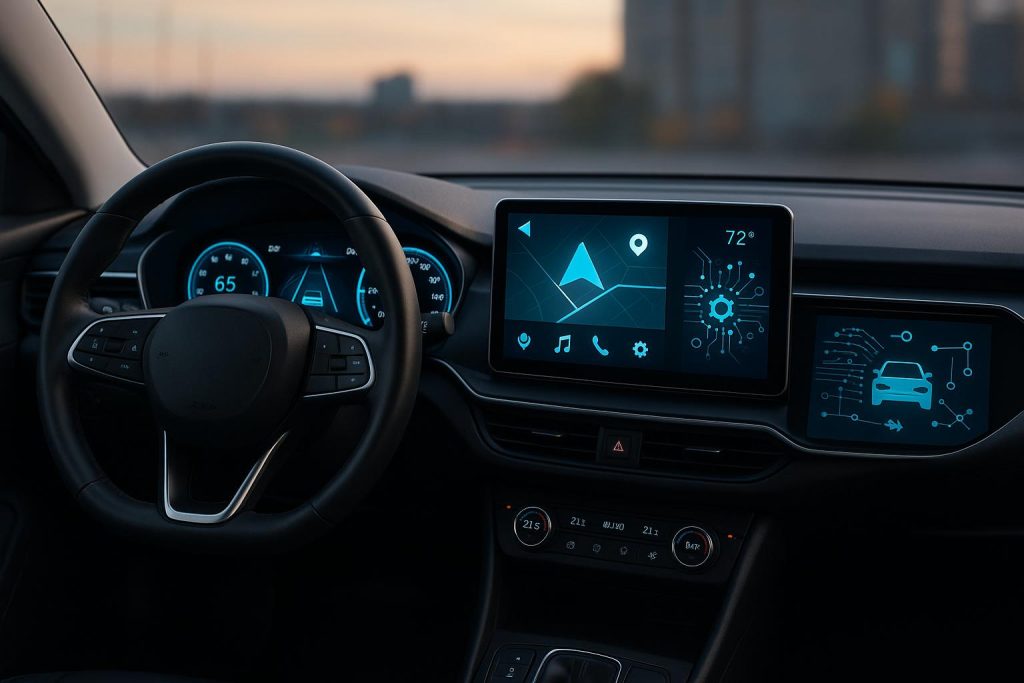
For most of automotive history, innovation centered on mechanical engineering. Engine performance, suspension design, and fuel efficiency were the main areas where manufacturers competed. Today, however, a different kind of transformation is underway. Modern vehicles are increasingly powered by sophisticated software systems that influence how cars perform, communicate, and interact with drivers.
This shift has led many experts to describe modern vehicles as “computers on wheels.” Software now controls everything from safety features and navigation to entertainment and driver assistance. As the automotive industry evolves, this digital transformation is reshaping what drivers expect from their vehicles.
Vehicles Are Becoming Digital Platforms
Contents
Earlier generations of vehicles used electronics only in limited ways, such as managing fuel injection or anti-lock braking systems. Today’s cars contain complex digital networks that manage dozens of functions at once.
Automotive software now supports systems such as:
- Engine and battery management
- Navigation and mapping
- Infotainment and connectivity
- Driver assistance technologies
- Vehicle diagnostics
This digital infrastructure allows vehicles to constantly monitor performance, improve efficiency, and support advanced features that enhance the driving experience.
Over-the-Air Updates Are Changing Car Ownership
One major development in automotive software is the ability to update vehicles remotely. Traditionally, improving vehicle systems required visiting a dealership for servicing or upgrades.
Modern vehicles can now receive over-the-air updates, similar to smartphones. These updates may improve navigation accuracy, enhance performance, or fix software bugs. In some cases, entirely new features can be introduced without the driver needing to visit a service center.
This capability allows vehicles to evolve over time rather than remaining fixed at the specifications they had when first purchased.
Driver Assistance Powered by Software
Software also plays a major role in modern safety technology. Advanced driver assistance systems rely on software that processes information from cameras, sensors, and radar.
Features such as adaptive cruise control, lane-keeping assistance, automatic emergency braking, and parking assistance depend on sophisticated software algorithms that analyze road conditions in real time.
These systems help improve road safety and are gradually paving the way for more advanced semi-autonomous driving technologies.
Connectivity and the Digital Driving Experience
Connectivity is another area where software is transforming vehicles. Drivers increasingly expect their cars to integrate seamlessly with their digital lives.
Many modern vehicles offer features such as:
- Smartphone integration
- Voice-controlled assistants
- Real-time traffic updates
- Music and media streaming
- Remote vehicle monitoring through mobile apps
These capabilities turn vehicles into connected environments where drivers and passengers can access information, entertainment, and navigation tools throughout their journey.
Smarter Maintenance Through Data
Software is also improving how vehicles are maintained. Modern cars collect data about engine performance, battery health, and other key components.
This data allows systems to identify potential problems early and alert drivers before issues become serious. Predictive maintenance reduces the likelihood of breakdowns and can help extend the lifespan of vehicles.
For businesses and fleet operators, this kind of data-driven monitoring can significantly reduce downtime and maintenance costs.
How the Software Shift Is Changing the Industry
The growing role of software is reshaping the entire automotive industry. Manufacturers now invest heavily in software development, digital platforms, and cloud-based systems.
Consumers are also evaluating vehicles differently. In addition to performance and design, buyers now consider infotainment systems, connectivity features, and digital capabilities when choosing a vehicle.
Drivers researching modern vehicles, including those searching for a Jeep for sale San Diego, often pay close attention to the technology included in newer models. Many dealerships, such as Carl Burger Jeeps, highlight vehicles that combine traditional automotive performance with modern software-driven features.
Looking Ahead
The role of software in vehicles is expected to grow significantly. Artificial intelligence, vehicle-to-vehicle communication, and cloud-based services will continue to expand the capabilities of modern cars.
Future vehicles may become even more intelligent, able to adapt to driver habits, anticipate road conditions, and continuously improve through software updates.