


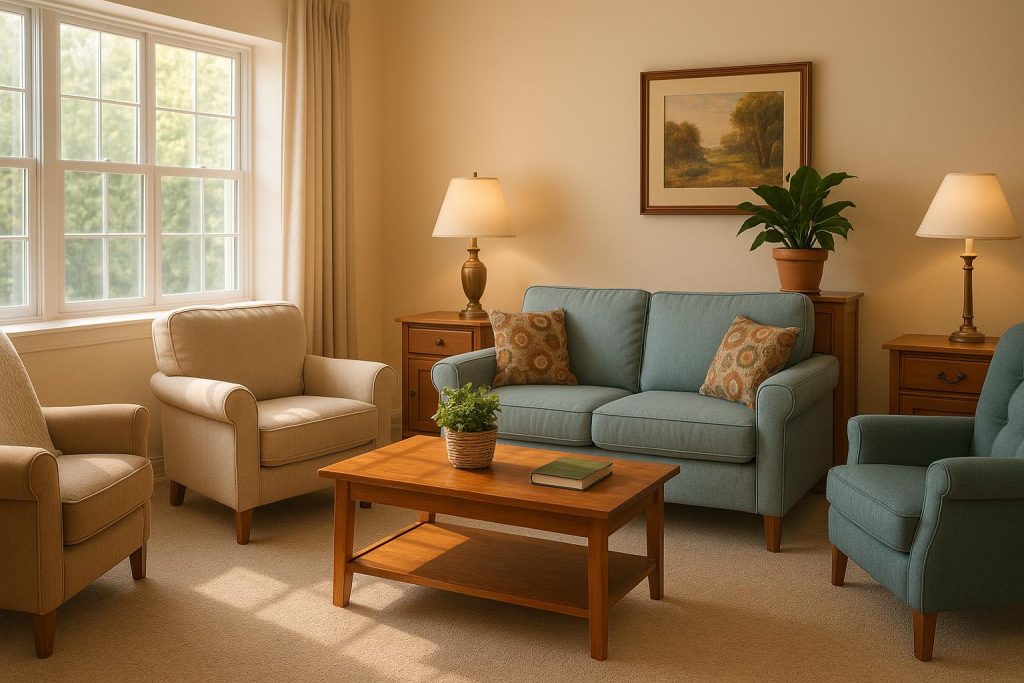
Home is a place built on the pillars of safety, routine, privacy, and recognition. For older adults, those cues may become even more important as mobility, memory, vision, or stamina changes. A strong assisted living setting protects health needs while preserving personal rhythm. Residents should feel seen as whole people, not care tasks. Families usually notice it in quiet signs, such as relaxed posture, steady appetite, better sleep, and easier conversation.
Local Belonging
Contents
Whether an older adult will adjust to their new surroundings depends on where the assisted living community is located. This is because familiar roads, climate, pharmacies, clinics, and family patterns reduce mental strain. A resource like Casa Grande assisted living may matter to older adults who benefit from local continuity, known surroundings, and easier visits. Living near trusted people can soften relocation stress and support orientation during early weeks.
Personal Space
A private room should protect identity as much as comfort. Framed photos, a favorite recliner, religious items, blankets, books, and bedside lighting help cue memory and promote calm. Staff can learn which items soothe anxiety or prompt conversation. Layout matters, too. Clear walking paths, reachable controls, and stable seating support independence without making the space feel clinical.
Respectful Support
Good care is skilled, but it should never feel rushed. Bathing, dressing, medication reminders, and transfers require privacy, consent, and clear explanations. Caregivers should ask before touching, pause when discomfort appears, and protect modesty during personal tasks. Dignity lowers resistance and builds cooperation. Over time, that respect can reduce fear around daily assistance.
Familiar Rhythms
Older adults often rely on predictable timing to conserve energy and stay oriented. A preferred wake time, morning coffee, afternoon walk, or evening news can anchor the body clock. Assisted living feels steadier when routines are honored without becoming rigid. Structure supports sleep, appetite, and mood. Choice keeps the day from feeling controlled.
Food With Meaning
Meals influence hydration, strength, blood sugar stability, and social health. A good dining program offers texture options, balanced portions, clear choices, and pleasant pacing. Food also carries memory. Holiday dishes, regional flavors, and family recipes can prompt appetite and conversation. Some residents need quiet seating, while others thrive at shared tables. Both needs must be respected.
Social Connection
Isolation can worsen mood, cognition, and physical decline. A home-like setting creates low-pressure ways to connect with others through music, gardening, games, faith gatherings, movies, or simple conversations. Smaller groups often help residents feel less exposed. Staff should notice personality, hearing needs, fatigue, and grief. Gentle invitations work better than crowded calendars.
Family Support
Family contact supports emotional regulation and continuity of identity. Visiting areas should be clean, calm, and easy to reach with walkers or wheelchairs. Private talks, birthday meals, grandchild visits, and familiar stories keep relationships active. Staff set the tone by welcoming loved ones, answering questions plainly, and treating family input as useful clinical context.
Safety Without Fear
Safety should reduce risk without taking over daily life. Good lighting, uncluttered paths, handrails, call systems, medication oversight, and fall-aware staffing all protect residents. Still, constant restriction can increase frustration or withdrawal. The right balance allows movement, choice, and privacy. A secure community works best when safeguards feel natural, and confidence remains intact.
Activities With Purpose
Meaningful activity protects mood, attention, hand strength, and social confidence. The best options connect with a resident’s history. Here’s what that means:
- A retired teacher may enjoy reading aloud.
- A gardener may prefer herbs or raised beds.
- A mechanic might value sorting tools or simple repairs.
Purpose can be quiet or active, spiritual or practical. Relevance matters more than volume.
Staff Who Notice
Clinical skill matters, but observation often defines daily comfort. Staff who remember names, food preferences, pain patterns, sleep changes, and mood shifts can respond before small issues grow. A missed meal, slower gait, or new confusion may signal infection, dehydration, grief, or medication effects. Consistent, patient caregivers help residents relax because trust forms through repeated, respectful contact.
Clear Communication is Important
Families and residents need plain updates without vague language. Care plans, medication changes, falls, billing questions, and behavior concerns should be explained clearly. Good communication reduces panic and prevents mistaken assumptions. Residents also deserve direct answers about choices that affect their bodies and schedules. Shared facts help everyone support the same goals.
Clean, Comfortable Spaces
Clean spaces protect infection control, dignity, and appetite. Common areas should have fresh air, steady lighting, dry floors, and furniture that supports safe standing. Outdoor areas need shade, smooth paths, and stable seating. Libraries, salons, exercise rooms, and movie areas add value when residents can use them easily. Comfort depends on access, not decoration alone.
Conclusion
An assisted living community feels like home when clinical support and human respect are reflected in daily practice. It shows when residents are greeted by name, rooms reflect personal history, meals support health, and families remain part of care. Safety without crowding out independence further makes an assisted living community truly feel like home. No single amenity creates trust. Home develops through consistent attention, meaningful routines, honest communication, and care that protects each person’s dignity.