


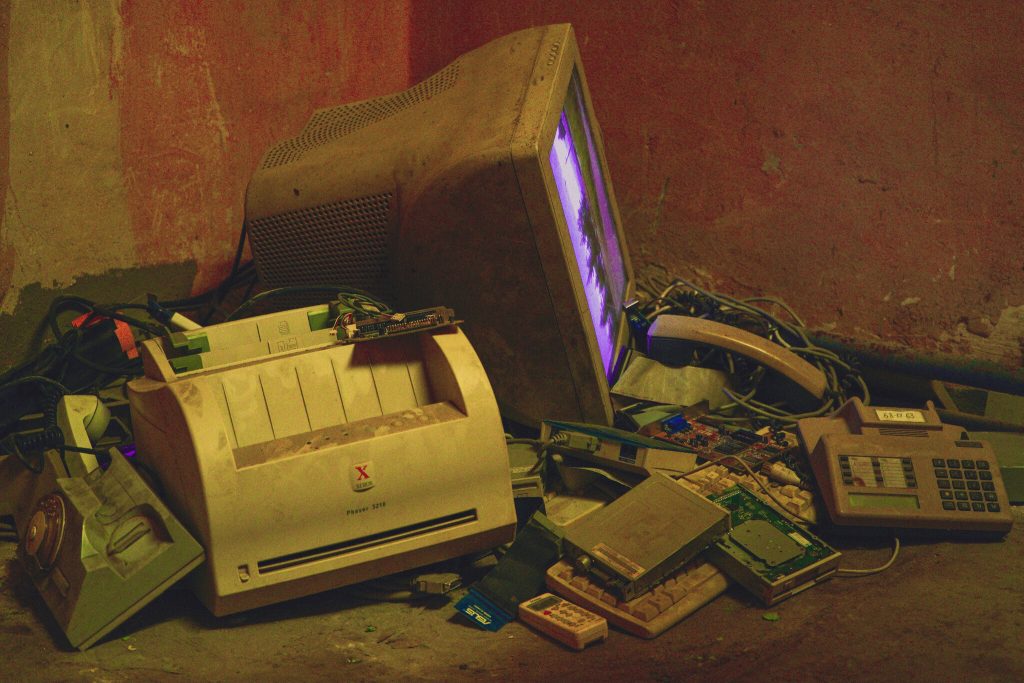
Corporate technology lifecycles have reached a major inflection point. For decades, standard enterprise procurement models planned around a five-year replacement cadence for corporate endpoints. Today, enterprise IT departments are retiring laptop and desktop fleets at an accelerated three-year pace. This contraction is driven by cloud architectures, continuous remote collaboration requirements, resource-heavy artificial intelligence workloads, and the urgent need for silicon-level security features that legacy motherboards cannot support.
While modern hardware keeps distributed workforces productive and corporate networks resilient, accelerated turnover places unprecedented strain on the backend of the hardware lifecycle. Organizations excel at orchestrating high-volume rollouts, but decommissioning thousands of endpoints simultaneously creates massive security vulnerabilities and logistical gridlock. Understanding what this faster refresh cycle demands on the disposal side is essential for protecting sensitive business intelligence and maximizing return on enterprise capital.
Escalating Processing Demands and the Accelerating Upgrade Cycle
Contents
The shortening of the enterprise hardware cycle is not arbitrary; it is an operational necessity driven by modern software overhead. Advanced endpoint detection and response tools, local data analytics, and virtual collaboration platforms consume substantial system resources. When older machines experience performance throttling or frequent battery degradation, the resulting loss in executive and employee productivity far exceeds the capital expenditure required to provision new hardware.
However, replacing thousands of corporate devices every thirty-six months creates an immense physical and environmental footprint. According to the Global E-waste Monitor 2024 published by the International Telecommunication Union, global electronic waste generation reached an unprecedented 62 million metric tons in 2022 alone. For multinational enterprises and regulated corporations, contributing blindly to this volume carries significant reputational risk, prompting compliance boards and sustainability officers to demand measurable, auditable disposal protocols for retiring assets.
The Hidden Vulnerabilities of Fleet-Wide Decommissioning
When an enterprise swaps out a thousand workstations across multiple corporate branches, operational chaos often follows. Local IT teams focus all available personnel on imaging, configuring, and deploying the new hardware. Consequently, decommissioned machines are routinely stacked in unsecured conference rooms, vacant cubicles, or secondary server closets awaiting removal.
This unstructured holding period represents a major operational blind spot. Disconnected computers still carry private company files, financial records, and internal passwords. When equipment sits unmonitored in back offices or storage rooms, the risk of misplaced hardware and accidental data leaks rises quickly. Integrating Urban Technologies’ ITAD program gives organizations a dependable way to manage retiring technology from start to finish. This overarching support ensures that every device is properly accounted for, private information is permanently protected, and outdated equipment is retired smoothly without disrupting daily business.
Turning Asset Decommissioning Into Enterprise Value Recovery
Because enterprise refresh cycles now retire machines after only three years of use, the assets leaving the corporate network retain substantial secondary-market commercial value. A business-grade machine with a high-tier multi-core processor and solid-state storage may no longer meet the exacting demands of enterprise software engineers, but it retains strong utility in commercial secondary markets. Treating functional hardware as raw scrap or paying third-party handlers to shred it indiscriminately is a massive capital inefficiency.
Modern enterprise asset disposition treats retiring hardware as an opportunity for value recovery. After secure data sanitization is completed, qualified assets are audited, graded, and remarketed through vetted commercial resale channels. The capital recouped through these remarketing programs is returned directly to the enterprise as financial rebates. These rebates offset the initial procurement budget of the incoming fleet, turning the IT department from a pure cost center into an active contributor to balance-sheet efficiency.
Defending Corporate Data Through Certified Destruction
The most critical operational priority during an accelerated refresh schedule is the total elimination of data liability. Basic operating system resets or internal formatting scripts do not meet federal standards for data eradication. Advanced recovery tools can easily extract proprietary databases, customer files, and financial records from drives that have merely been wiped using commercial operating system utilities.
Enterprise risk management requires verifiable sanitization governed by strict international standards. Software sanitization must overwrite storage media across all sectors in alignment with federal data protection guidelines, generating a tamper-proof certificate of destruction tied to each specific drive serial number. For non-functioning drives, solid-state media with unreadable bad sectors, or magnetic media that cannot be reliably cleared, physical shredding into calibrated particulate sizes ensures the storage material can never be reassembled or read.
Strategic Asset Management Steps for Enterprise Refresh Programs
Managing high-velocity hardware rollouts requires proactive governance before the first shipment of new machines arrives at the receiving dock.
Eliminate Unmonitored Staging Buffers
Enforce a corporate policy that prohibits the indefinite storage of retired endpoints in facility closets. Establish direct pickup schedules that align precisely with rollout dates so older hardware is accounted for, secured, and transferred into an auditable custody chain without downtime.
Unify Centralized Asset Reconciliation
Maintain real-time synchronization between the internal IT asset management ledger and the external disposition manifest. Every serial number, motherboard identifier, and internal drive code must be cross-verified upon collection to guarantee zero unaccounted devices between decommissioning and final settlement.
Leverage Certified Circular Disposition
Ensure all retired enterprise assets are processed through certified e-Stewards and B Corp standards. Maximizing reuse through component recovery and verified resale directly supports corporate Environmental, Social, and Governance goals, while non-recoverable materials are responsibly diverted from landfills into clean industrial commodity streams.