


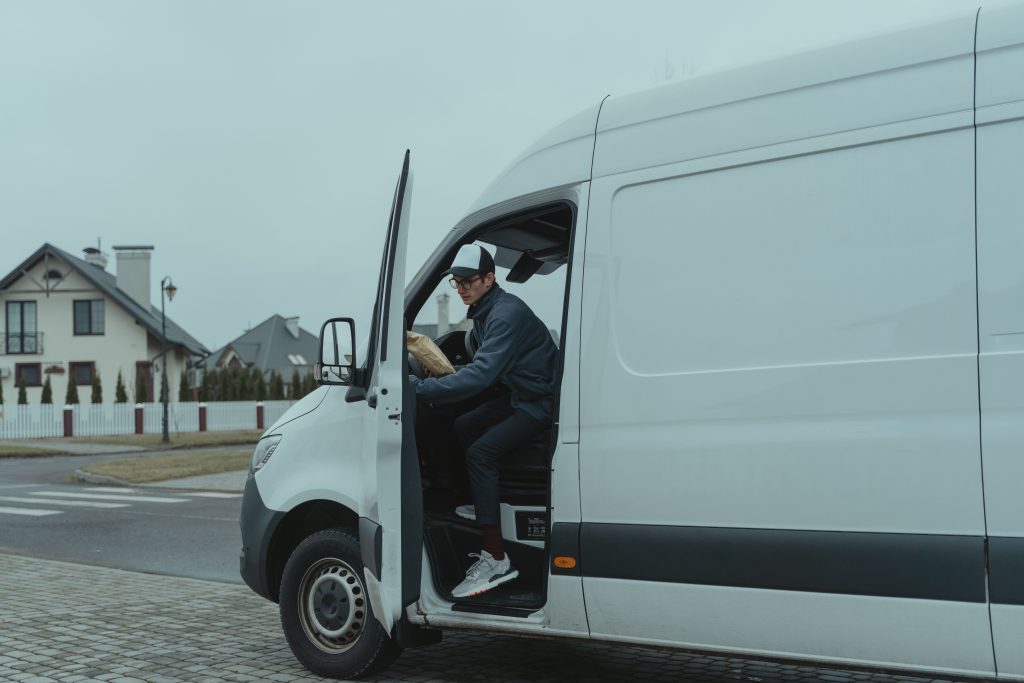
When people talk about last-mile delivery, they usually imagine a package traveling from a distribution center to a customer’s front door. Large organizations face another version of the same challenge after the delivery vehicle reaches the property. Universities, hospitals, corporate campuses, and other sprawling facilities may still need to move an item through multiple buildings before it reaches the person who ordered it. That internal last mile can become surprisingly complicated as package volumes increase and organizations expand.
Consistency Matters Across a Large Campus
One of the biggest challenges for colleges appears when individual buildings develop their own delivery processes. Standardizing campus delivery management can help organizations create clearer expectations for receiving, storing, tracking, and releasing packages across multiple locations. Without a common process, carriers may deliver similar items differently depending on which building they visit. Recipients may also have very different experiences based solely on where they work, study, or live.
Standardization does not necessarily mean every building has to operate identically. A small administrative office may have different needs from a large residence hall or healthcare facility. The goal is to establish consistent principles while allowing practical differences where they are necessary. Clear processes can make training easier, reduce confusion for carriers, and give administrators a better understanding of what is happening across the organization.
The Front Door Is Not Always the Final Destination
A delivery driver may consider the job complete once a package reaches a campus receiving point, but the recipient may still be several buildings away. Someone inside the organization then has to sort, store, transport, or route the item. On a large property, that movement can require employees, vehicles, carts, secure storage, and coordination between departments. The internal delivery system effectively becomes a small logistics operation of its own.
This is particularly challenging when deliveries include many different types of items. Office supplies, student packages, laboratory materials, equipment, food deliveries, and sensitive documents may not belong in the same workflow. Organizations need to understand what they receive and whether different categories require different handling. Mapping the journey from carrier arrival to final recipient often reveals unnecessary handoffs or bottlenecks that were difficult to see when each department managed deliveries independently.
Better Visibility Reduces Time Spent Searching
Missing packages create work even when the item is not actually lost. Employees may search receiving areas, contact carriers, call other departments, or ask colleagues whether someone signed for a delivery. The problem often comes from limited visibility into where the package went after arriving on the property. Better tracking can reduce these searches by creating a clearer record of each handoff.
Visibility also improves communication with recipients. Instead of receiving a generic carrier notification saying something was delivered, the person can receive information that reflects the organization’s internal process. This distinction matters on a large campus where carrier delivery and recipient availability may be separated by hours. Accurate internal status information helps set realistic expectations and reduces unnecessary calls to mailrooms and administrative staff.
Storage Has Become a Logistics Concern
Package storage can be easy to underestimate because individual boxes rarely take up much space. Hundreds of deliveries accumulating at the same time are another matter. Organizations may find hallways, offices, mailrooms, and reception areas gradually being consumed by items awaiting pickup. Poor storage can also make packages harder to find and create unnecessary obstacles for employees.
A better system considers both average volume and predictable peaks. Universities may receive significantly more packages around move-in or major shopping periods, while corporate environments may experience surges around events or equipment rollouts. Flexible storage and automated pickup options can help organizations handle these fluctuations.
Security and Chain of Custody Matter
Not every delivery has the same level of sensitivity. Some packages may contain expensive equipment, confidential documents, medications, research materials, or other items that require controlled handling. Organizations need processes that reflect those differences instead of treating every box exactly the same.
The appropriate level of control should be proportional to the risk. Requiring an elaborate sign-off process for low-value office supplies may create unnecessary work, while leaving sensitive deliveries unattended is clearly inadequate. Good logistics systems categorize deliveries and apply the right controls to each group. This balance protects important items without making the entire delivery operation unnecessarily cumbersome.
Automation Can Reduce Repetitive Work
Internal delivery often includes simple tasks repeated hundreds of times. Employees record arrivals, identify recipients, send notifications, check identification, and update records when packages are collected. These steps are necessary, but they can consume a large portion of an employee’s day when performed manually.
The goal should not be automation for its own sake. Technology is useful when it eliminates duplicate data entry, reduces search time, or allows recipients to retrieve items more conveniently. Organizations should first understand where employees are spending time and then look for tools that address those specific problems with automated solutions. A complicated system that requires more work than the old one simply shifts the burden rather than solving it.