


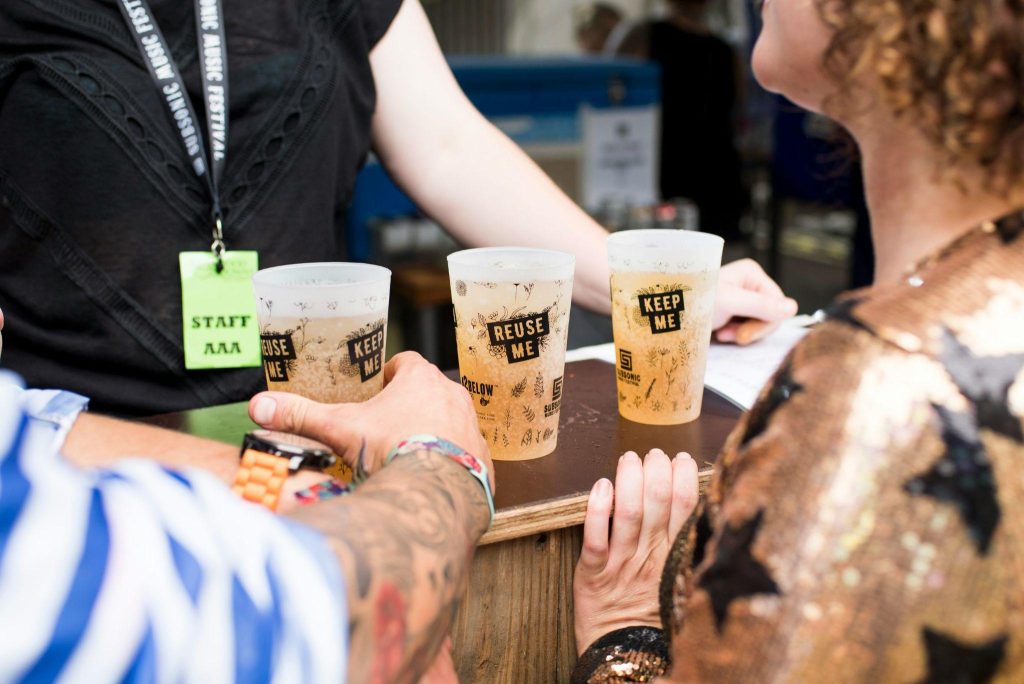
Go to just about any large concert, sports event, or festival today, and you will find a small yet significant change behind the bar. Eco-friendly cups and other alternatives that are durable are now the norm in place of piles of disposable plastic. This transformation is not a result of one trend, but a combination of environmental responsibility, logic of operation, and expectations of the audience.
In this landscape, reusable formats like stadium cups with logos have been put into their place. They are no longer considered merely as beverage containers, but as infrastructures- objects that enable the management of crowds, sustainability objectives, and even communication between the organizers and their visitors. When suppliers such as Save Your Ink are involved, they are not there as the main focus, but rather as a component of what these systems run on behind the scenes.
Environmental Cost of Single-use Drinkware at Events
Contents
Wastes produced by large events are on an industrial scale. One weekend festival may go through hundreds of thousands of disposable cups, most of which are impossible to recycle because they are contaminated. The environmental footprint is not only limited to the landfills, but also covers the water and fossil fuel usage, as well as the emissions of transportation to maintain the constant re-supply.
These problems are directly addressed by reusable drinkware. With the use of a reusable cup that can be used through several cycles of use, events can save significantly on the amount of waste that is generated per attendant. European and North American big events’ waste audits have a consistent record of up to 80 percent decrease in cup-related waste following the application of reuse models.
Regulatory Pressure and Policy Changes Driving Adoption
In most areas, environmental commitments are no longer a choice. Cities and national governments are enacting policies that directly concern event waste, and usually,single-use plastics are targeted initially.
Reusable drinkware will assist the organizers in complying with the requirements without reducing the speed of service or the experience of the guest. Instead of maneuvering around bans and exemptions, most events are now going to pre-emptively transition, and regulation is being used as a floor and not a ceiling.
Operational Advantages of Reusable Drinkware Systems
In addition to sustainability, reuse systems address real-life issues. Reuse models turn this around by focusing more on circulation and control.
The advantages of its operation are:
- Minimized waste collection and post-event cleanup expenses.
- Increased predictability in inventory management.
- Faster bar work by use of uniform cup designs.
A reusable cup is also single and standard, making it easier to find a match between vendors, which is more efficient across multiple bar venues. These efficiencies accumulate over time, as the reusable systems become economically viable, and in most cases, better than disposables.
Brand, Sponsor, and Organizer Incentives
Events are more of a visibility platform. All surfaces are turned into a platform of communication, and drinkware is not left out. Reusable cups have also become effective branding tools, though subtle, since they stay in the hands of attendees for hours rather than minutes.
These products are integrated by their practicality, unlike the conventional items used in promotional activities. People are more open to a logo or message on something useful as opposed to something that is intrusive. That is why reusable cups can be carried as a souvenir, and brand visibility is continued long after the event is over.
Hygiene, Safety, and Technology Improvements
Resistance to reuse tended to focus on hygiene issues in the early years. These objections have been neutralized by modern systems to a large extent. Industrial washing at high temperatures, RFID tracking, and deposit-return schemes guarantee cleanliness and accountability at large scale.
There has also been an improvement in material science. Modern green cups are made in such a way that they can be washed and still maintain their shape and clarity. It is even possible to have smart tracking on some systems to track the loss rate and circulation efficiency, giving organizers real-time data on how things are running.
How Major Events Are Implementing Reuse
There are many different implementation models; however, the key similarities between most successful systems include being easy to use by the attendants and highly organized in the background. There are deposit-based returns to some events; there are events that prefer central collection points manned either by volunteers or employees.
Save Your Ink sometimes finds its way into this ecosystem not as an overt statement of its own brand, but as an infrastructure, an organization that assists event organizers with finding drinkware that fits the aesthetic of the event and is durable enough to be used again.
Conclusion

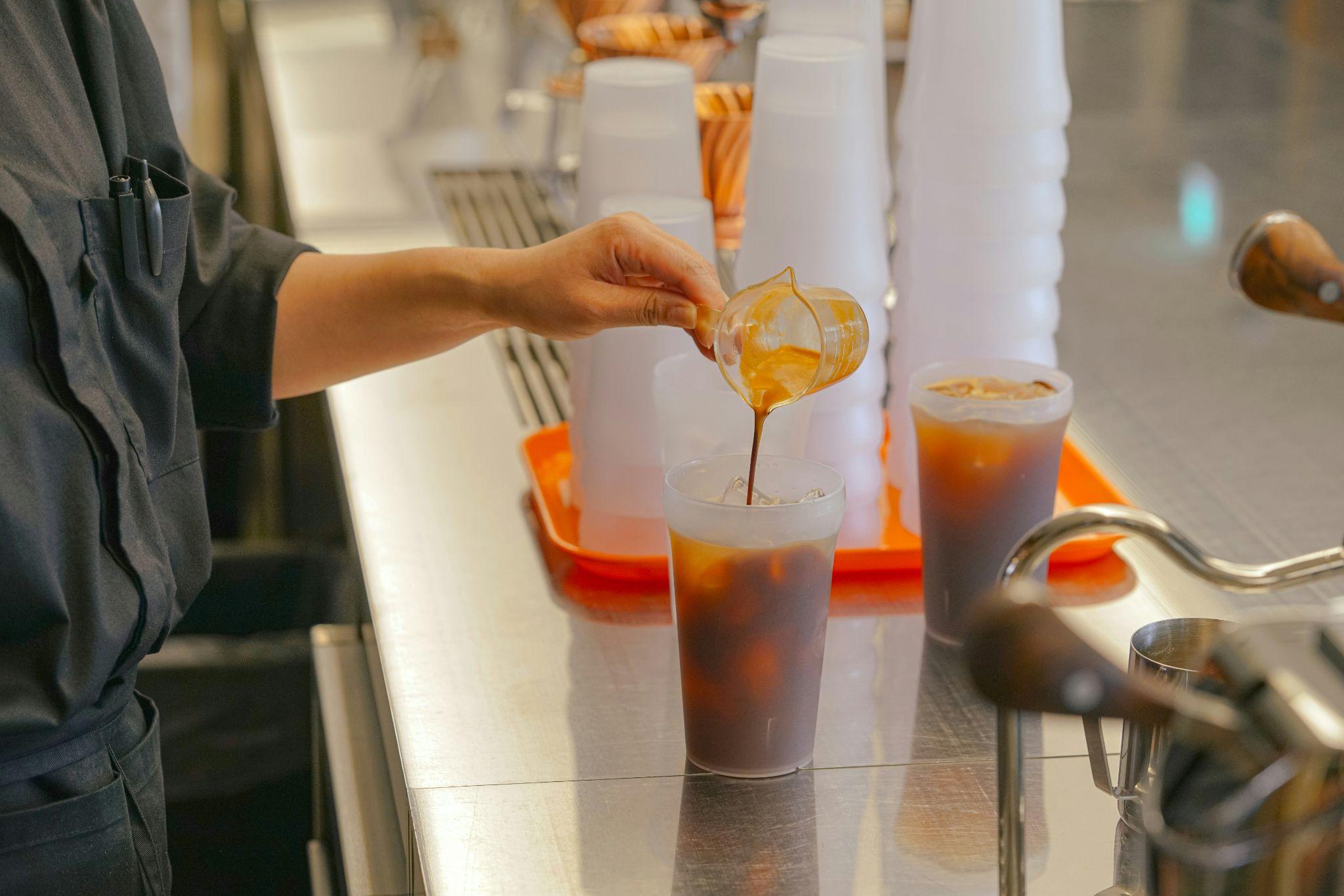
Reusable drinkware is becoming standard because it solves multiple problems at once. It minimizes wastage, aids in adherence to regulations, enhances operational efficiency, and opens new possibilities for organizers to communicate with no clutter.
Have you ever been to an event that used reusable drinkware effectively? Share your experience and ideas with us.