


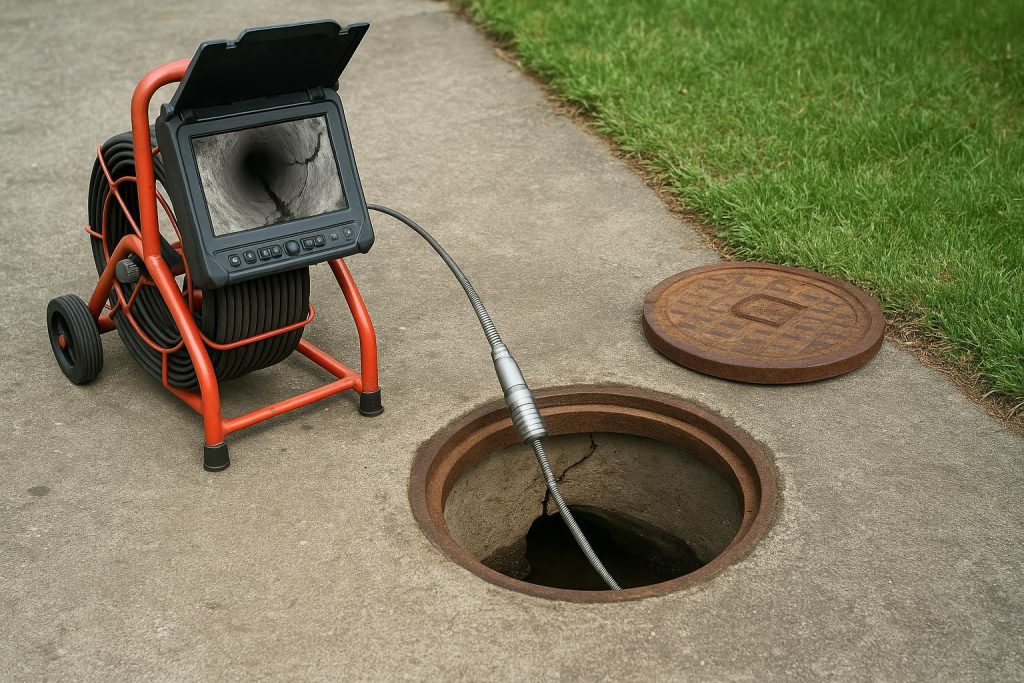
Finding out that your sewer line has cracks can be unsettling. Many homeowners book a CCTV drain camera inspection because of repeated blockages, bad smells, slow drainage, or wastewater backup. When the footage shows cracks in the pipe, the next question is usually simple: what should be done now?
Cracks in a sewer line should not be ignored, but they do not always mean the entire pipe must be dug up immediately. The right repair depends on the location, depth, pipe material, level of damage, access, and whether the pipe still holds its shape.
Your options may include cleaning and monitoring, localised repair, excavation, replacement, or pipe relining. Understanding each option can help you make a calm, informed decision rather than approving the first solution without knowing what it involves.
Why Sewer Line Cracks Matter
Contents
A sewer line carries wastewater away from your home. When cracks form, several problems can follow. Wastewater can leak into the surrounding soil, tree roots can enter the pipe, and soil can wash into the line. Over time, this can lead to repeated blockages, unpleasant smells, unstable ground, and further pipe deterioration.
Small cracks may not cause immediate backup, but they can become entry points for roots. Once roots enter, they trap waste and grow thicker. This can turn a minor defect into a recurring drainage issue.
Cracks can also worsen with ground movement, pipe age, or pressure from above. If the pipe sits under a driveway, path, building edge, or landscaped area, the repair decision may need to consider both plumbing and property disruption.
Start by Understanding the Camera Findings
Before choosing a repair, ask the plumber to explain the camera footage clearly. You need to know where the crack is located, how long the damaged section is, how severe the crack appears, and whether the pipe has shifted or collapsed.
A single hairline crack is different from several open cracks along a long section. A pipe with root entry is different from a pipe that is crushed or sagging. The repair method should match the condition shown on the footage.
Ask whether the pipe is still round, whether wastewater is pooling, and whether the damage is close to an access point. These details can affect whether relining, excavation, or another repair is suitable.
Option One: Clean and Monitor
In some limited cases, a plumber may recommend the drain pipe relining and monitoring the pipe. This may be reasonable if the crack is minor, there is no root intrusion, drainage flow is good, and the pipe does not show signs of movement.
Monitoring does not repair the crack. It simply means the issue is not yet severe enough to justify immediate work. This option should only be considered when the risk is low, and the homeowner understands what signs to watch for.
If blockages have already occurred, monitoring alone may not be enough. A cracked pipe that has allowed roots in is likely to keep causing problems unless the entry point is repaired.
Option Two: Excavation and Replacement
Excavation involves digging down to the damaged section, removing it, and installing new pipework. This method may be necessary if the pipe has collapsed, shifted badly, lost shape, or cannot support an internal repair.
Replacement can be effective because it removes the damaged pipe completely. However, it may also be disruptive, especially if the sewer line runs under concrete, paving, driveways, garden beds, or internal areas.
The total cost may include more than plumbing. Surface removal, soil disposal, reinstatement, landscaping, and access issues can all add to the work. Excavation remains important in some situations, but it is not always the least disruptive option.
Option Three: Pipe Relining
Relining repairs the pipe from the inside. After cleaning and preparation, a resin liner is inserted into the damaged section and cured. Once it hardens, it forms a new internal layer that seals cracks and helps restore flow.
This option can be useful when the pipe has cracks, root entry points, or leaking joints, but still holds enough shape to support the liner. It may reduce the need for digging and protect surfaces above the pipe.
For homeowners looking at pipe relining Adelaide options, the main benefit is that the repair may be completed through access points rather than open trenches. This can be valuable when the damaged sewer line is under finished areas.
Option Four: Partial Repair
Sometimes only one section of the pipe is damaged. In that case, a localised repair may be possible. This could involve a shorter relining section or a targeted excavation, depending on access and pipe condition.
Partial repair can be practical when the rest of the pipe is in good condition. However, it should be based on full inspection. If several sections are cracked, fixing only one area may leave other weak points that cause future problems.
The plumber should explain whether the damage is isolated or part of a wider ageing pipe issue.
How to Compare Your Options
The best repair is not always the cheapest upfront option. It should solve the problem properly while making sense for the property. Consider the severity of the damage, the chance of future blockages, the disruption involved, and the full cost of reinstatement.
Ask what happens if you delay the repair. Ask whether roots are already present. Ask if the pipe is suitable for pipe relining services in Adelaide or whether excavation is the safer choice. Clear answers will help you avoid paying for a repair that does not match the problem.
You should also ask whether a final camera inspection will be completed after the repair. This confirms that the work has addressed the damaged section and gives you confidence in the result.
Conclusion
Cracks in a sewer line are serious, but they do not always mean the entire pipe must be dug up. Your options may include monitoring, targeted repair, excavation, replacement, or relining. The right decision depends on what the CCTV footage shows and how the pipe is performing.
Do not rely on guesswork. Ask for a clear explanation of the damage, compare repair methods, and consider both plumbing costs and property disruption.
If your CCTV inspection has found sewer line cracks, speak with a plumber who can explain every option clearly. A proper decision now can prevent repeated blockages, wastewater backup, and more expensive repairs later.