


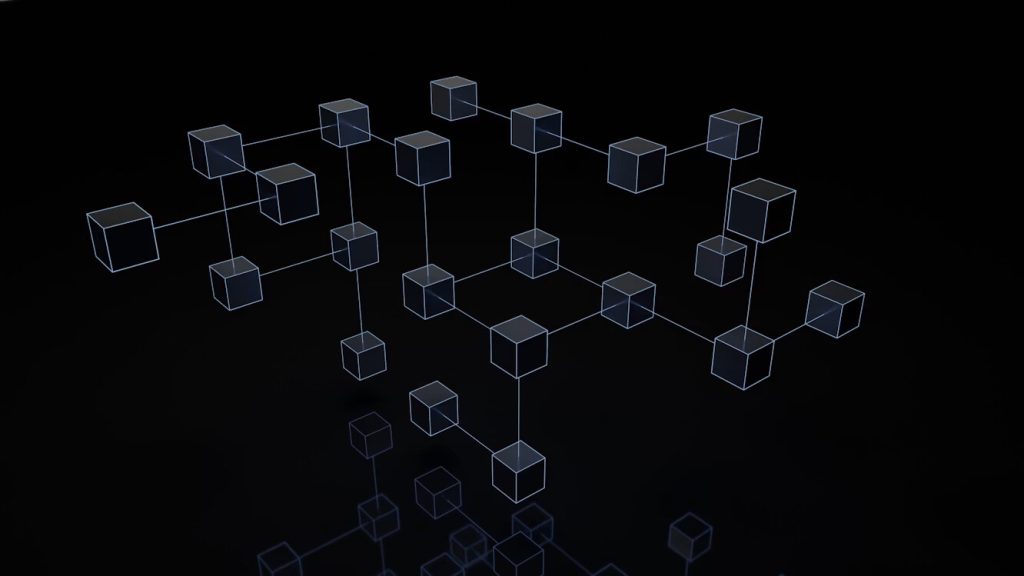
The apps on your phone and computer are likely managed by a few large corporations. This creates a centralized digital world where user data is a commodity. This model has defined the internet for decades, but blockchain technology is now powering a fundamental shift.
Decentralized applications, or DApps, are emerging as a powerful alternative. They offer a new way to interact with software, manage data, and engage with the digital economy. They represent a move away from corporate-owned platforms toward community-governed systems, putting control back into the hands of the user.
This change isn't just a niche trend for developers. It's the next frontier for our devices, promising more transparency, security, and user empowerment. As this technology matures, it will reshape everything from finance and social media to gaming and online entertainment, creating a more open and equitable digital landscape.
What Are Decentralized Applications?
Contents
A decentralized application is software that runs on a peer-to-peer network, like a blockchain, instead of a single central server. Think about a traditional app, like a social media platform. All its data, code, and user information are stored on servers owned and operated by one company. That company can change the rules, censor content, or even shut down the service at will. If their servers go down, the app stops working for everyone.
DApps operate on a completely different principle. They are built on a distributed network of computers, meaning no single entity has control. To understand this better, it helps to know what decentralized applications are and their key components:
- The core logic of the DApp runs on a blockchain. This code is often executed through “smart contracts,” which are self-executing agreements with terms directly written into code.
- The application's source code is typically public. Anyone can view, audit, and verify how the DApp functions, which fosters trust and transparency.
- DApps use tokens to secure the network and provide value to users. These tokens can represent ownership, access rights, or a currency within the application.
Because they don't rely on a central point of failure, DApps are incredibly resilient and censorship-resistant. Once a DApp is deployed on a blockchain, it can't be easily taken down or altered by a single party, not even its original creators. This structure creates a more stable and trustworthy environment for users and developers alike.
How DApps Reshape Digital Interactions
The shift from centralized to decentralized apps does more than just change the underlying technology. It fundamentally reshapes how we interact with digital services. By eliminating the need for intermediaries, DApps create direct, peer-to-peer connections that offer greater efficiency, transparency, and user control. This is transforming industries and creating entirely new business models.
In finance, Decentralized Finance (DeFi) has emerged as a major use case. DApps allow users to lend, borrow, and trade assets without needing a traditional bank or financial institution. Smart contracts automate these processes, reducing fees and making financial services accessible to a global audience. Instead of waiting for bank approvals, you can interact directly with a protocol governed by code.
This principle extends to other areas as well. Decentralized social media platforms are being developed where users own and control their data, free from corporate surveillance and arbitrary censorship, much like how some platforms offer a review of casinos that accept Bitcoin. In these systems, your identity and content belong to you, not the platform you use. The same goes for data storage, where decentralized networks offer a more secure and private alternative to cloud services owned by big tech companies.
The world of gaming and entertainment is also experiencing a significant transformation. DApps introduce the concept of "provably fair" systems, where the logic of a game is transparent and verifiable on the blockchain. This ensures that outcomes are truly random and not manipulated by the operator.
This level of transparency has fueled innovation in online entertainment, leading to the development of some of the best crypto casinos where players can verify the fairness of every transaction. Furthermore, in-game assets, like skins or characters, can be owned as unique digital tokens (NFTs), allowing players to truly own and trade them outside the game itself.
Exploring DApps on Mobile and Desktop
Getting started with DApps is more accessible than you might think. You don't need to be a blockchain expert to use them. The primary tool you'll need is a crypto wallet, which acts as your digital identity and gateway to the decentralized web. This wallet holds your cryptographic keys, allowing you to sign transactions and interact with DApps securely.
On desktop, the most common way to access DApps is through a browser extension like MetaMask. Once installed, it injects the necessary web3 capabilities into your regular browser (like Chrome or Firefox), allowing websites to communicate with the blockchain. When a DApp needs you to confirm a transaction or sign a message, a prompt will appear from your wallet extension, giving you full control over the action.
For mobile users, there are two main options:
1. Many crypto wallets, such as Trust Wallet or Coinbase Wallet, come with a built-in DApp browser. You can navigate to DApp websites directly within the wallet app, which provides a seamless and secure experience.
2. Some mobile browsers are now including native crypto wallet functionality, further blurring the line between the traditional web and the decentralized web.
The user experience of DApps is rapidly improving. While early versions were often clunky and difficult to use, modern DApps feature slick interfaces that are nearly indistinguishable from their centralized counterparts.
The primary difference is the login process. Instead of creating a username and password, you simply "connect your wallet." This single action serves as your authentication, proving you own the account without revealing any personal information. This new approach has a significant impact on IT infrastructure, as it shifts the burden of identity management from companies to individuals.
The Rise of Blockchain-Powered Platforms
While the idea of decentralization has been around for a while, the practical ability to build and deploy DApps became a reality with the launch of Ethereum. Ethereum was the first blockchain to introduce smart contracts, which are the programmable building blocks of DApps. It provided a Turing-complete programming language, allowing developers to create complex applications that go far beyond simple cryptocurrency transactions. For this reason, Ethereum is often called the "world computer."
However, Ethereum's popularity has also led to challenges, namely high transaction fees (known as "gas fees") and network congestion during peak times. This has paved the way for a new generation of blockchain platforms designed to address these limitations. Blockchains like Solana, Polygon, and Cardano have emerged as strong competitors, each offering a unique value proposition:
- Solana is known for its incredible speed and low transaction costs, making it suitable for high-throughput applications like decentralized exchanges and games.
- Polygon acts as a "layer 2" scaling solution for Ethereum, offering a way to process transactions more quickly and cheaply while still benefiting from Ethereum's security.
- Cardano takes a research-driven approach, focusing on formal verification to ensure the security and sustainability of its protocol.
This multi-chain landscape is crucial for the growth of the DApp ecosystem. Competition drives innovation, pushing platforms to become faster, cheaper, and more user-friendly. It also gives developers more choices, allowing them to select the blockchain that best fits the specific needs of their application. For users, this means a better experience with more diverse and powerful DApps. The collective effort is aimed at building a decentralized future that is more robust and scalable than any single platform could achieve alone.
Security and Transparency in DApp Ecosystems
One of the most compelling arguments for DApps is their potential for enhanced security and transparency. Because they are built on a blockchain, all transactions are recorded on an immutable public ledger. This means that once a transaction is confirmed, it cannot be altered or deleted. The open-source nature of most DApps adds another layer of trust, as anyone can inspect the code to ensure it functions as advertised and is free from malicious backdoors.
This transparency creates a system where trust is not placed in a company or individual, but in the code itself. There is no single point of failure, making DApps highly resistant to censorship and shutdowns. If a traditional app's servers are hacked, millions of users' data could be compromised. In a decentralized system, data is distributed across the network, making large-scale breaches much more difficult.
However, this new model also introduces a new set of security responsibilities for the user. In the world of DApps, you are your own bank. The phrase "not your keys, not your crypto" is a critical reminder of this reality. Your private keys, which are stored in your crypto wallet, are the only thing that proves your ownership of your assets. If you lose them, there is no customer support line to call and no password reset option. Your assets will be permanently inaccessible.
Therefore, interacting with the DApp ecosystem requires a proactive approach to security.
- Secure Your Keys: Use a hardware wallet for significant amounts of crypto. These devices keep your private keys offline, protecting them from online threats.
- Beware of Phishing: Scammers often create fake DApp websites to trick you into connecting your wallet and signing malicious transactions. Always double-check URLs and be skeptical of unsolicited links.
- Verify Contracts: Before interacting with a new DApp, especially in DeFi, look for security audits from reputable firms. These audits check the smart contract code for vulnerabilities that could be exploited.
While the technology offers powerful security features, the user remains the most important line of defense.
DApps are still in their early stages, but they represent a clear and compelling vision for a more open, fair, and user-centric internet. As the technology continues to mature and become more user-friendly, these decentralized services will become an increasingly integrated part of our digital lives, giving us more control and ownership than ever before.