


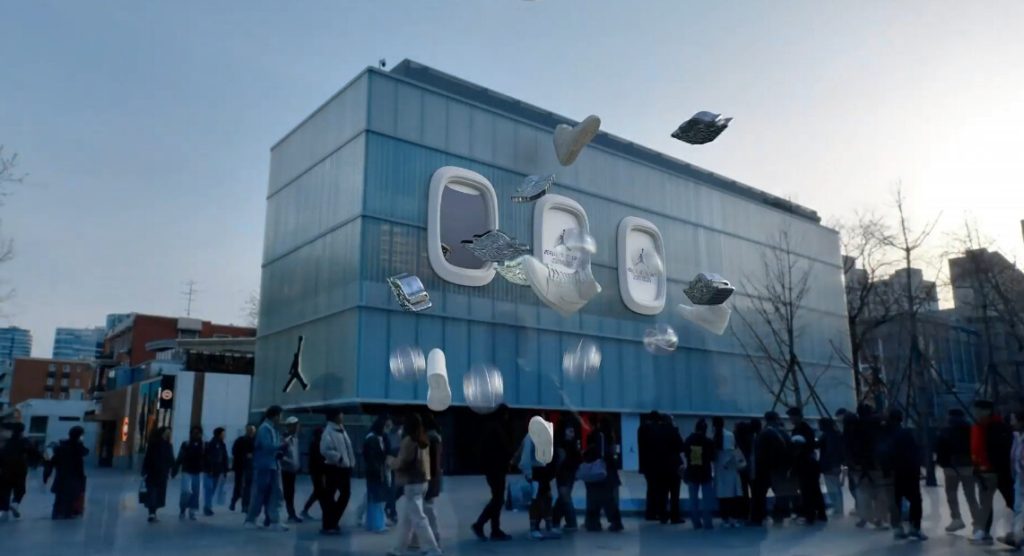
Augmented reality has evolved from a specialized technology into an accessible tool for creating interactive digital experiences. However, traditional AR development can still require programming knowledge, specialized software, and technical resources. Kivicube AR helps remove these barriers by providing a no-code, browser-based platform where users can create, customize, publish, and share WebAR experiences without writing complex code.
No-Code AR Creation for Everyone
Contents
One of Kivicube’s biggest advantages is its visual drag-and-drop editor. Instead of learning programming languages, users can upload images, videos, and 3D models and arrange them within an AR scene. This makes the platform useful for designers, marketers, educators, artists, and business owners who want to explore augmented reality without depending on developers.
Users can also begin with a blank scene or choose from ready-made templates. Templates provide a practical starting point for projects such as AR games, packaging, business cards, illustrations, interactive books, and product experiences. Creators can customize these projects to match their own ideas and branding.

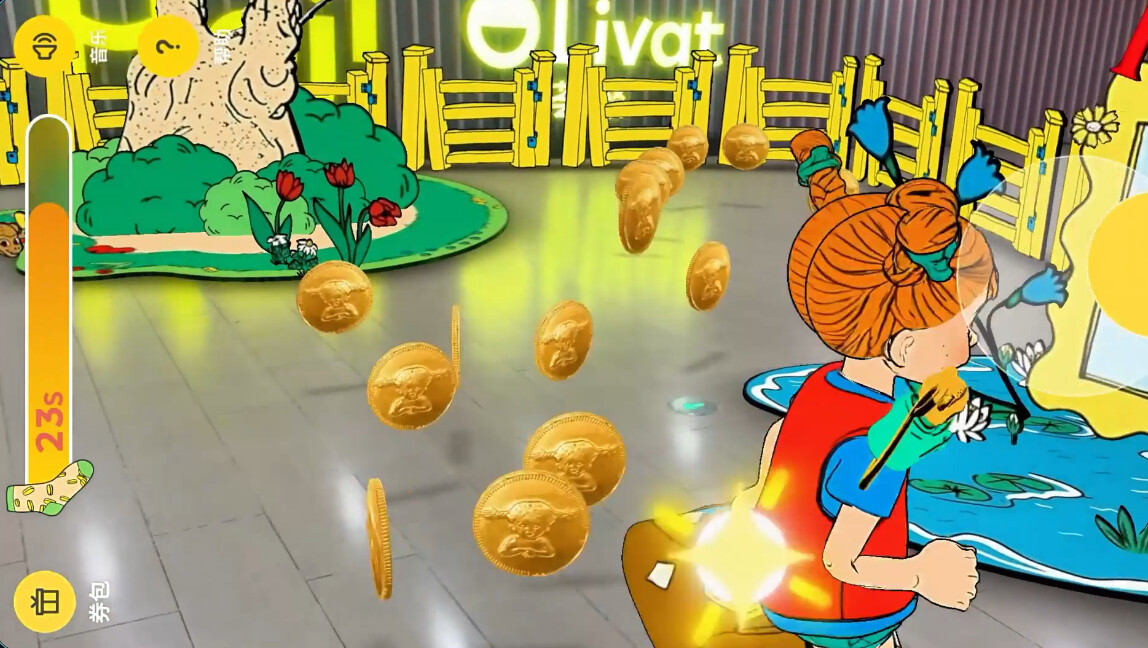
Flexible AR Tracking Options
Different Kivicube AR projects require different ways of connecting digital content with the physical world. Kivicube supports multiple tracking methods, including image, world, body, face, landmark, 3D object, and rotation tracking.
For example, image tracking can connect digital content to printed materials such as packaging or posters, while world tracking can place virtual objects on surfaces such as floors and tables. Face and body tracking can create experiences that respond to a user’s movements or appearance. This flexibility allows an AR creator to select the tracking method that best suits each project.
AI-Assisted AR Creation
Kivicube also combines artificial intelligence with AR development through its AI AR Agent. Users can describe an experience through text prompts, helping generate AR projects, interfaces, interactions, and supporting content. AI tools can also assist with creating images, videos, and 3D models.
This can save time for creators who have an idea but do not have every visual asset ready. Instead of building everything manually, they can use AI to develop an initial concept and then refine the experience through the visual editor.
WebAR Makes Sharing Easier
Creating an AR experience is only valuable if people can access it easily. Kivicube uses WebAR technology, allowing users to open experiences through a web browser using a link or QR code. This means audiences can interact with AR content without downloading a separate application.
Businesses can place QR codes on product packaging, posters, advertisements, printed materials, business cards, or promotional campaigns. Kivicube also supports website integration, making WebAR useful for online and e-commerce experiences.
Applications Across Industries
The platform can support many different creative and commercial applications. Retailers can use AR for product visualization, virtual try-ons, and interactive packaging. Marketers can develop augmented reality marketing campaigns, while educators can transform static learning materials into interactive experiences. AR creator tools like Kivicube also enable artists and designers to bring illustrations, products, and creative concepts into physical environments, making digital content more interactive and engaging.
Final Thought
Kivicube makes augmented reality more approachable by bringing no-code creation, templates, flexible tracking options, AI assistance, and WebAR publishing into one platform. These features allow beginners to experiment with AR while giving businesses and experienced creators tools for developing engaging digital experiences. As AR continues to become part of marketing, education, retail, and creative work, platforms like Kivicube can make it easier to turn an idea into an interactive experience without starting with complicated programming.