


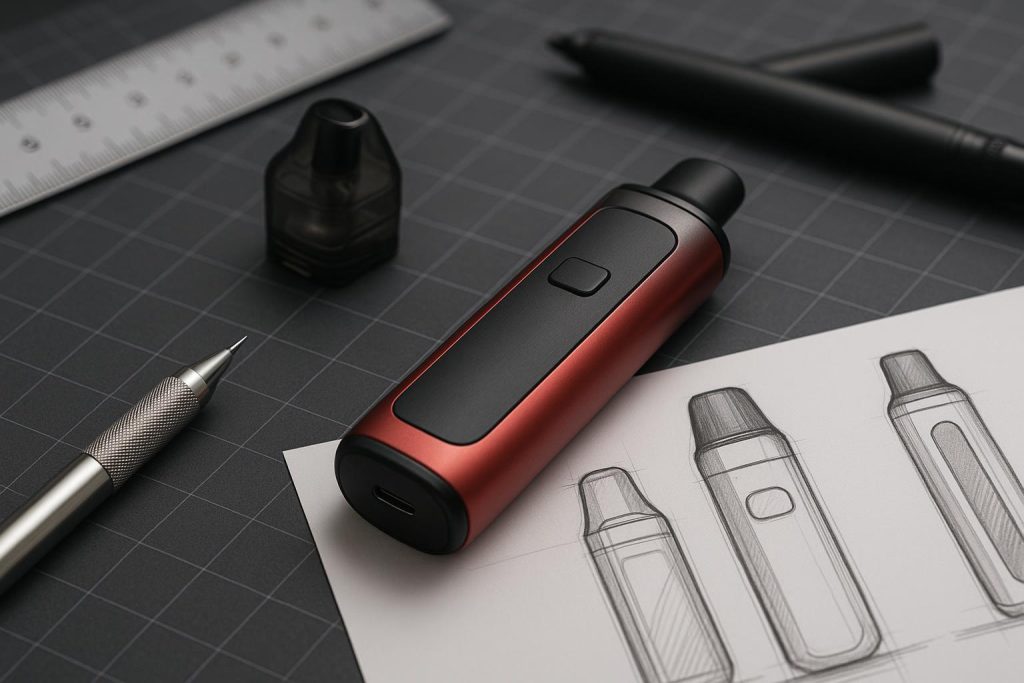
Modern vape devices have evolved far beyond their early designs, with a strong emphasis on usability, consistency, and overall user satisfaction. What used to be simple hardware has become a carefully engineered product category shaped by both technology and consumer expectations. Design choices now influence everything from draw feel to flavor delivery. As a result, user experience has become just as important as technical performance.
Manufacturers are paying closer attention to how people interact with devices in everyday situations. This includes portability, ease of use, and how intuitive a device feels right out of the package. Small design decisions, such as airflow structure or mouthpiece shape, can significantly affect comfort and performance. These details may seem minor at first glance, but they often determine whether a product feels reliable over time.
The Role of Ergonomics and Everyday Usability
Contents
Ergonomics plays a central role in how vape devices are designed today. Devices are often shaped to fit naturally in the hand or pocket, making them easier to carry and use throughout the day. Weight distribution and material choice also contribute to how comfortable a device feels during repeated use. When these elements are balanced well, the device becomes almost unnoticeable in day-to-day routines.
Ease of use is another critical factor that influences design decisions. Many modern devices eliminate complicated settings in favor of draw-activated systems or simplified controls. This approach reduces the learning curve and helps users avoid common mistakes. It also allows the experience to remain consistent regardless of a user’s familiarity with vaping technology.
Consistency is closely tied to usability, especially in devices designed for convenience. Streamlined vape design and predictable performance can work together to support a smooth, repeatable experience. When users know what to expect with each use, it builds confidence in the device. That reliability becomes a key part of the overall user experience.
How Internal Design Affects Performance
While external design shapes how a device feels, internal engineering determines how it performs. Components like coils, wicking systems, and airflow channels must work together to produce consistent vapor and flavor. Even small changes in these elements can lead to noticeable differences in output. This is why manufacturers often iterate on internal designs to improve performance over time.
Airflow design is particularly important because it directly impacts draw resistance and vapor production. A well-balanced airflow system creates a smooth draw without requiring excessive effort. If airflow is too restricted or too loose, it can disrupt the overall experience. Designers must carefully test and refine these systems to achieve the desired balance.
Another important factor is how power is delivered to the heating element. Battery efficiency and output consistency both play a role in maintaining stable performance. When power delivery fluctuates, it can lead to uneven vapor production or flavor changes. Consistent power management helps ensure that each puff feels similar to the last.
Flavor Delivery and Sensory Experience
Flavor is one of the most defining aspects of the vaping experience. Device design has a direct influence on how flavors are perceived and delivered. Factors like coil temperature, airflow, and wick saturation all contribute to how e-liquid is vaporized. When these elements are aligned, the result is a more accurate and enjoyable flavor profile.
There are several design considerations that influence flavor consistency:
- Coil material and structure affect how evenly heat is distributed
- Wick composition determines how efficiently e-liquid is absorbed
- Airflow positioning shapes how vapor travels to the mouth
- Chamber size influences vapor density and temperature
Each of these components must be calibrated carefully to avoid issues like burnt taste or muted flavor. When one element is off, it can impact the entire experience. That’s why manufacturers often test different configurations before finalizing a design.
Flavor consistency also depends on how well a device maintains its performance over time. If components degrade quickly, users may notice a drop in quality after only a short period. Durable materials and stable engineering help extend the lifespan of the device. This ensures that the flavor experience remains reliable from start to finish.
The Importance of Simplicity in Design
Simplicity has become a defining trend in modern vape device design. Instead of overwhelming users with options, many devices focus on delivering a straightforward and reliable experience. This shift reflects a broader understanding of what users actually value in everyday use. In most cases, convenience and predictability matter more than customization.
Designing for simplicity doesn’t mean sacrificing performance. Instead, it involves removing unnecessary complexity while preserving core functionality. This often leads to cleaner designs and fewer points of failure. When a device works as expected without requiring adjustments, it becomes more accessible to a wider range of users.
Some common features that support simple design include:
- Draw-activated firing mechanisms
- Pre-filled or closed systems
- Minimal or no adjustable settings
- Compact, lightweight construction
These features reduce the need for maintenance or technical knowledge. They also help ensure that the experience remains consistent across different environments and usage habits.
At the same time, simplicity must be balanced with quality. A device that is easy to use but lacks reliability won’t meet user expectations. Designers must carefully integrate simplicity without compromising performance. This balance is what ultimately defines a successful product.
How Design Shapes Long-Term User Satisfaction
Long-term satisfaction depends on how well a device performs over extended use. Initial impressions are important, but consistency over time is what keeps users engaged. Devices that maintain stable performance tend to build stronger trust with users. This trust often leads to continued use and brand loyalty.
Durability is a key factor in long-term satisfaction. Materials must withstand regular handling without degrading quickly. Internal components should also be designed to resist wear and maintain functionality. When devices fail prematurely, it disrupts the user experience and reduces overall satisfaction.
Another important aspect is predictability. Users appreciate devices that deliver the same experience each time they use them. This includes consistent draw, flavor, and vapor production. When design and engineering align to support this consistency, the result is a more dependable and enjoyable product experience.
Here’s a revised conclusion title that ties directly to the article’s topic:
Why Design Consistency Matters for Vape Devices
Product design and user experience have become central to how modern vape devices are developed and refined. What users expect today goes beyond basic functionality, with a clear focus on comfort, consistency, and ease of use. Every design decision, from internal components to outer form, contributes to how the device performs in real-world situations. When these elements come together effectively, the result is a more reliable and satisfying experience.