


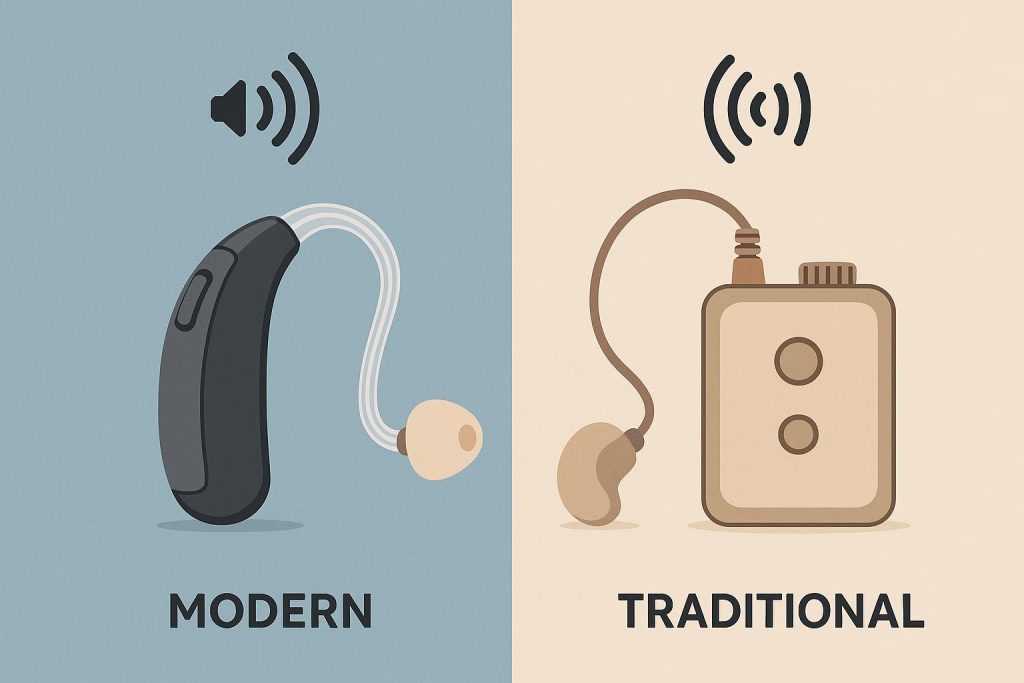
Hearing technology does not look the way many people expect it to anymore. For a long time, the category was defined by devices that felt clinical, highly specialized, and, in some cases, visibly medical. That is still part of the picture, but it is no longer the whole story.
Today, people exploring hearing support have more options than ever, from prescription and over-the-counter hearing aids to newer wearable formats designed to blend into daily life. The result is a much broader conversation about what hearing tech should actually do and how naturally it should fit into someone’s routine.
That shift is one reason newer options such as hearing glasses are attracting attention. Devices in this category are part of a larger move toward assistive technology that feels less separate from everyday style and more integrated into it.
Traditional hearing aids still play a central role, especially for people who need medically established support across a wider range of hearing loss. But modern alternatives are changing what convenience, discretion, and usability can look like.
So which one fits your lifestyle best? The answer depends less on what is newest and more on how you live, what level of hearing support you need, and how much you value things like connectivity, visibility, comfort, and flexibility.
What does traditional hearing technology still do best?
Contents
Traditional hearing technology is built around one core job: helping people hear more clearly and consistently across different listening situations. In practice, that usually means hearing aids in familiar formats such as behind-the-ear, in-the-ear, and completely-in-canal models.
These devices are designed specifically for hearing support, and they remain the most established option for people with mild to profound hearing loss, depending on the style and fitting. The NIDCD describes these devices as purpose-built tools for amplifying sound and improving communication.
That medical focus is exactly why traditional hearing aids still matter. They are clinically recognized, widely trusted, and often professionally fitted or adjusted for the user’s needs. For someone who needs reliable support in a range of sound environments, especially beyond mild hearing difficulty, that level of tuning can make a big difference.
Traditional options also tend to be the safest recommendation when hearing loss is more advanced or when a user needs more than a light assist in everyday conversations. OTC options, by contrast, are specifically intended for adults with perceived mild to moderate hearing loss, not severe or profound loss.
Still, traditional devices are not perfect for everyone. Some users do not love the look of visible hearing aids. Others find certain styles uncomfortable over long periods or simply feel hesitant because hearing aids can still carry an outdated stigma for some people. Even when the technology works well, the emotional and aesthetic side of wearing it can affect whether someone feels comfortable using it consistently.
What makes modern hearing tech feel different?
Modern hearing technology is defined as much by design and user experience as by amplification. This category includes self-fitting devices, app-connected hearing products, wireless audio wearables, and newer hybrid formats that combine assistance with everyday accessories.
The FDA notes that some OTC hearing aids may include wireless technology, self-assessment tools, and software-based customization, while products like Nuance Audio’s glasses build hearing support into prescription-ready frames with app controls and audio modes.
What stands out here is the shift in mindset. Instead of asking users to adapt to a medical device, modern hearing tech often tries to adapt to the user’s life. That means Bluetooth connectivity, easier adjustments from a phone, less visually obvious hardware, and designs that work naturally during calls, conversations, commuting, and social settings. For many people, especially those who already move through life with multiple connected devices, that ease matters just as much as raw sound support.
The tradeoff is that newer does not always mean better for every case. Some modern devices are clearly aimed at people with mild to moderate hearing difficulty rather than more significant loss. Others may feel more dependent on charging habits, app familiarity, or a comfort level with managing tech through a smartphone. And because the category is evolving quickly, the degree of clinical validation can vary depending on the product.
How do traditional and modern devices compare in real life?
The easiest way to compare them is to look at daily use rather than specs alone.
In quiet settings, many people may find that both traditional and modern hearing solutions meet their needs reasonably well, especially if the hearing loss is mild. The difference becomes more noticeable in busier environments, where the quality of tuning, directional sound support, and personalization can matter more. Traditional hearing aids have the advantage of a longer clinical track record and, in many cases, professional fine-tuning. That makes them especially appealing for users who want dependable performance without much trial and error.
In terms of comfort and wearability, the winner depends on the person. Someone who already wears glasses every day may find a product built into frames easier to adopt because it folds hearing support into something they already use. Someone else may prefer a completely-in-canal device because it stays hidden and separate from eyewear. There is no universal best choice here. Comfort is personal, and it often depends on whether the device feels like an extra layer or a seamless part of your routine.
Technology and connectivity are where modern options often pull ahead. App control, audio modes, wireless features, and smartphone integration appeal strongly to users who want a more flexible and digital experience. Traditional devices can also include advanced tech, of course, but modern lifestyle-focused products often make that connected experience a central selling point rather than an add-on.
Aesthetics also matter more than many buyers admit at first. Traditional hearing aids are often designed to be small or discreet, but modern products are increasingly trying to normalize hearing support by embedding it into objects people already wear. That changes the emotional experience. A device that looks like part of your personal style may feel easier to use consistently than one that reminds you, every time you put it on, that you are wearing a medical tool.
Which type of hearing tech fits different lifestyles?
If you are active and constantly moving between locations, multifunctional devices may be especially appealing. Something lightweight, wearable, and easy to adjust on the go can feel more practical than a device that requires more hands-on management. For glasses wearers, hearing-enabled frames may be particularly attractive because they combine two routines into one.
If you are a professional or heavy digital user, connectivity may be the deciding factor. Seamless switching between conversations, calls, and phone-based controls can make modern hearing tech feel far more natural in a workday built around devices and communication.
If you are older, less interested in managing apps, or dealing with more advanced hearing loss, traditional hearing aids may still be the stronger fit. Their established performance and broader suitability across hearing needs can outweigh the appeal of newer form factors. FDA guidance is especially clear that OTC-style options are intended for adults with perceived mild to moderate hearing loss, which means more significant hearing challenges still call for a more traditional clinical path.
If you are style-conscious, modern hearing tech may simply feel easier to say yes to. That is not superficial. The more comfortable you feel wearing a device, the more likely you are to keep using it.
How should you actually make the choice?
Start with the practical question: how much hearing support do you really need? If your difficulty is occasional, mild, or mostly noticeable in conversations and noisy places, newer solutions may be worth exploring. If your hearing needs are more significant or more complex, traditional hearing aids remain the more dependable place to start.
Then think honestly about your routine. Are you someone who wants something streamlined, discreet, and easy to pair with the rest of your tech? Or do you care more about proven reliability and professional fitting than lifestyle integration?
The best answer usually comes from balancing innovation with realism. Newer hearing tech is exciting because it expands choice. Traditional hearing aids remain important because they solve real hearing problems with a depth of support that newer categories may not always match.
Where is hearing technology heading next?
The future is clearly moving toward products that merge function with everyday design. Hearing support is becoming less isolated and more integrated into the way people already dress, work, and communicate. Devices like hearing glasses reflect that shift directly, pointing toward a category where assistance is not hidden away so much as folded into normal life.
That is good news for users. More choice means people are no longer forced into a one-format-fits-all decision. Instead, they can think about hearing technology the same way they think about other personal tools: by asking what feels useful, comfortable, and sustainable for the way they actually live.
In the end, the best hearing tech is not simply the most modern or the most traditional. It is the one that fits your hearing needs, your comfort level, and your lifestyle well enough that you will actually want to use it every day.