


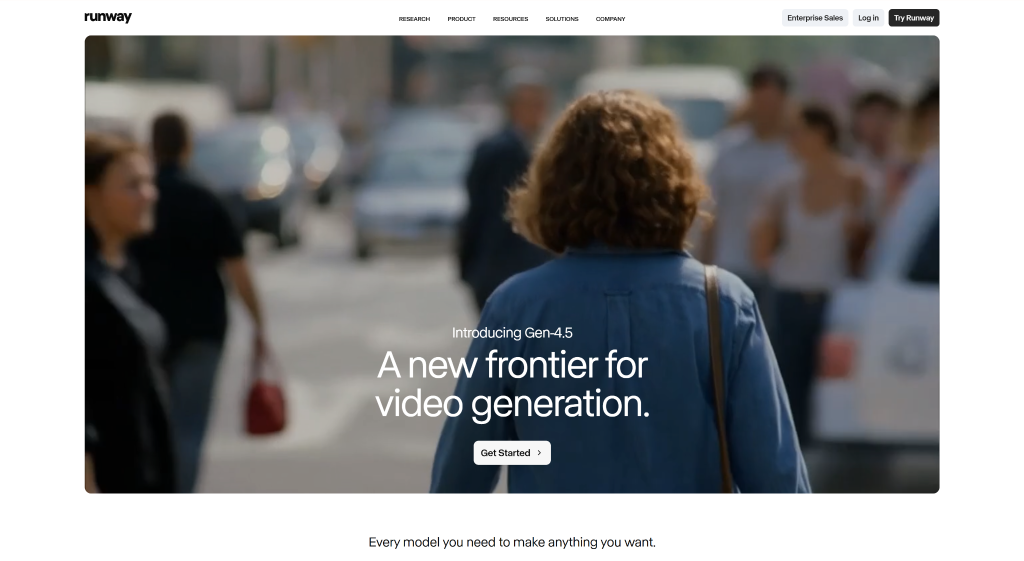
The AI video generation landscape in 2026 offers creators two standout choices: Runway, the professional’s studio, and Pika, the rapid prototyping playground. Both transform text into video, but they serve fundamentally different creative needs. Understanding their strengths—and where they fall short—is essential before committing your workflow.
Runway Gen-4: The Cinematic Control Room
Contents
Runway has evolved into a comprehensive post-production suite. The latest Gen-4 architecture prioritizes creative control and temporal consistency above all else . For creators who need to maintain a specific brand aesthetic or weave together multi-shot narratives, Runway remains the industry standard.
Key Strengths:
- Professional ecosystem: Seamless integration with tools like Adobe Premiere and frame-by-frame inpainting capabilities .
- Style preservation: Excellent at maintaining artistic coherence across generations, making it ideal for client work requiring approval cycles .
- Higher resolutions: Supports up to 4K output for broadcast-quality content .
However, this power comes with complexity. Runway demands a steeper learning curve and longer rendering times . More critically, even its advanced “Consistent Character” features struggle beyond 5-7 shots—facial features begin drifting, and environmental changes can trigger complete character reinterpretation .
Pika 2.5: Speed and Creative Play

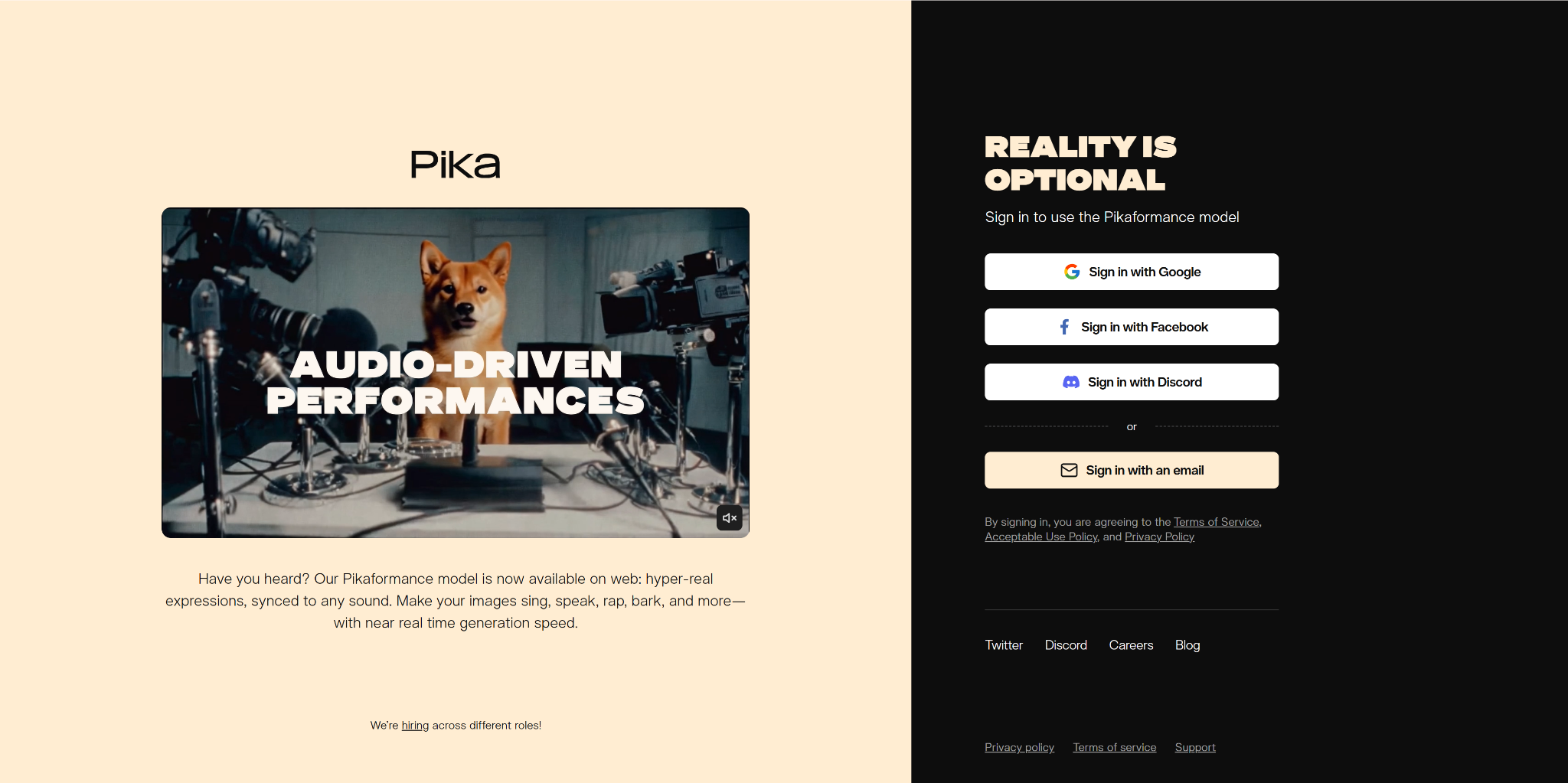
Pika takes the opposite approach: velocity and accessibility. Now at version 2.5, Pika delivers more realistic visuals and smoother motion while maintaining its signature ease of use .
Key Strengths:
- Blazing fast iteration: Generate shorts in seconds, perfect for social media”s relentless content demands .
- Creative toolkit: Features like Pikaffects, Pikaframes, and Pikaswaps let you transform ordinary clips into surreal, engaging moments .
- Beginner-friendly: Minimal learning curve with generous free credits to experiment .
The trade-off? Pika leans toward stylized animation rather than photorealism . Character consistency degrades rapidly when prompts introduce new environments—the model essentially “reinterprets” subjects based on scene priors .
The Real Challenge: Fragmented Workflows
Here’s the problem neither platform solves alone. Marketing director Maya Chen recently attempted to produce a 12-second product explainer with a consistent host. Runway delivered six solid clips before character drift forced endless regenerations. Pika held strong through five clips, then introduced lens flares that obscured faces and added phantom second characters .
Her conclusion? Neither platform delivered a usable sequence end-to-end. She ended up stitching clips together in DaVinci Resolve—a 14-hour production detour.
This fragmentation reflects a deeper architectural reality: today’s diffusion models treat each generation as statistically independent. There’s no persistent character state, no memory across shots .

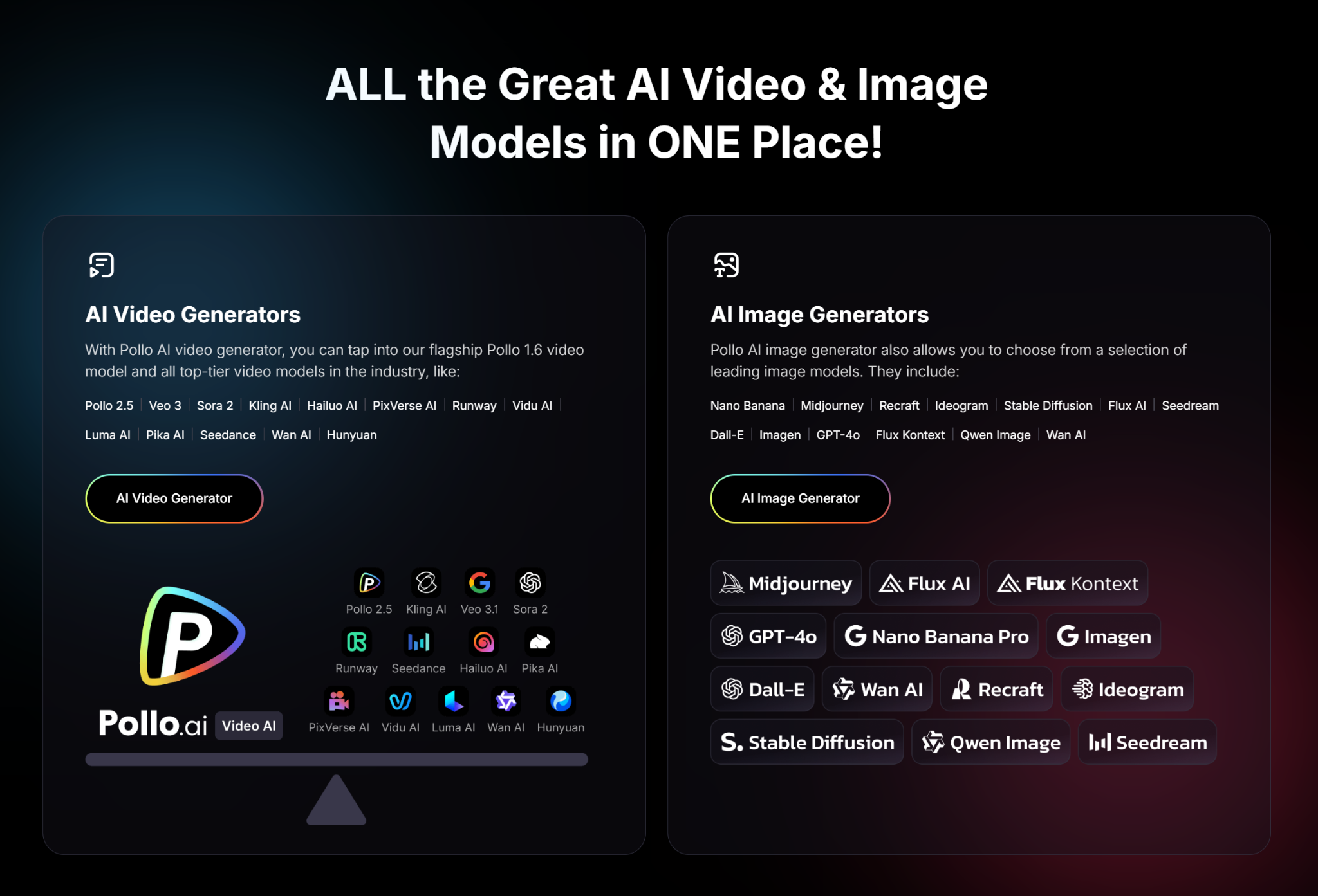
This is where Pollo AI enters as the smart creator’s workaround. Instead of forcing one model to do everything—and hitting those consistency walls—Pollo aggregates multiple leading engines under a single dashboard .
What Pollo AI Offers:
- Access to everything: Switch between Sora 2, Kling AI, Runway, Luma, and Google Veo 3 instantly—no separate subscriptions required .
- Model matching: Use Kling 2.0 for photorealistic product shots , then Pika for stylized social effects, all within the same project.
- Consistent Character tools: Purpose-built features to maintain visual identity across scenes, addressing the core weakness of standalone platforms.
- Video creator app: Pollo AI is accessible on both webpage and mobile phone.
For creators, this isn’t just convenience—it’s production insurance. When Runway drifts at Shot 8, you immediately test the same prompt in Kling without leaving your workflow. When Pika introduces weird artifacts, Luma might deliver the clean render you need.
Verdict: Choose Your Weapon, Then Arm Your Arsenal
- Choose Runway if your priority is cinematic control, brand consistency, and integration with professional editing pipelines .
- Choose Pika if you need rapid social content, creative effects, and zero learning curve .
- But choose Pollo AI if you want to stop hedging your bets and start shipping. The future of AI video isn’t pledging allegiance to one model—it’s having the right tool for every shot, all in one place.
Your next viral video is one click away. The only question is: which model will you click first?