


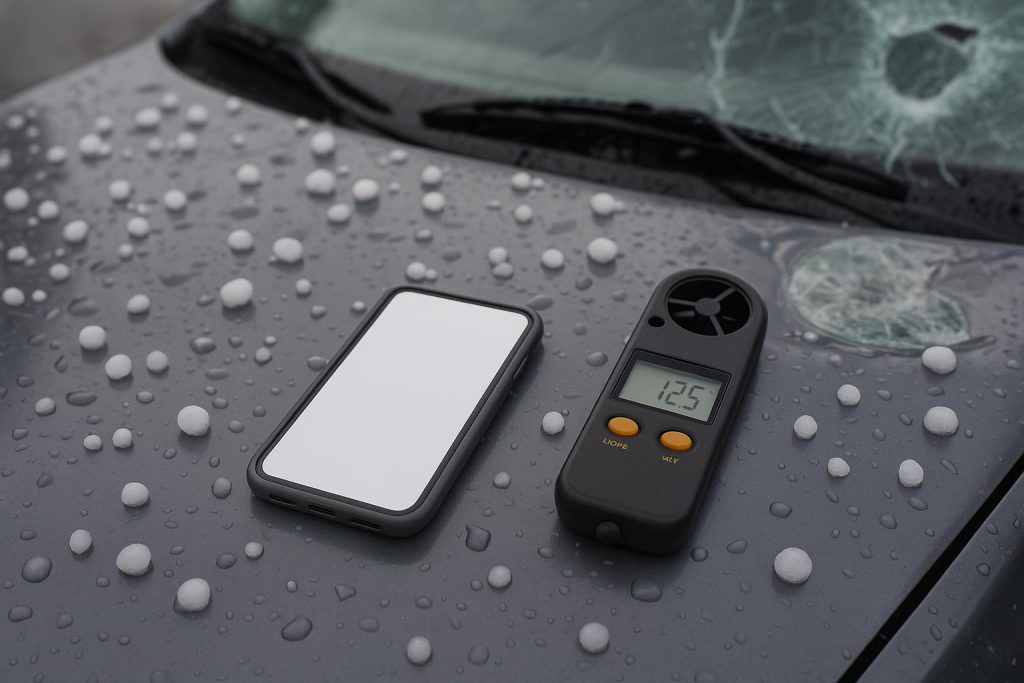
Hail is loud. It’s also fast, and by the time the sky clears you’re left staring at a yard full of shredded leaves and wondering what happened to the roof you can’t see from the driveway, the one that’s supposed to keep water out of your walls for the next twenty years. That’s where your phone, a few cheap sensors, and a contractor with a drone can do a lot of the heavy lifting. In the Texas Panhandle, where spring storms can drop ice the size of golf balls, plenty of homeowners call a local outfit like CRS Roofing & Construction to get eyes on the roof without anyone climbing a damaged surface.
Start With Your Phone Camera, Right Away
Contents
Don’t wait. The best documentation happens in the first hour, before rain, wind, or a helpful neighbor moves anything.
Walk the property slowly, and shoot wide photos of each side of the house first so an adjuster can see how everything fits together, then move in close on dented gutters, cracked window screens, chipped paint on the siding, and dings on the AC unit’s fins. Those soft metal surfaces tell an insurance adjuster a lot about hail size and direction. Put a coin or a ruler next to hailstones in the grass and photograph them too, since they’ll melt in minutes.
A few phone habits make this evidence far more useful later:
- Turn on location tagging in your camera settings so every image carries GPS data.
- Leave the original timestamps alone and skip filters or heavy edits.
- Record a short narrated video walking around the house, saying what you see.
- Back everything up to a cloud folder the same day, named with the storm date.
That’s the only checklist you need. Everything else is about getting help from people with better angles.
Why Drone Photos Beat a Ladder
Climbing onto a roof after hail is a bad idea for most people, because granules come loose, shingles get slick underfoot, and the kind of damage an adjuster cares about (soft bruises in the mat, cracked tabs, dented vents) is easy to miss or even make worse with a careless step. Skip it. Drones fix the angle problem. A trained operator can capture the whole roof plane by plane, zoom in on bruised shingles and lifted tabs, and do it in a fraction of the time a hand inspection takes.
CRS Roofing & Construction offers free roof inspections that include drone photos and a written report. That combination matters. Photos alone are just pictures; a written report ties each image to what it shows and what it probably means for repairs or an insurance claim. The company is locally owned in Amarillo, also serves Lubbock and the wider Panhandle, and has completed more than 1,000 projects in the region.
Ask for the files. Good contractors will send you the images so you can keep them alongside your own phone shots.
Smart Leak Sensors Are Cheap Insurance
Here’s a thing a lot of people miss. Hail damage doesn’t always leak on day one. A cracked shingle or a punctured vent boot can sit quietly for weeks, then let water in during the next heavy rain while you’re at work or on vacation.
Sensors help. Small Wi-Fi or Zigbee water sensors cost far less than a ceiling repair. Place them in the attic near roof penetrations, under bathroom vents, beside the water heater, and in any spot where you’ve seen stains before. When moisture shows up, your phone buzzes.
Keep a Digital Claim Folder
Insurance claims after a big storm can drag on for weeks, partly because adjusters are stretched thin and partly because every homeowner on your street, and the next street, and the one after that, is calling the same insurer during the same few days. Organization helps you stay calm and get answers faster.
Make one shared folder. Drop in your phone photos, the contractor’s drone images and written report, your policy declarations page, and screenshots of any texts or emails with the insurer. Add a simple notes file with dates and names of everyone you speak with. It sounds tedious. It isn’t, really.
CRS Roofing & Construction helps homeowners with the insurance claim process on hail and wind damage, and it offers emergency tarping if the roof is open to the weather while you wait.
Think About What Goes Back on the Roof
If the roof needs replacement, the tech conversation keeps going. Shingles rated to UL 2218 Class 4 are tested for impact resistance, which is the kind of spec that matters in hail country. Metal is another route. Standing seam and R-panel systems are common across the Panhandle on homes, shops, and barns.
A Quick Reality Check
No app replaces a trained set of eyes. Your phone can capture evidence, sensors can warn you about water, and a drone can see what you can’t reach, but someone still has to interpret all of it and fix what’s broken. Get the photos, get the inspection, and get a written report in hand before you sign anything.
Done? Then go take a picture of the clear sky. You earned it.