


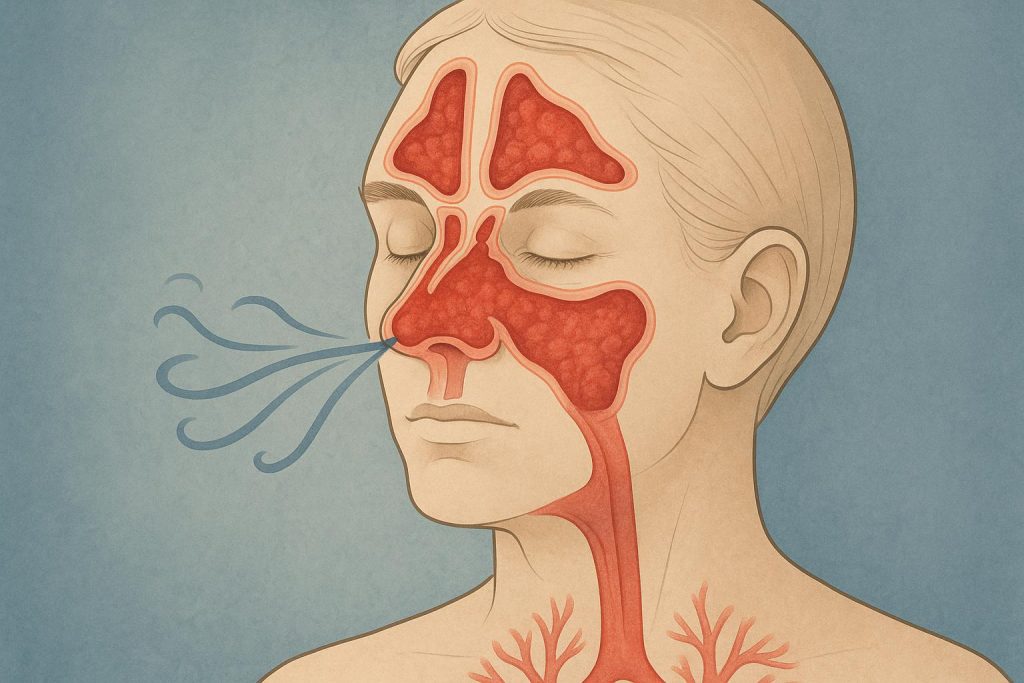
A blocked nose is one of the most frequent reasons people seek medical advice, yet it is often underestimated or ignored until symptoms begin to interfere with daily life. In Singapore, where warm temperatures, high humidity, and urban living dominate year-round, nasal congestion is particularly common. For many individuals, this persistent nasal blockage is closely linked to allergies, especially allergic rhinitis.
Unlike countries with defined allergy seasons, Singapore’s climate allows allergens to thrive throughout the year. This means residents may experience ongoing or recurrent symptoms rather than short, seasonal flare-ups. Understanding how allergies contribute to nasal congestion, recognising warning signs, and knowing when to seek medical care are essential for effective and lasting relief.
What Does a Blocked Nose Actually Mean?
Contents
- What Does a Blocked Nose Actually Mean?
- The Link Between Allergies and Nasal Congestion
- Common Allergy Triggers
- Recognising Allergy Symptoms Early
- When Nasal Congestion May Signal Something More
- How Doctors Diagnose Blocked Nose and Allergies
- Treatment Options for Allergy-Related Nasal Congestion
- Lifestyle Measures and Prevention Strategies
- When Should You See a Specialist?
- Living With Allergies
A blocked nose, medically referred to as nasal congestion, occurs when the lining of the nasal passages becomes inflamed and swollen. While many people assume congestion is caused by excessive mucus, the primary issue is often inflammation of blood vessels within the nasal tissues. This swelling narrows the nasal airway, making breathing feel difficult or restricted.
Blocked nose causes range from temporary viral infections to chronic inflammatory conditions. Allergies are among the most common reasons for persistent or recurring congestion, particularly in individuals exposed to environmental allergens daily.
The Link Between Allergies and Nasal Congestion
Allergies develop when the immune system reacts excessively to harmless substances such as dust or mould. When these allergens enter the nasal passages, the body releases chemical mediators like histamine. This triggers inflammation, increased blood flow, and mucus production, all of which contribute to nasal blockage.
Repeated exposure to allergens can cause long-term inflammation of the nasal lining. Over time, this may result in chronic nasal congestion that persists even in the absence of obvious triggers. In such cases, symptoms are no longer occasional but become part of everyday life.
Common Allergy Triggers
Singapore’s environment plays a significant role in the high prevalence of allergic nasal conditions. High humidity levels create an ideal breeding ground for allergens, particularly indoors.
Common allergy triggers in Singapore include:
- House dust mites, frequently found in mattresses, pillows, curtains, and sofas
- Mould spores, especially in bathrooms, kitchens, and poorly ventilated spaces
- Air pollution and haze, which irritate the nasal lining and worsen inflammation
- Pet dander, particularly in enclosed apartments
- Cockroach allergens, more prevalent in densely populated residential areas
These allergy triggers in Singapore are present year-round, which explains why many people experience persistent symptoms rather than seasonal discomfort.
Recognising Allergy Symptoms Early
Recognising allergy symptoms early is important because timely intervention can prevent symptoms from becoming chronic or more difficult to manage. A blocked nose caused by allergies is often only one part of a broader immune response affecting the upper respiratory tract.
Early identification allows appropriate treatment to be started sooner, helping reduce inflammation, improve breathing comfort, and minimise disruption to sleep, work, and daily activities.
Typical allergy symptoms include:
- Persistent or alternating nasal congestion
- Frequent sneezing, particularly after waking up
- Clear, watery nasal discharge
- Nasal or throat itching
- Watery, itchy, or red eyes
- Postnasal drip causing throat irritation
- Reduced sense of smell in prolonged cases
Unlike infections, allergic symptoms usually occur without fever and may persist for weeks or even months if untreated.
When Nasal Congestion May Signal Something More
While nasal congestion is often linked to allergies, persistent or worsening symptoms may indicate an underlying condition requiring further evaluation. Ongoing blockage that does not respond to standard allergy treatments can suggest structural abnormalities or chronic inflammation. Identifying these causes early helps guide appropriate management and prevents long-term complications affecting breathing and sinus health.
These conditions may include:
- Chronic sinusitis, where inflamed sinuses lead to prolonged congestion and facial pressure
- Nasal polyps, which physically obstruct airflow
- Deviated nasal septum, causing airflow imbalance between nostrils
- Non-allergic rhinitis, triggered by smoke, strong odours, or temperature changes
Persistent symptoms that do not improve with standard treatments warrant further evaluation by a doctor to determine the underlying cause.
How Doctors Diagnose Blocked Nose and Allergies
Diagnosing blocked nose and allergies involves more than identifying visible symptoms. Doctors assess symptom patterns, duration, and possible environmental triggers to distinguish allergies from infections or structural issues.
Accurate diagnosis helps avoid unnecessary medications and ensures treatment targets the underlying cause, leading to more effective symptom control and reduced risk of recurrent nasal congestion.
Diagnostic methods may include:
- Physical examination of the nose and throat
- Nasal endoscopy, allowing direct visualisation of internal nasal structures
- Allergy testing, such as skin prick tests or blood-based assays
- Imaging studies, including CT scans when sinus disease is suspected
Treatment Options for Allergy-Related Nasal Congestion
Treatment focuses on reducing nasal inflammation, relieving symptoms, and preventing recurrence. Management plans are developed based on the severity of symptoms, their duration, and individual triggers. A combination of medical therapy and lifestyle adjustments is commonly recommended to provide lasting relief and improve daily comfort and nasal function.
Common Medical Treatments
- Intranasal corticosteroid sprays, which reduce inflammation over time
- Antihistamines, to counteract allergic reactions
- Saline nasal irrigation, offering safe sinus congestion relief
- Short-term decongestants, used cautiously to avoid rebound congestion
- Leukotriene modifiers, in selected patients with persistent symptoms
Lifestyle Measures and Prevention Strategies
In addition to medical treatment, adopting consistent lifestyle measures can significantly reduce allergy-related nasal congestion. Minimising exposure to common allergens, maintaining clean and well-ventilated living spaces, and practising regular hygiene routines help prevent flare-ups. These strategies support long-term symptom control and improve overall respiratory comfort and wellbeing.
Practical steps include:
- Washing bedding weekly in hot water to reduce dust mites
- Using mattress and pillow covers designed to block allergens
- Improving home ventilation and reducing indoor humidity
- Cleaning air-conditioner filters regularly
- Showering after outdoor exposure during haze periods
- Avoiding drying clothes indoors where mould may grow
These measures support medical treatment and play a key role in sustainable symptom control.
When Should You See a Specialist?
You should consider seeing a specialist when nasal congestion persists beyond three weeks, interferes with sleep, or affects daily activities. Additionally, if facial pain, pressure, or reduced sense of smell occurs, or if over-the-counter treatments provide little relief, an evaluation by an ENT doctor can identify underlying causes and guide effective management.
You should seek further evaluation if:
- Nasal blockage lasts longer than three weeks
- Symptoms disrupt sleep, work, or daily activities
- There is facial pain, pressure, or frequent headaches
- Over-the-counter treatments provide little relief
- Symptoms recur throughout the year
Early intervention can prevent complications such as chronic sinus disease or long-term nasal tissue changes.
Living With Allergies
Blocked nose and allergies are common but manageable conditions. With accurate diagnosis, appropriate treatment, and consistent preventive measures, most individuals can achieve meaningful and lasting relief. Singapore’s healthcare landscape provides access to specialised care, allowing patients to address symptoms early and effectively.
Understanding personal triggers, recognising early allergy symptoms, and seeking timely medical advice can significantly improve breathing comfort, sleep quality, and overall health. Rather than accepting nasal congestion as a normal part of life, proactive management allows individuals to regain control and breathe easier every day.