


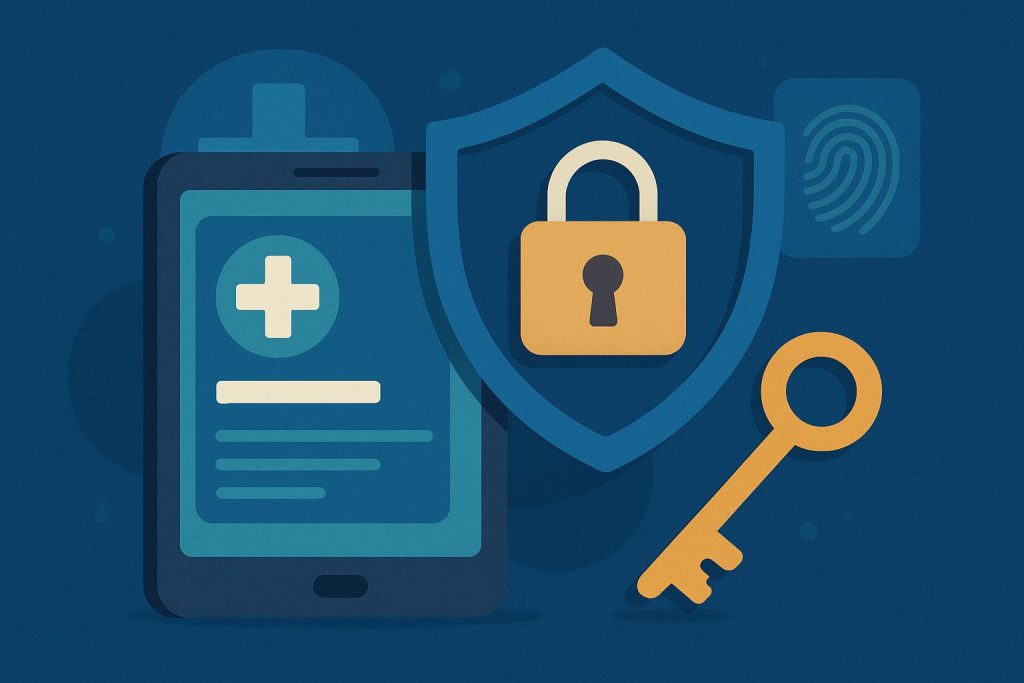
Healthcare has become increasingly digital over the past decade. Patients can now schedule appointments online, access electronic medical records, participate in virtual consultations, and use mobile apps to monitor their wellbeing. These innovations have made healthcare more accessible while also increasing the importance of secure digital account management.
As more healthcare services move online, protecting patient information has become a shared responsibility between providers and users. Resources from BBC Health regularly report on advancements in digital health, medical technology, and cybersecurity, highlighting how healthcare organizations continue adapting to meet growing patient expectations while safeguarding sensitive information.
Many healthcare platforms, wellness applications, and patient portals require phone verification during registration to help secure user accounts. Services such as SMSPool Chevron SMS Service can assist with temporary SMS verification for eligible one-time registrations, allowing users to complete account setup efficiently while keeping their primary phone number separate from services they may only use occasionally.
The Growing Role of Digital Healthcare
Contents
- The Growing Role of Digital Healthcare
- Why Account Security Matters in Healthcare
- Choosing Reliable Digital Health Platforms
- Supporting Better Patient Experiences
- Developing Safe Digital Habits
- These practical steps complement the security measures implemented by healthcare organizations, and mirror the kind of digital-hygiene advice tech publications like Kemotech regularly cover across consumer software and devices.
- Balancing Accessibility and Privacy
Healthcare providers now offer a wide range of online services that improve convenience and patient engagement. Digital platforms allow individuals to manage many aspects of their care without visiting a medical facility for every interaction.
Common digital healthcare services include:
- Online appointment scheduling
- Telemedicine consultations
- Electronic health records
- Prescription refill requests
- Laboratory result portals
- Health monitoring applications
- Patient education resources
These services reduce administrative burdens while helping patients access care more efficiently.
Why Account Security Matters in Healthcare
Medical information is among the most sensitive forms of personal data. Unauthorized access can expose confidential health records, insurance information, and personal identification details.
Healthcare organizations commonly strengthen security through:
| Security Measure | Purpose |
| Multi-factor authentication | Protects user accounts |
| Secure password requirements | Reduces unauthorized access |
| Encrypted communication | Protects transmitted information |
| Session timeouts | Prevents unauthorized device access |
| Identity verification | Confirms legitimate users |
Combining these measures helps maintain patient trust while supporting regulatory compliance.
Choosing Reliable Digital Health Platforms
Patients increasingly rely on mobile applications and online portals to manage appointments, communicate with healthcare providers, and access educational resources. Selecting trustworthy services helps reduce privacy risks while improving the overall user experience.
Look for Strong Privacy Practices
Healthcare platforms should clearly explain how patient information is collected, stored, and protected. Transparent privacy policies demonstrate accountability and build user confidence.
Evaluate Security Features
Features such as encrypted connections, secure login systems, and account recovery options contribute to safer digital healthcare experiences.
Consider Ease of Use
Accessible interfaces encourage patients of all ages to manage their healthcare independently while reducing frustration during routine tasks.
Industry experts continue emphasizing the importance of digital transformation across healthcare. Insights published by Forbes frequently examine how emerging technologies, cloud computing, and artificial intelligence are improving healthcare delivery while supporting better patient outcomes.
Supporting Better Patient Experiences
Digital tools do more than improve administrative efficiency. They also help patients become more engaged in their own healthcare by making important information easier to access.
Benefits of well-designed healthcare platforms include:
- Faster appointment scheduling
- Improved communication with providers
- Easier access to medical records
- Better medication management
- More convenient follow-up care
- Increased patient engagement
When technology supports these activities effectively, patients often experience greater confidence in managing their health.
Developing Safe Digital Habits
Healthcare providers invest heavily in protecting patient information, but users also play an important role in maintaining account security.
Helpful habits include:
- Using strong, unique passwords.
- Enabling multi-factor authentication whenever available.
- Avoiding public Wi-Fi for accessing medical records.
- Reviewing account activity regularly.
- Logging out of shared devices.
- Keeping recovery information current.
These practical steps complement the security measures implemented by healthcare organizations, and mirror the kind of digital-hygiene advice tech publications like Kemotech regularly cover across consumer software and devices.
Balancing Accessibility and Privacy
Healthcare technology should make accessing medical services easier without compromising personal privacy. Whether scheduling appointments, communicating with physicians, or reviewing laboratory results, patients benefit from platforms that combine convenience with responsible security practices.
As digital healthcare continues to evolve, secure account verification, thoughtful platform design, and informed user habits will remain essential components of a safe and efficient healthcare experience. By embracing trusted technologies while following sensible security practices, patients can confidently take advantage of the many benefits modern digital healthcare has to offer.