


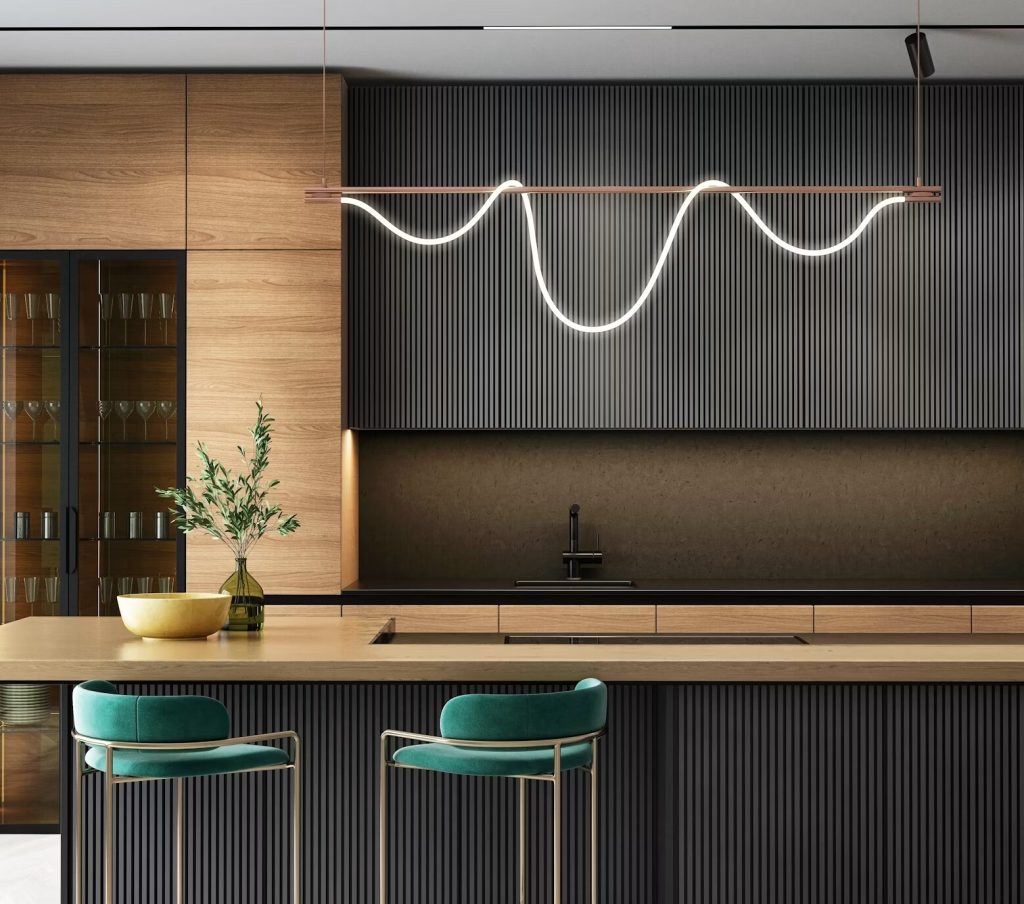
Smart kitchen technology can turn a complicated dinner into a manageable series of well-timed steps. Connected appliances, precision tools, and meal-planning apps reduce guesswork. They also help home cooks get consistent results, whether they’re making everyday meals or special occasion lobster tails. You don’t need to replace every appliance to get the best setup. Just a few compatible devices can handle routine tasks, track temperatures, and keep dinner moving even when your attention shifts elsewhere.
Connecting Your Culinary Space
Contents
A connected kitchen needs reliable Wi-Fi and a clear goal. Smart ovens, refrigerators, countertop appliances, and voice assistants can share updates through apps, but compatibility varies. Check that devices work with your phone and existing smart-home system before buying.
Start with one frequently used appliance. A smart oven may offer remote preheating, temperature alerts, and guided cooking. Smart plugs can add scheduling or remote shutoff to compatible appliances. This guide to smart plugs explains their practical uses.
Useful app-controlled kitchen gadgets include coffee makers and countertop ovens. Focus on features that solve a real problem.
Keep devices clearly named, enable security updates, use strong passwords, maintain a good Wi-Fi signal, and limit unnecessary notifications. Physical controls should remain available in case an app or service fails.

Gadgets for Precision Cooking
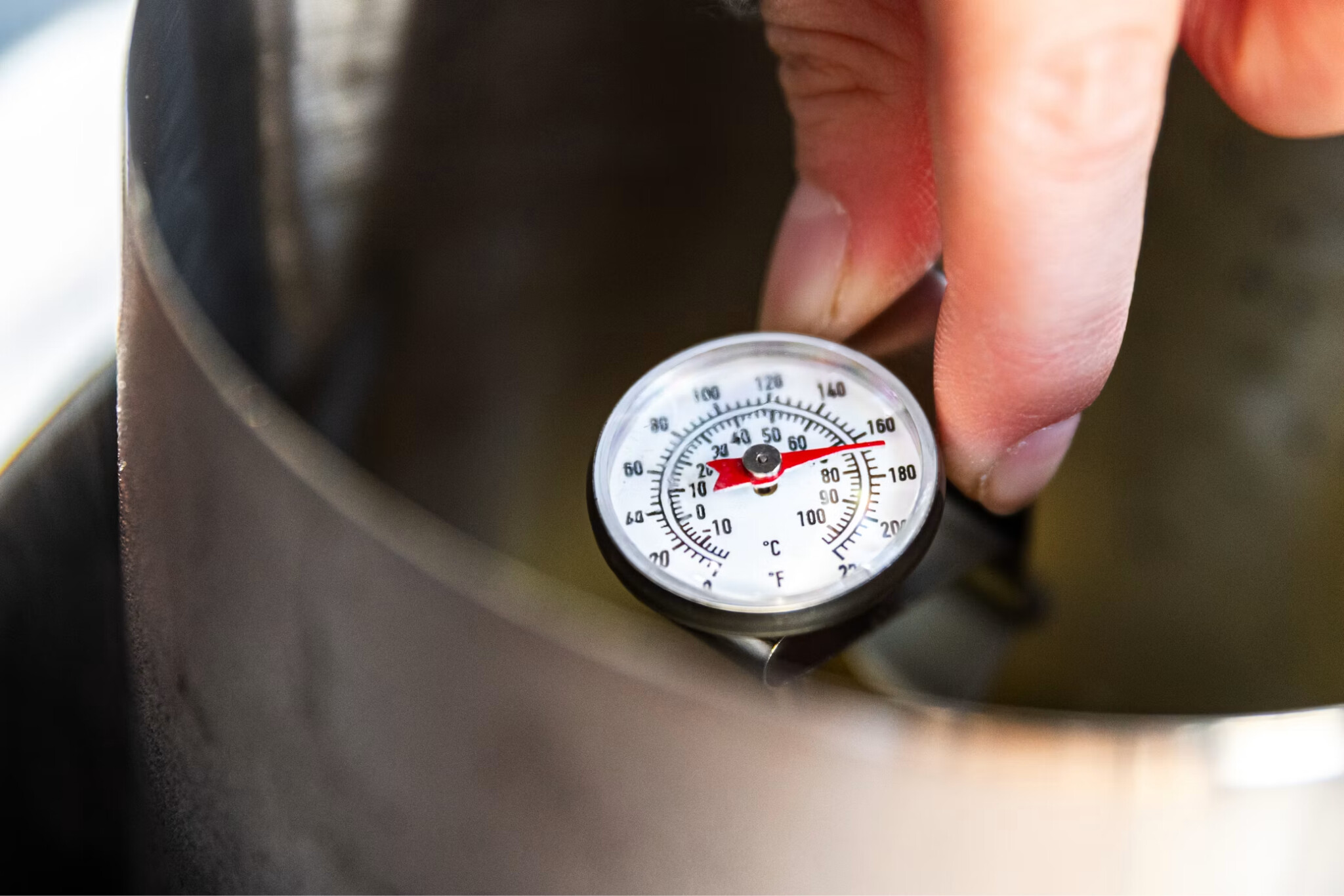
Temperature affects texture, moisture, and food safety. A digital thermometer provides quick readings, while connected probes offer live updates and may estimate cooking time.
Precision tools are especially useful for premium ingredients. If you order jumbo lobster tails from Maine Lobster Now, a thermometer and timer can help prevent overcooking. Follow the product’s preparation directions and use temperature to confirm doneness.
An immersion circulator provides precise temperature control for eggs, vegetables, and proteins, while a kitchen scale improves baking accuracy by weighing ingredients.
Some systems combine cookware, sensors, and step-by-step instructions. This guided cooking technology can adjust heat as a recipe progresses, helping with techniques such as searing and pan sauces.
Choose tools that are accurate, easy to clean, and simple enough for everyday use. A gadget is only useful if you actually use it.
Streamlining Meal Prep with Apps
Meal-planning apps can organize recipes, shopping lists, and preparation schedules all in one place. Start by adding three to five meals for the week, then let the app combine their ingredients into a shopping list. Check that list against your pantry before placing an order, since automatic lists might include staples you already own.
The most useful apps support ingredient scaling. If a recipe serves six and you’re cooking for four, the software can recalculate quantities without you doing the mental math. Still, review the numbers carefully. Cooking times and pan sizes don’t always scale directly with ingredient amounts.
Recipe apps also help manage timing. For a dinner with roasted vegetables, a stovetop sauce, and a baked main course, set alerts for when each component should start. Work backward from your planned serving time:
1. Set the time when the main dish should rest or finish cooking.
2. Schedule side dishes based on their expected cooking times.
3. Add reminders for tasks like preheating the oven or bringing refrigerated ingredients to the counter.
4. Save the final five minutes for plating and checking temperatures.
Several smart kitchen gadgets can pair with recipe tools, but app support can change over a product’s lifespan. Export favorite recipes as PDFs or save a printed copy so they don’t disappear if a service closes.
Avoid filling your phone with overlapping subscriptions. Test free versions first and keep the app that saves you noticeable time each week. A simple shared shopping list might provide more value than a feature-heavy platform that no one in the household remembers to update.
Elevating Home Dining Experiences
Technology can improve the dining experience without making the table feel like a control center. Smart lighting is one of the easiest upgrades because you can create separate settings for preparation, dinner, and cleanup. Bright task lighting helps you see food clearly while cooking. A warmer, lower setting makes the dining area more comfortable once the plates arrive.
Use technology to support timing behind the scenes. A warming drawer or low oven can briefly hold heat-resistant dishes while you finish a sauce. A smart speaker can run multiple named timers, such as “vegetables” and “dessert,” which prevents confusion when several components cook at once. Keep its volume low during dinner, so alerts don’t interrupt conversation.
Presentation still depends on a few practical choices:
- Warm plates for hot food and chill dishes meant for cold courses.
- Leave open space around each serving instead of crowding the plate.
- Use consistent portions so everyone gets a similar serving.
- Add sauces shortly before serving to keep textures crisp.
- Choose serving dishes that fit the amount of food without looking empty or overloaded.
Digital menus can be fun for a themed dinner, but a tablet at every place setting might feel distracting. One shared display near the kitchen can show the menu, dietary notes, or the evening’s music controls. Once dinner begins, switch nonessential notifications off.
The same restraint applies to automated shades, color-changing bulbs, and synchronized audio. Set them before guests arrive, then leave them alone. A polished home dinner feels effortless when technology handles small jobs quietly and gives the cook more time at the table.
The Future of Food Delivery
Food delivery now extends beyond restaurants. Online grocers, specialty retailers, and meal kits provide access to hard-to-find ingredients, while better insulation and tracking make perishables easier to manage.
Future systems may connect pantry data with meal plans, but customer approval remains important to prevent ordering mistakes and food waste. Temperature sensors and improved tracking could also provide better shipment records and delivery estimates.
For now, use delivery technology as a planning tool. Check shipping dates, store perishables properly, and inspect packages on arrival. If food arrives warm, damaged, or questionable, contact the seller and don’t taste it.
Smart kitchen technology works best when it solves a specific problem. Choose tools that make cooking simpler, more useful, and easier to control.