


The most useful smart-home upgrade may not be a new appliance. It may be the small adapter that gives an existing lamp or device a place in a daily routine.
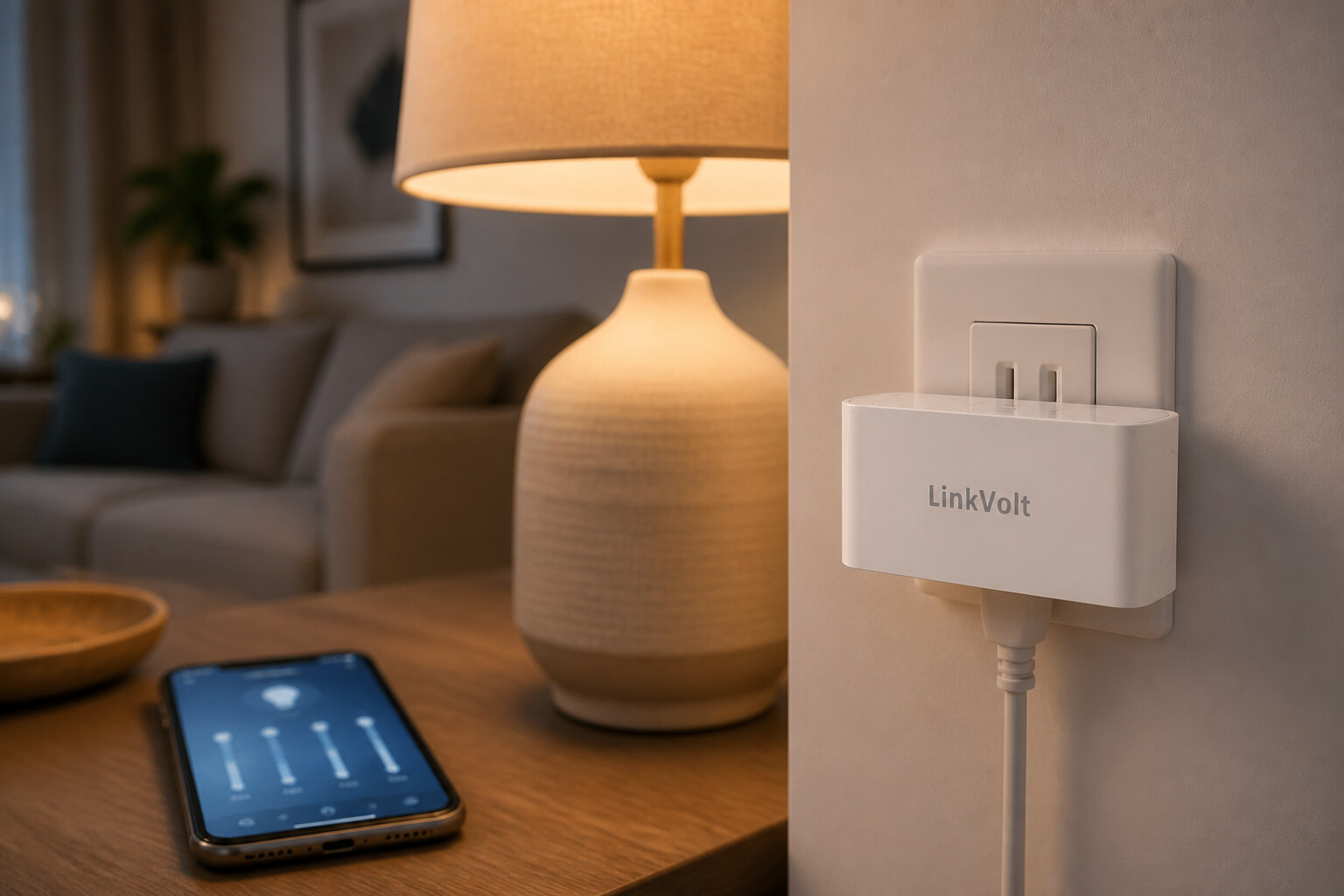
A LinkVolt Wi-Fi smart plug used with a living-room lamp.
Smart homes often look impressive in demonstrations: lights change color on command, shades move automatically and appliances report their status from across the room. Real homes are messier. They contain a mix of old and new products, several brands and plenty of devices that work well without an app.
That is why the humble smart plug remains one of the easiest entry points into home automation. It can add basic scheduling and remote control to a compatible device without requiring the homeowner to replace the device itself.
Small upgrades are easier to live with
Contents
Large smart-home projects can create a chain of decisions about hubs, wiring, ecosystems and installation. A smart plug has a narrower job. It controls the flow of power to one compatible device, making it easier to test whether a routine is actually useful before investing in a larger system.
This approach is especially appealing for renters and people who do not want to change permanent fixtures. A table lamp, decorative light or other simple on-off load can become part of a schedule while the underlying product stays the same.
The best routine solves a real annoyance
A useful automation begins with a repeated behavior. Maybe someone walks back downstairs every night to check a lamp. Maybe a work-from-home setup is switched on and off at the same times each weekday. Maybe seasonal lighting should run for a few evening hours rather than remain on until morning.
A product such as the LinkVolt Wi-Fi smart plug can provide the control point for those routines. The link between product and problem should stay direct: one predictable device, one clear schedule and a manual way to override it when plans change.
Starting small also makes troubleshooting easier. If a routine does not work as expected, the user knows exactly which outlet, device and schedule to review.
Remote control is helpful, but scheduling is often better
The ability to switch a device from a phone attracts attention, but scheduled control is often the feature people use most consistently. A well-designed schedule works quietly in the background and does not require anyone to remember another task.
Voice control can be convenient in shared spaces, while app control helps when the outlet is behind furniture or otherwise awkward to reach. The important point is to choose the interaction that removes friction rather than adding another notification or screen.
Not every appliance belongs on a smart plug
A smart plug is not a universal adapter for every electrical load. Users should confirm that the device they want to control falls within the plug manufacturer’s stated rating and is appropriate for switched operation. Appliances that generate significant heat, draw high current or require a controlled shutdown deserve extra caution.
It is also important to think about what happens when power returns after an outage. Some appliances remain off, some resume their previous state and others require a button press. That behavior can determine whether a planned automation is practical.
What to look for before buying
Physical design comes first. The plug should sit securely in the outlet, leave reasonable access to neighboring receptacles and avoid putting strain on the connected cord. A visible status indicator and accessible manual button make everyday use easier.
Software matters just as much. Setup should be understandable, schedules should be easy to edit and household access should be manageable. Buyers should also check Wi-Fi compatibility, especially when a home network separates frequency bands or uses advanced security settings.
Finally, consider where the device will be used. An indoor smart plug should remain indoors and dry. Outdoor control requires equipment specifically intended for that environment.
A smarter home does not need to be complicated
The appeal of a smart plug is not that it turns an ordinary lamp into science fiction. Its appeal is that it makes a familiar device slightly easier to manage. That modest improvement is often more valuable than an elaborate automation that nobody remembers how to use.
For anyone curious about home automation, the best first project is simple: choose one compatible device, create one useful routine and live with it for a week. If the routine saves time without creating confusion, the smart home has already started doing its job.