


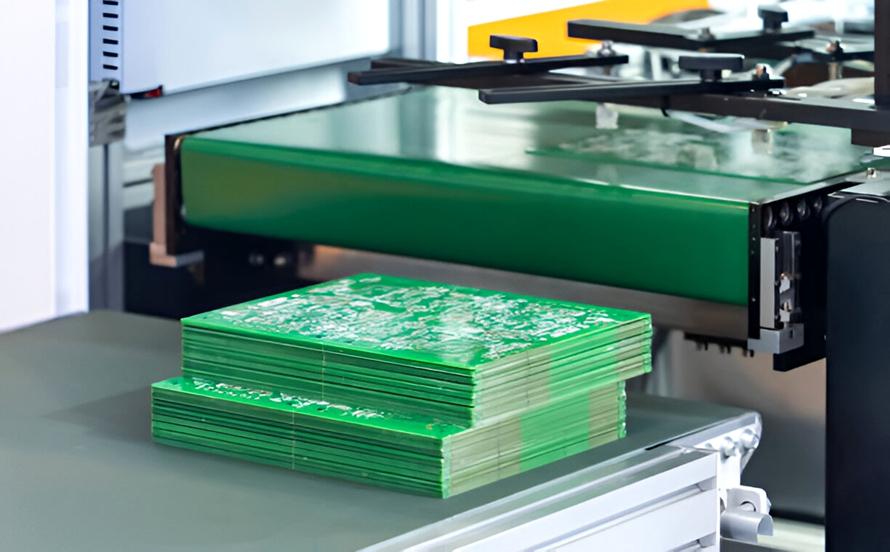
Consignment PCB assembly is a manufacturing approach where the customer provides all or most of the components required for assembling printed circuit boards, while the assembler focuses primarily on the fabrication and assembly process. This model is particularly beneficial for companies that already have reliable supply chains or access to specific components, allowing them to maintain better control over costs and inventory.
Unlike turnkey assembly, where the manufacturer handles procurement, consignment assembly relies on customers to manage part sourcing. The assembly partner then utilizes its expertise, equipment, and workforce to complete the PCB assembly according to the customer’s design specifications.
Advantages of Consignment PCB Assembly
Contents
One of the major advantages of consignment PCB assembly is cost control. Since the customer supplies the components, they can source parts directly from their preferred vendors or use existing inventory. This reduces the assembler’s markup and helps companies manage their budgets more effectively.
Another key benefit is inventory utilization. Many businesses often have stockpiles of electronic components that may otherwise remain unused. With consignment assembly, these parts can be put to work, reducing waste and maximizing the value of existing resources.
Additionally, consignment assembly allows for greater flexibility and transparency. Customers know exactly which components are being used in their boards, which is particularly important for sensitive applications such as medical devices, defense electronics, or aerospace systems where traceability and quality assurance are critical.
Challenges in Consignment PCB Assembly
While consignment PCB assembly offers clear benefits, it also presents some challenges. Component quality and compatibility are among the most common concerns. If customers provide counterfeit, obsolete, or damaged components, it can result in assembly delays, defects, or product failures. Manufacturers must carefully inspect supplied parts before beginning assembly.
Logistics also play an important role. Coordinating the timely delivery of all necessary parts to the assembler can be complex, especially for large production runs. Missing or delayed components may slow down production, which can impact delivery schedules.
Another challenge involves accountability. Since the customer provides the components, the assembler’s responsibility may be limited if issues arise due to defective parts. Clear agreements and communication are therefore essential to avoid misunderstandings.
Applications of Consignment PCB Assembly
Consignment PCB assembly is commonly used by companies in industries where specialized or high-value components are required. For example, medical electronics often involve parts with strict regulatory requirements, which customers may prefer to source directly. In defense and aerospace, where supply chain security is critical, consignment assembly ensures that only verified, trusted components are used.
Startups and small businesses also benefit from consignment assembly when they wish to maintain cost efficiency. By leveraging existing inventory or sourcing parts from local vendors, they can reduce expenses while still taking advantage of professional assembly services.
This approach is also popular in prototyping and pilot production runs. Engineers may want to test specific components sourced directly from manufacturers or distributors to validate performance before scaling up to larger runs.
How Consignment Assembly Supports Collaboration
Consignment PCB assembly fosters a strong partnership between the customer and the assembler. The customer brings their expertise in sourcing, inventory management, and product knowledge, while the assembler provides technical skills, machinery, and quality control. This collaboration allows both sides to focus on their strengths while creating reliable, cost-effective products.
For many companies, this hybrid model serves as a steppingstone to turnkey solutions. After gaining confidence in their assembly partner and processes, they may eventually transition to full turnkey assembly when scaling production, while still retaining the option for consignment in certain projects.
Conclusion
Consignment PCB assembly offers companies a practical, flexible, and cost-effective way to bring their electronic products to life. By leveraging their own component sourcing strategies and existing inventory, businesses can maintain better control over costs while ensuring product reliability. Although it presents some logistical and quality control challenges, consignment assembly remains an attractive choice for organizations that value transparency and customization in their manufacturing process.
If you are looking for a reliable PCB assembly company to handle consignment projects with precision, quality, and efficiency, partnering with an experienced manufacturer can help streamline your production while meeting your unique requirements.