


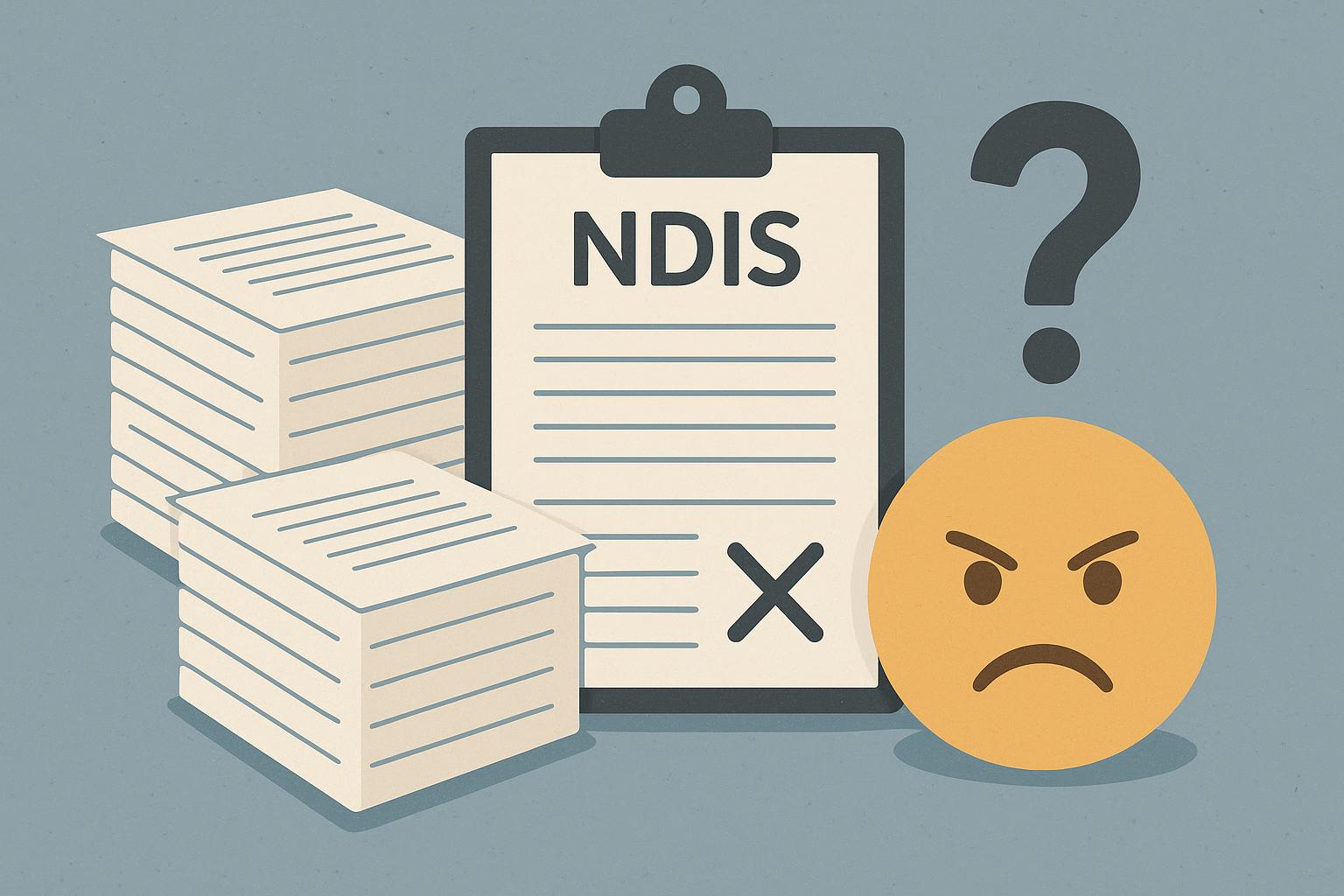
For many Australians living with disability, the National Disability Insurance Scheme (NDIS) represents a vital opportunity to access support and achieve greater independence. However, while the NDIS has helped countless people, the application and review processes can often feel overwhelming and complicated. From unclear communication to lengthy waiting times, participants and their families frequently report frustrations that add unnecessary stress to an already challenging journey. The right tools, such as reliable NDIS software, can help streamline some of these processes for providers, but for applicants themselves, navigating the system still presents hurdles.
Lengthy Waiting Times
Contents
One of the most common frustrations is the waiting period between lodging an application and receiving an outcome. While the NDIS aims to process applications as efficiently as possible, delays are not unusual. This can leave individuals without essential supports for extended periods, creating anxiety and financial strain for families who must manage in the meantime.
Complex Documentation Requirements
Applicants are often required to provide extensive medical and supporting evidence to demonstrate eligibility. The paperwork can be confusing, especially for those who do not have strong literacy or administrative skills. Even when forms are completed correctly, there may still be requests for additional information, which prolongs the process and creates further frustration.
Inconsistent Communication
Clear communication is vital in any government process, but many NDIS participants report difficulty in receiving timely updates or explanations about their applications. Letters and emails often contain technical language that is hard to interpret, and participants may struggle to contact the right person for clarification. This lack of transparency can lead to feelings of exclusion and mistrust.
Challenges with Plan Reviews
Once approved, an NDIS plan is not permanent. Reviews are a standard part of the system, intended to ensure that supports remain relevant to the participant’s needs. Unfortunately, these reviews are often a source of stress. Participants may feel pressured to “justify” their support needs all over again, with the risk of funding being reduced if evidence is not presented effectively.
Lack of Individualised Consideration
Although the NDIS is designed to provide personalised support, many participants feel that their unique circumstances are not always adequately considered. Standardised assessments sometimes fail to capture the nuances of a person’s daily life, leading to outcomes that don’t fully meet their needs. This can be particularly frustrating for those who have taken the time to provide detailed evidence and explanations.
Emotional and Mental Strain
The application and review processes can take an emotional toll on participants and their families. Repeatedly providing evidence of disability can be confronting, and the uncertainty of outcomes can contribute to stress, fatigue, and even disengagement from the system.
Moving Towards Better Experiences
While these frustrations are significant, steps can be taken to improve the NDIS experience. Providers adopting efficient systems and tools can help reduce administrative burdens, while clearer communication and greater empathy from the agency can make participants feel more supported. In the long run, streamlining processes and focusing on individual needs will ensure that the NDIS truly delivers on its promise of empowering Australians with disability.