


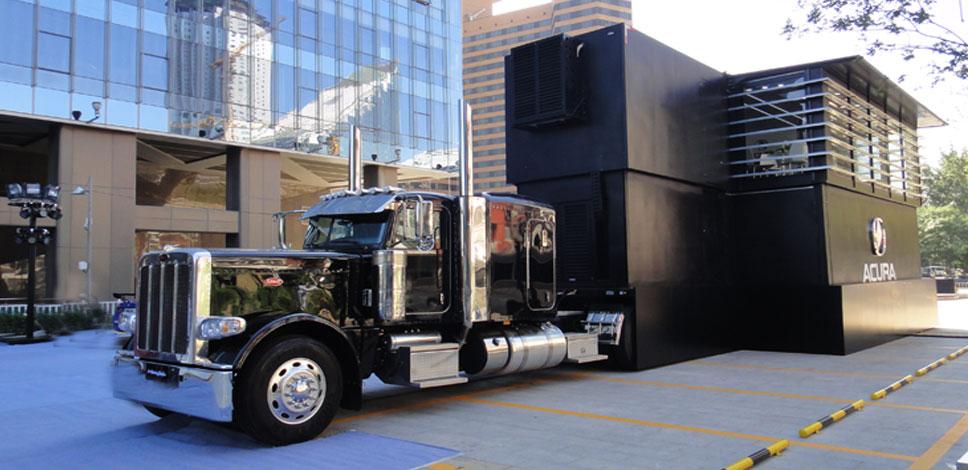
In a shift away from static trade show booths, businesses are embracing the power of mobile experiential marketing. The exhibition trailer, a versatile and powerful tool, allows brands to take their message directly to their audience, creating immersive experiences that drive engagement and sales. But with a wide range of options available, from compact urban units to massive articulated showrooms, selecting the right size is a critical decision that impacts logistics, audience capacity, and the overall brand experience. This guide will help you determine the perfect size for your next roadshow trailer or truck.
Key Factors in Choosing Your Exhibition Trailer Size
Contents
Before looking at specific models, you must first define your campaign’s objectives. The right size is not about being the biggest, but about being the most effective for your specific goals.
1. Event Type and Location
A large, 13-meter roadshow truck is perfect for a national product launch at a festival but impractical for navigating the narrow streets of a historic city center. The planned venue—be it an urban precinct, corporate campus, or exhibition hall—is a primary filter for feasible trailer size.
2. Target Audience and Footfall
Calculate the number of people you need to accommodate at any given time. A good rule is to ensure enough space for each staff member to engage with one or two guests simultaneously without overcrowding. A VIP hospitality lounge requires a different capacity than a high-volume product sampling station.
3. Interaction Level and On-Board Experience
The planned activities dictate the necessary layout. An interactive gaming setup or a virtual reality demonstration needs an open floor plan with a robust power supply, while private financial consultations require separate, sound-proofed zones. Consider if the main engagement will be internal or if the trailer will serve as a hub for a larger outdoor footprint with awnings and stages.
4. Logistics and Other Considerations
Beyond the event itself, consider the entire operational picture. This includes secure storage for the trailer between events, sourcing adequate power on-site, and ensuring access routes are clear. Crucially, the trailer’s weight determines licensing requirements; trailers over 3,500 kg require a specially licensed HGV driver, a significant operational and cost consideration.

Common Exhibition Trailer Size Categories
Trailers can be grouped into three general categories, each suited for different strategic applications.
1. Small-Format Solutions (Under 7 Meters)
These agile trailers and van conversions are designed for maximum mobility and ease of use.
- Best For: Quick setups in tight urban areas, product sampling, recruitment drives, and cost-effective brand awareness campaigns. Their compact footprint allows access to locations that are off-limits to larger vehicles.
2. Medium-Format Solutions (7 to 10 Meters)
Offering a balance of impact and manageable logistics, these units often take the form of 7.5-tonne trucks or larger towable trailers.
- Best For: Regional roadshows, in-depth B2B demonstrations, corporate hospitality, and mobile training centers. The increased space allows for more sophisticated interiors with dedicated presentation zones and richer brand experiences.
3. Large-Format Solutions (12 Meters and Above)
These are the flagship assets of the mobile exhibition world, consisting of articulated semi-trailers designed for maximum scale and impact.
- Best For: High-stakes national tours, major product launches, and creating fully immersive brand environments for large audiences. Many feature expanding side pods or even double-decker layouts to create a massive on-site presence.
Pros and Cons of Each Trailer Size
| Size Category | Key Advantages | Key Limitations |
|---|---|---|
| Small | High mobility and urban access , lower operational costs , can be towed without a special license. | Limited internal space and capacity , lower on-site visual impact. |
| Medium | Balanced impact and mobility , versatile interior customization options. | Requires a specialized HGV/CDL driver , increased operational costs , restricted access to some tight locations. |
| Large | Maximum brand presence and on-site impact , high guest capacity , unmatched scale for immersive experiences. | High rental and operational costs , significant logistical planning required , restricted site access. |
Discover Siwun’s Mobile Exhibition Solutions
Leading manufacturers like Siwun offer a portfolio of roadshow solutions designed to meet diverse campaign needs. Their products provide a clear example of how size is aligned with function:
- The 4.2M CityVan: A compact and agile roadshow truck engineered for urban marketing. Its sub-6-meter length provides access to tight city spaces, while an integrated LED screen and stage make it a versatile, self-contained tool for high-frequency local activations.
- The 7.6M Mobile Stage: A medium-format solution that delivers the quality of a permanent stage with the portability of a mobile unit. Its 26m² internal area and large fold-out stage are ideal for festivals, corporate presentations, and regional tours.
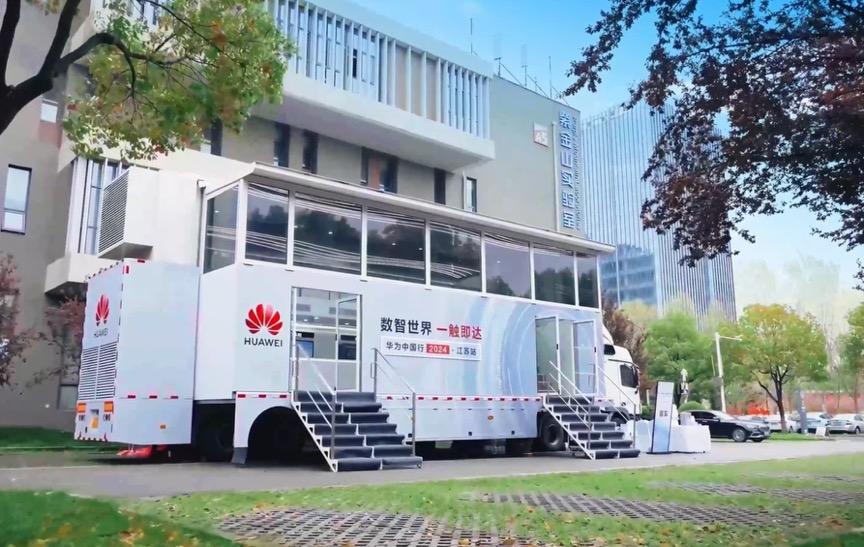
- The 13M Single & Double Decker: These flagship semi-trailers are designed for maximum impact. Offering up to 112m² of customizable space, they are the platform of choice for national tours and immersive brand experiences, as seen in HUAWEI’s comprehensive China Tour.
Conclusion
Choosing the right size for your exhibition trailer is a strategic decision that directly influences the success of your mobile marketing campaign. The optimal choice is a balance between your campaign goals, target audience size, and the logistical realities of your chosen locations.
Before you decide on a size, start by conducting a thorough needs assessment. By clearly defining what you want to achieve, who you want to reach, and where you want to go, you can select a roadshow trailer that is not only the right size but also the right strategic asset to drive your brand forward.