


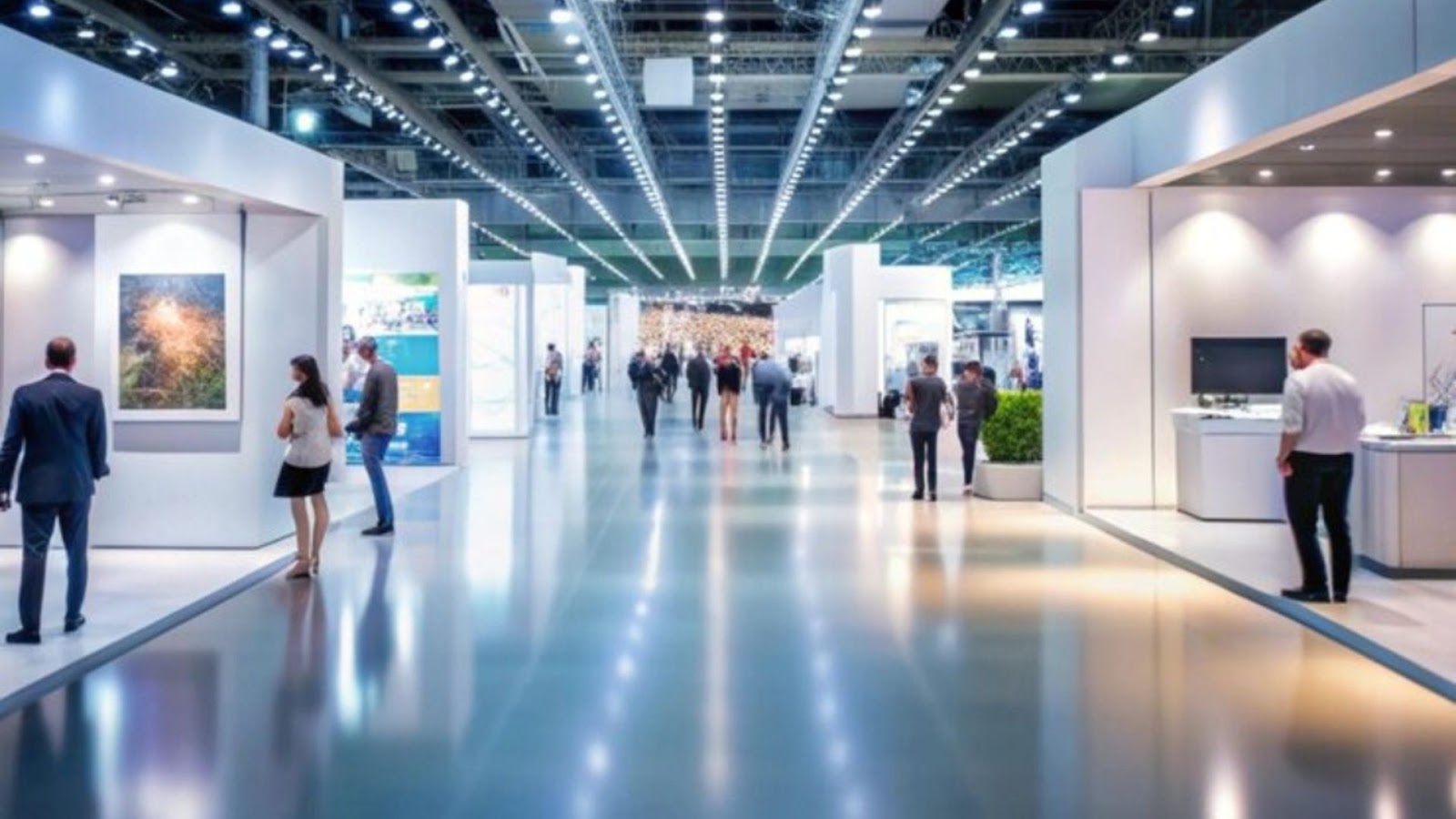
Amid the hustle of the trade show, when trying to get noticed among competitors, it is not just about what looks good, but what tells an interesting story, and the design works to convey your intent. Every booth is an opportunity to connect, engage, educate, and convert attention into engagement. And whether you are creating an interesting story with experiential lighting or compelling your brand narrative through endless digital layers, simply put, attraction is about intention. More exhibitors are adopting virtual trade show exhibitions with their physical booths to expand engagement. The mix of both ensures your brand is either engaged in a live experience or remote engagement, and both experiences are engaging so that the brand remains top of mind well after the show. An impactful trade show displays more than a product—it shows the brand experience through personality experiences, storytelling, and innovation in the execution.
Five Marketing Strategies That Make Trade Show Displays Unforgettable
- Building a Narrative Through Immersive Design
Tradeshow exhibit companies understand that fabulously crafted displays tell a story instead of simply showing a product off. “Telling a story” through layout, visuals, and sensory components gives visitors an experience of the brand’s message, rather than seeing it. Story-driven design uses a cohesive color palette, texture, interactive storytelling elements on screens, soundscapes, and more to engage emotion. When visitors begin to connect with the story playing out in the booth, you have turned that brand into a memory, instead of just a name. An amazing story captivates attention, keeps visitors engaged in dialogue and interaction, and brings the brand to life, rather than just a display of product or information encapsulating the booth identity.
- Integrating Technology for Deeper Engagement
Technology has changed the trade show experience and helped brands create interactive, tailor-made venues. Technology, including augmented reality, touch displays, live demonstrations, and digital kiosks, allows attendees to know what they can touch, interact with, and learn about at their own pace. QR codes provide a quick link to exclusive content, videos, or sign-up forms, which creates an effortless connection between visitors’ physical interaction and digital engagement. Technology is more than just pulling a visitor; it carries credibility and also helps establish your brand’s identity as innovative and flexible. Adding in-person touchpoints with any technology makes sure every interaction within the lead-up engages and communicates to an integrated marketing ecosystem.
- Leveraging Lighting and Spatial Flow for Emotional Impact
The perception of the booth has much in common with the atmosphere of the booth. Intelligently controlled light will focus the eyes of a viewer on the most accentuated products and produce an emotional reaction. Warm colors are comfortable, and cool colors are professional or modern. The space’s traffic, where each corner has a motive for both entering and greeting, has opportunities for comfort and inquisitiveness. This booth space flow is intended to represent how a customer would experience a physical retail space, with discovery and decision-making that is meant to be complementary and inviting. Ultimately, the right lighting and setup of the space can change the booth into an experience.
- Personalization and Data-Driven Insights
A personalized and data-driven trade show booth is more than a fixed display that can be changed to an adjustable experiential one. The observations of audience behavior and preferences will inform all design decisions, including lighting and space movement, among others, so that every aspect appeals to visitors. The use of strategic lighting attracts attention to the major products and defines emotional color: warm colors make it approachable, and cooler colors make it appear innovative and accurate. Based on the number of visitors, one can choose the layout of the space and design the flow accordingly for an open interaction space and a dedicated discussion space. This emotional design and analytical insight balance reflects how consumers browse retail environments and takes them intuitively toward interest in purchasing. With data and design in harmony, the booth transforms into not only a structure, but also an emotionally intelligent, individualized environment, enhancing brand bonding.
- Consistent Branding Across All Touchpoints
Memorability is built on consistency. All visuals and verbal cues (from before an event to any follow-up) must be aligned with the brand’s messaging. The memorability factor is strengthened when logos, color schemes, and tagging are all consistently represented across every banner, every uniform, printed piece, and digital screen. Having the booth décor look and feel connected to the marketing experience increases the strength of a unified identity from online engagement to on-site attendance. Consistency fosters more than a sense of professionalism—it reflects a sense of predictability and reliability. These two attributes are subconscious representations of the trustworthiness and competence that potential clients and partners look for.
End Point
Success in trade shows relies upon not just visibility, but also emotion, clarity, and strategy. Memorable displays are a mix of understanding the audience and combining imagination with structure. Whether created physically or virtually through virtual trade show exhibits, the essence is always to create a connection through experience. Leverage storytelling, technology, design, and repeatability to create an experience that immerses the audience and affirms their reason for attending. The art of attraction is not all about the show, but also about being authentic, leaving each visitor with an experience that reflects innovation and integrity. A great display goes beyond a moment’s viewing and creates an ongoing connection that becomes measurable brand growth as a result of the trade show.