


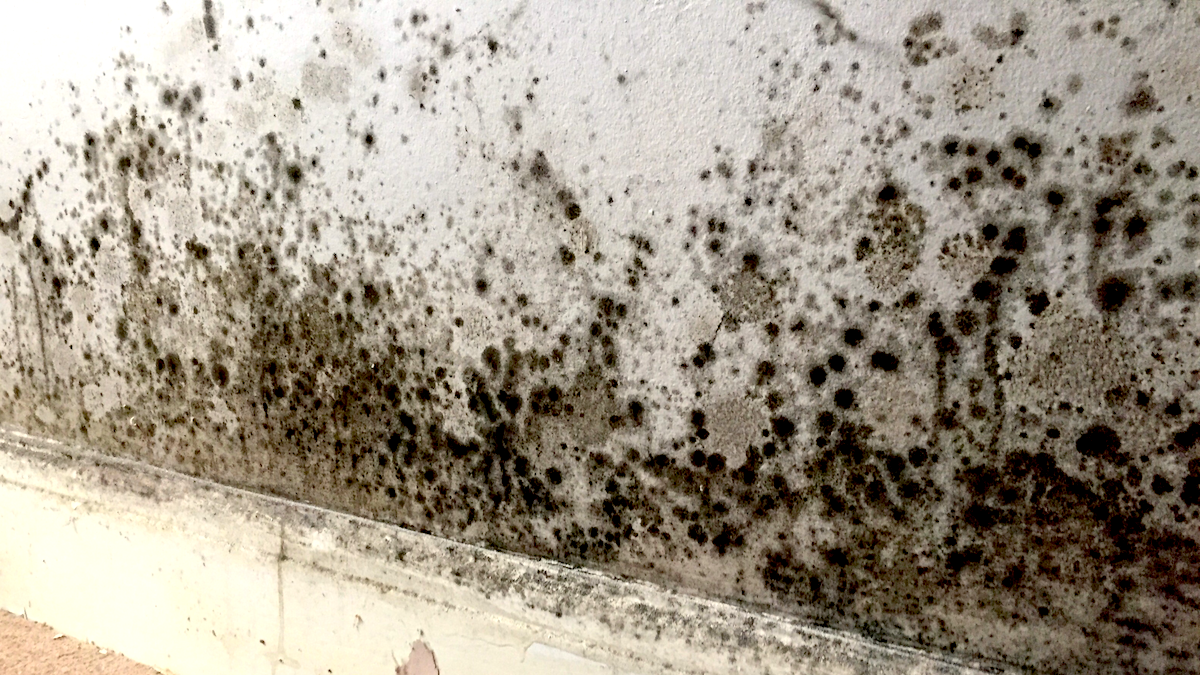
Florida’s warm and humid climate always creates the perfect storm for mold to grow. With average humidity levels that often exceed 70% and frequent heavy rains—especially during hurricane season—homes across the Sunshine State face persistent mold risks. What often starts out as a small patch behind a bathroom tile can quickly escalate into a serious health and structural issue if ignored. Industry experts estimate that more than 70% of Florida homes have some level of hidden mold, making proactive management essential.
Understanding Florida’s Unique Mold Challenges
Contents
Mold thrives at its best when three conditions align: moisture, warmth, and an organic food source (think drywall, wood, or carpet). In Florida, air-conditioning systems that aren’t properly maintained can become moisture factories, while poor ventilation traps humid air indoors. Coastal salt air and flooding from tropical storms only compound the problem. Common culprits include Stachybotrys chartarum (black mold), Aspergillus, and Penicillium species—all of which can trigger allergies, asthma flare-ups, and, in severe cases, more serious respiratory issues.
Safe and Effective Mold Removal Techniques
Many Florida homeowners will often make the mistake of grabbing bleach the moment they spot black mold in their home. Although bleach kills surface mold growth on non-porous materials, it doesn’t penetrate porous surfaces like drywall or wood where mold roots live and thrive. Even worse, the water in bleach can feed remaining spores.
Professionals follow the EPA and IICRC S520 standards:
- Contain the area with plastic sheeting and negative air pressure to prevent spore spread.
- Remove affected porous materials (drywall, insulation, carpet) when contamination exceeds 10 square feet or when saturation is deep.
- HEPA-vacuum all surfaces, then wipe with EPA-registered antimicrobial solutions specifically formulated for mold.
- Use commercial-grade air scrubbers during and after remediation to capture airborne spores.
For small mold patches that are under 10 square feet on non-porous surfaces, homeowners can handle the cleanup themselves—provided they wear an N95 respirator, gloves, and eye protection—but anything larger than that warrants the help from local certified mold removal professionals.
Professional Mold Remediation: When DIY Isn’t Enough
Florida law doesn’t require mold remediators to be licensed, which has led to inconsistent quality. Homeowners should look for technicians holding certifications from the Institute of Inspection Cleaning and Restoration Certification (IICRC) or the National Organization of Remediators and Mold Inspectors (NORMI). A legitimate remediation company will:
- Perform pre- and post-remediation air sampling by an independent third-party lab.
- Provide a written scope of work and clearance report.
- Address the moisture source—without this step, mold returns in weeks.
Post-Hurricane Ian in 2022, southwest Florida saw a huge surge in unscrupulous contractors. While, reputable mold remediation companies were booked solid for months, underscoring the importance of vetting companies before disaster strikes.
Mold Prevention Strategies That Actually Work in Florida
Prevention beats remediation every single time. Florida homeowners should prioritize these measures:
- Maintain indoor humidity below 50% year-round with properly sized dehumidifiers (look for Energy Star models with built-in pumps).
- Service HVAC systems annually; replace filters quarterly and ensure drain pans and coils stay clean and dry.
- Install exhaust fans in bathrooms and kitchens that vent outdoors—not into attics.
- Use mold-resistant drywall and paints (containing mildewcides) in high-risk areas.
- Grade soil away from the foundation and keep gutters clean to prevent water intrusion.
- After any flooding, begin drying within 24–48 hours; materials wet longer than that usually require removal.
Smart home upgrades like Wi-Fi hygrometers and leak detectors can help provide early warnings before visible mold does appear.
Florida’s climate won’t change, but smart maintenance and swift action can keep homes healthy. When in doubt, consult with a certified mold remediation company rather than gambling with your family’s health or your home value. A mold-free Florida home isn’t impossible, but it requires serious focus, vigilance, and the right year-round mold prevention strategies.