


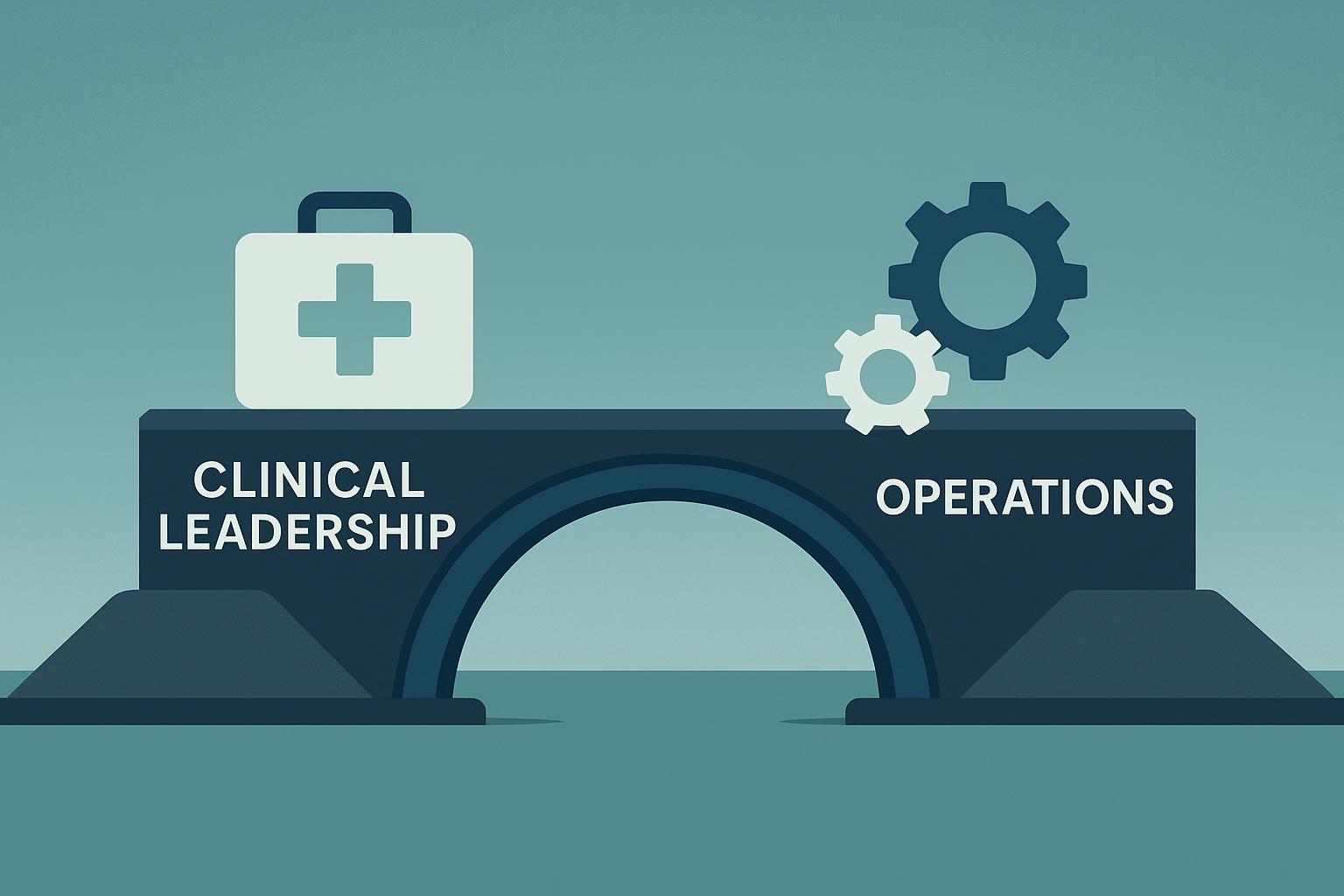
Shifting Paradigms in Clinical Leadership
Contents
- Shifting Paradigms in Clinical Leadership
- Foundational Pillars of Medical Leadership Excellence
- Embedding the Medical Director in Quality Improvement
- Data-Driven Decision Making for Operational Efficiency
- Fostering Cross-Functional Collaboration in Complex Systems
- Ensuring Regulatory and Ethical Compliance at All Tiers
- Cultivating Innovation and Adaptability in Healthcare Culture
- Redefining Success Metrics for Tomorrow’s Healthcare Leaders
The gap between cutting-edge clinical research and the realities of daily patient care is widening at an uncomfortable pace. Lab breakthroughs stall before they reach the bedside, leaving frontline teams working with outdated playbooks. Traditional lines between clinicians and administrators are blurring as healthcare demands faster decisions and leaner resource use. Physicians now sit in budget meetings, managers join ward rounds. The fusion of clinical insight with operational strategy is not a nice-to-have—it is the only path forward. In environments where lives depend on minutes, leadership must pull from journals and balance sheets with equal fluency.
Foundational Pillars of Medical Leadership Excellence
Strategic planning keeps care delivery aligned with long-term institutional goals, ensuring patient services match evolving demands. Financial literacy sharpens the ability to invest wisely, preventing waste and securing budget for high-impact programs. Communication builds trust across silos, driving staff engagement and minimizing friction. Each competency has been validated in industry reports like the American College of Healthcare Executives’ findings on leadership efficiency, and in peer-reviewed studies on hospital performance. These pillars are not theory—they directly influence resource allocation, staff morale, and operational stability. Medical leadership without them is an empty title.
Embedding the Medical Director in Quality Improvement
A medical director is not ornamental. They design detailed protocols, monitor compliance, and track performance metrics with surgical precision. In one hospital, strategic changes to discharge planning cut readmission rates by 14 percent within a quarter. In another, tweaking OR scheduling reduced wait times by 22 percent while increasing case throughput. These aren’t abstract gains. Reduced costs, sharper efficiency, and rising patient satisfaction scores define the outcome. The role tilts the balance from reactive firefighting to proactive performance shaping, weaving operational control directly into clinical care delivery.
Data-Driven Decision Making for Operational Efficiency
Real-time dashboards flag bottlenecks before they swell into crises. Predictive analytics forecast staffing needs with uncanny accuracy, preventing overwork and burnout. Outcome registries turn anecdotal success into quantifiable progress. Analytics guide everything from supply chain purchasing to surgical case prioritization, aligning resources with patient flows. This is where clinical leadership stops relying on instinct and starts steering with evidence. Efficiency is no longer about cutting corners—it’s about structuring each move on a foundation of live, actionable data.
Fostering Cross-Functional Collaboration in Complex Systems
Clinical Team Leadership operates best when every role pulls toward the same operational and clinical target. Physicians, nurses, administrators, and support staff must synchronize actions. Best practices include daily interdisciplinary huddles to surface problems early, KPI scorecards shared across departments to keep transparency intact, and joint training sessions where operational and clinical priorities merge naturally. Collaboration here is more than politeness—it’s a tactical alignment that keeps the machine from grinding against itself.
Ensuring Regulatory and Ethical Compliance at All Tiers
Hospitals navigate an intricate web of accreditation bodies, mandatory reporting protocols, and privacy statutes. Compliance is not paperwork—it is protection for patient trust and institutional credibility. Leaders who treat it as a nuisance invite public backlash, lawsuits, and operational disruption. Ethical frameworks, when embedded at decision points, create guardrails that prevent shortcuts from eroding care quality. This is leadership that safeguards not only outcomes but the legitimacy of the entire healthcare operation.
Cultivating Innovation and Adaptability in Healthcare Culture
Pilot programs in telemedicine, AI-assisted diagnostics, and mobile health platforms should be tested aggressively, not timidly. Empower frontline teams to pitch solutions and experiment on small scale before scaling big. Innovation is worthless unless it bleeds into workflow improvements and patient results. Adaptive culture means new tools are absorbed quickly into practice, without months of bureaucratic suffocation. Leaders must keep the organism of healthcare agile.
Redefining Success Metrics for Tomorrow’s Healthcare Leaders
Future pressures will crush leaders who cling to volume-based metrics. Value-based care, shrinking workforce pools, and relentless digital disruption will demand emphasis on safety, patient experience, and measurable value over raw throughput. The leaders worth following will wield vision and operational mastery in equal measure. Equip them now, or watch institutions become irrelevant before they realize the game has changed.