


TL;DR
Contents
- TL;DR
- Understanding the Media Industry
- Popular Career Paths in Media
- Building Skills for Media Careers
- A Growing Industry with Expanding Opportunities
- FAQs
- 1. What career options are available after a Bachelor of Mass Communication?
- 2. Is a Bachelor of Mass Communication a good career choice in India?
- 3. Can students pursue higher studies after this degree?
- 4. What skills are important for media careers?
- 5. Do media careers offer long-term growth opportunities?
- A Bachelor of Mass Communication opens doors to careers in media, journalism and digital platforms.
- Students can work in journalism, advertising, public relations and content creation.
- The media industry values creativity, storytelling and communication skills.
- Digital media has created new roles in social media, video production and online journalism.
- Graduates can also continue their education by earning a Master’s in Journalism and Mass Communication.
- Choosing the right specialisation helps students build strong and rewarding careers.
The media industry offers diverse and exciting career paths, and a Bachelor of Mass Communication can be the starting point for many of them. Students who complete this degree gain training in storytelling, media production, journalism, advertising and public relations. As a result, they can work across print, television, digital media and corporate communication. In simple terms, this programme prepares students to communicate ideas clearly, creatively and responsibly in a fast-changing media environment.
Media today is everywhere. News, entertainment, social platforms and digital storytelling influence how people think and interact. Because of this, skilled communicators are in high demand across industries.
Understanding the Media Industry
The modern media landscape is far more dynamic than it was a decade ago. Traditional platforms such as newspapers and television still matter. At the same time, digital platforms, podcasts and social media channels are expanding rapidly.
Students pursuing a Bachelor of Mass Communication learn how these different platforms function and how stories move between them. They also gain practical exposure to writing, editing, reporting and multimedia production. This mix of theory and practice helps graduates adapt to multiple roles within the industry.
For many students, the degree becomes a stepping stone towards advanced studies, such as a Master’s in Journalism and Mass Communication, which allows deeper specialisation in areas such as investigative journalism or digital media strategy.
Popular Career Paths in Media
Journalism and Reporting
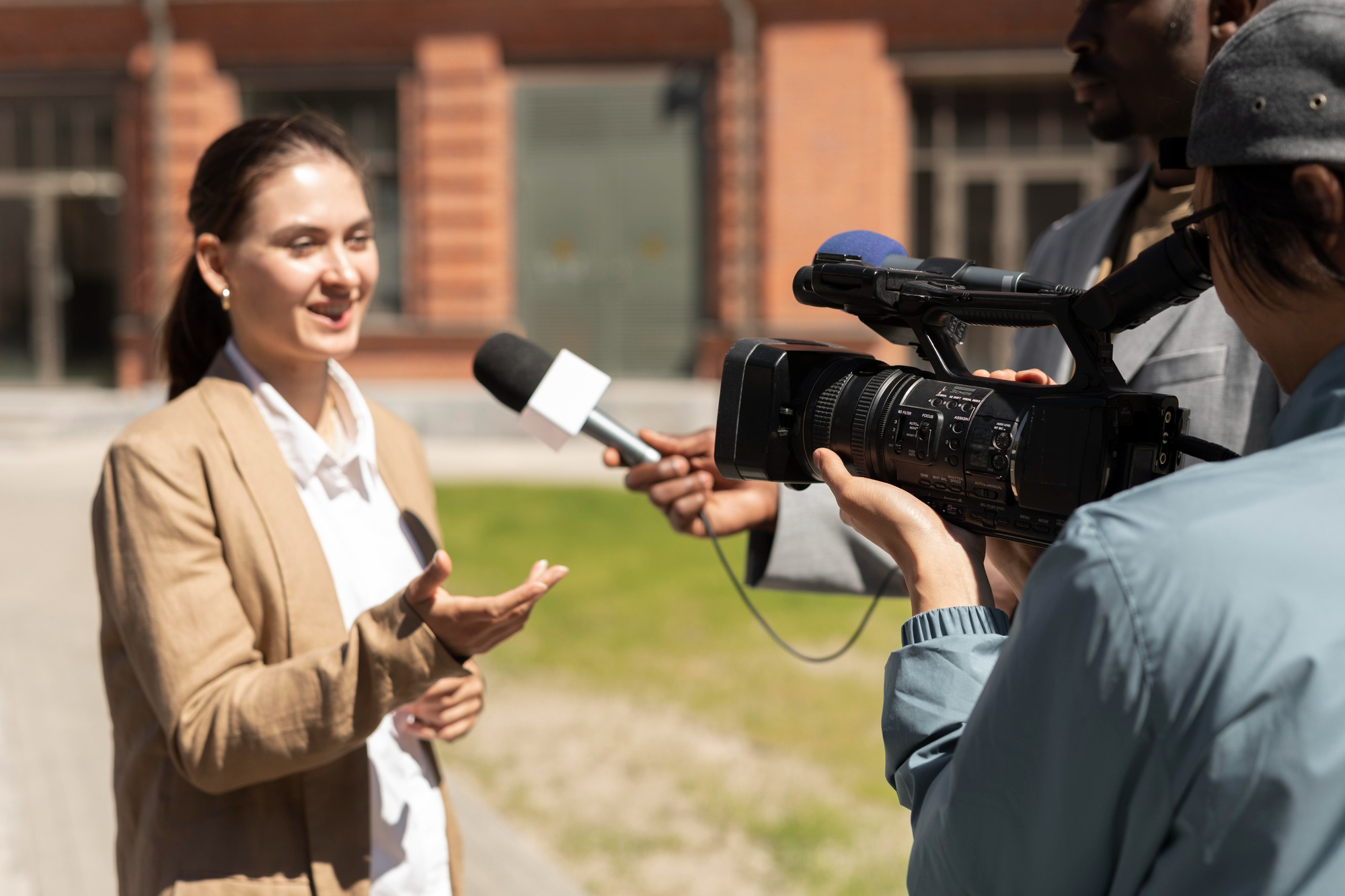
Journalism remains one of the most recognised career choices in the media sector. Reporters gather information, verify facts and present news to the public in a clear and balanced way.
Graduates with a Bachelor of Mass Communication often start as reporters, correspondents or news researchers in newspapers, digital news platforms or television networks. Over time, they can progress to senior editorial roles.
Advertising and Brand Communication
Advertising combines creativity with strategy. Professionals in this field design campaigns that connect brands with audiences through engaging messages.
Students who complete a Bachelor of Mass Communication often find opportunities as copywriters, media planners or advertising executives. These roles involve developing campaign ideas, writing persuasive content and analysing audience behaviour.
Advertising agencies, digital marketing firms and corporate marketing teams regularly hire graduates with communication skills.
Public Relations and Corporate Communication
Building and preserving a favourable reputation for organisations, businesses, and public figures is the main goal of public relations. PR professionals handle media communication, press releases and brand reputation.
Many graduates of Bachelor of Mass Communication programmes work as PR executives or corporate communication specialists. Their role involves interacting with journalists, planning events and managing public messaging during important announcements.
These roles are especially important for companies, government organisations and global brands.
Digital Media and Content Creation
The rise of digital media has created entirely new career opportunities. Social media platforms, video streaming services and online publications now require skilled content creators.
Students who complete a Bachelor of Mass Communication often work as digital content writers, video producers, social media managers or podcast hosts. These roles involve storytelling across multiple formats such as blogs, reels, podcasts and documentaries.
For those who want to specialise further, pursuing a Master’s in Journalism and Mass Communication programme can provide advanced knowledge of digital storytelling, data journalism and media management.
Film, Television and Production
Media production is another exciting career path. It involves creating television shows, documentaries, films and web series.
Students interested in production can work as assistant directors, scriptwriters, video editors or production coordinators. The practical training gained during a Bachelor of Mass Communication helps them understand camera work, editing techniques and storytelling for visual media.
With experience, many professionals move into directing, producing or independent filmmaking.
Building Skills for Media Careers
Success in the media industry requires more than just academic knowledge. Communication skills, curiosity and creativity are essential. Journalists must ask the right questions. Content creators must think visually and narratively. PR professionals must handle sensitive information with clarity and responsibility.
Students who continue their education through a Master’s in Journalism and Mass Communication often gain deeper insight into media ethics, advanced reporting techniques and strategic communication. This additional qualification can open doors to leadership roles within media organisations.
Internships, campus media projects and real-world assignments also play a crucial role in shaping professional confidence.
A Growing Industry with Expanding Opportunities
India’s media sector is expanding rapidly. Digital platforms, regional media channels and online journalism are creating fresh opportunities for young professionals.
Choosing a Bachelor of Mass Communication allows students to enter this evolving field with a strong foundation in storytelling and media understanding. The industry rewards curiosity, adaptability and the ability to communicate with diverse audiences.
For students who enjoy observing society, sharing stories and influencing public conversations, media careers can be both meaningful and exciting.
FAQs
1. What career options are available after a Bachelor of Mass Communication?
Careers in journalism, digital media, advertising, public relations, film production and content creation are available to graduates. Additionally, many are employed by corporate organisations as reporters, copywriters, social media managers or communication specialists.
2. Is a Bachelor of Mass Communication a good career choice in India?
Yes. India’s media and digital communication industries are expanding quickly. News platforms, marketing agencies, production houses and social media companies regularly hire communication graduates with creative and analytical skills.
3. Can students pursue higher studies after this degree?
Yes. Many graduates continue their studies with postgraduate programmes such as a Master’s in Journalism and Mass Communication. This allows them to specialise in areas such as investigative journalism, media research or digital storytelling.
4. What skills are important for media careers?
Strong communication skills, creativity, curiosity and the ability to analyse information are essential. Writing, editing, visual storytelling and digital media skills also help students succeed in the industry.
5. Do media careers offer long-term growth opportunities?
Yes. With experience, professionals can move into senior editorial roles, media management, film production or strategic communication positions. The growing influence of digital media also continues to create new career paths.