


Seasonal maintenance tends to get treated like a chore until a small roofing issue turns into stained drywall, damp insulation, or rot inside the framing. The better approach is to catch stress points before the weather has time to work them open. Homeowners looking into roof repair salt lake city often start after a leak appears. Still, the smartest money is usually spent earlier, when the roof only needs attention and not a major rescue.
What matters most is not a long checklist of random tasks. It is knowing which parts of the roof system take the most punishment as the seasons change, and what early warning signs suggest that moisture is finding a way in. A roof rarely fails all at once. More often, it weakens in predictable places, and then one storm or one freeze-thaw cycle turns a manageable repair into a much larger structural problem.
Why Seasonal Shifts Cause Hidden Damage
Contents
Roofs rarely wear out all at once. The first trouble spots usually show up around flashing, shingle edges, valleys, and gutter lines because those areas deal with constant water flow, expansion and contraction, and daily exposure to the elements. During colder months, moisture can seep into small gaps and widen them as temperatures drop. When the weather turns hot, prolonged sun exposure can dry materials out and leave older sealants cracked or brittle. That cycle of swelling, shrinking, and drying is where small defects begin to spread.
The danger is not always the visible surface damage. Water that gets past the outer layer can soak into the decking, reduce insulation performance, and create conditions for mold or wood decay. By the time a ceiling stain appears indoors, the path of moisture may already be larger than most owners expect. Seasonal upkeep works because it interrupts that chain early.
Start With The Drainage Path
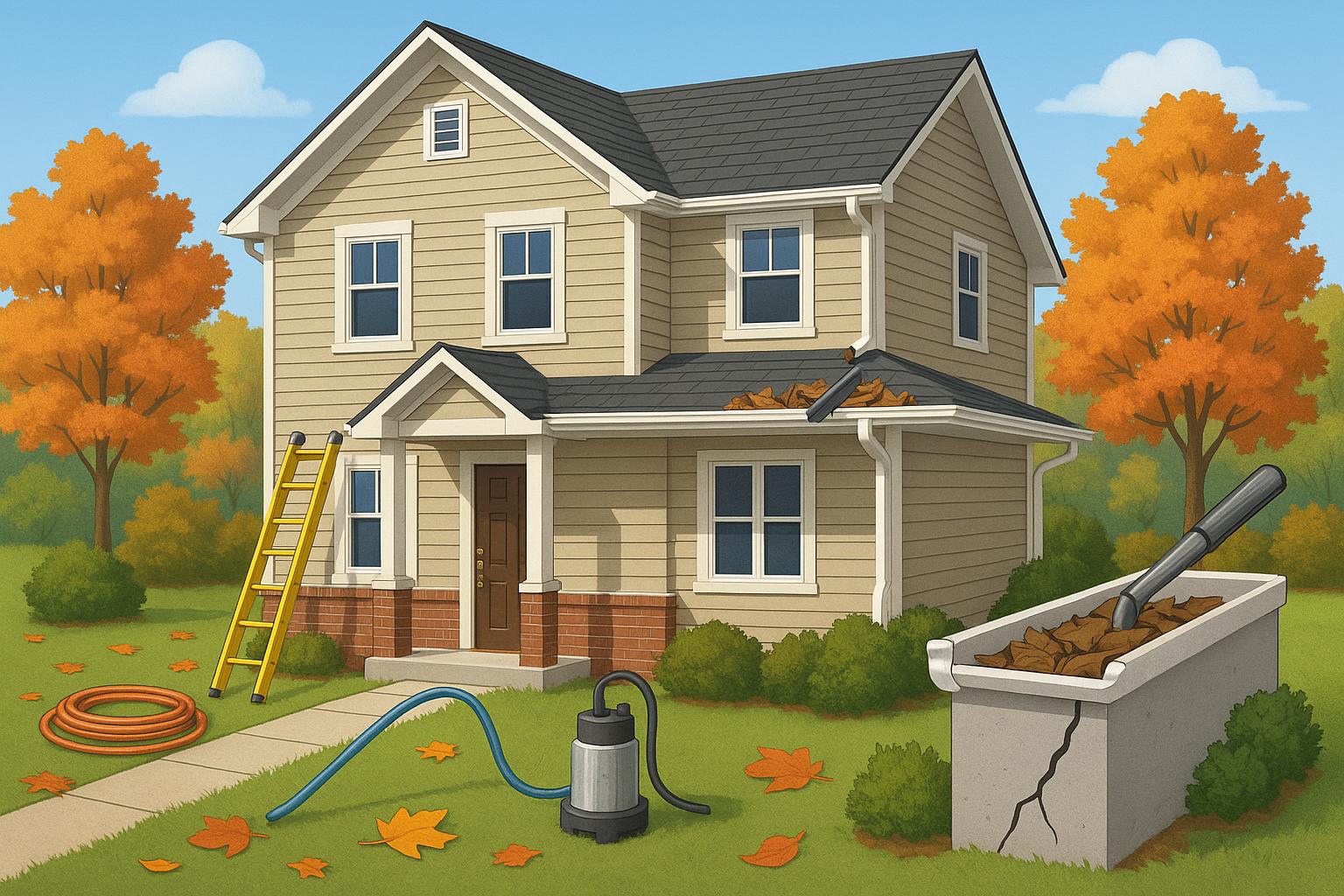
One of the simplest ways to avoid bigger structural problems is to make sure water can drain off the roof the way it is supposed to. Gutters and downspouts are not just there to keep water from splashing near the base of the house. When they get clogged, water can collect along the roof edge, linger there, and start slipping under materials that are more exposed than they should be. That kind of overflow can also cause damage to the fascia and keep nearby trim or roof decking repeatedly wet.
A useful inspection should focus on signs that something is not draining properly. Granules collecting in the gutters, leaves and debris, loose fasteners, standing water, or sections pulling away from the roofline can all point to a problem. None of that is just cosmetic. Those details often mean the drainage system is struggling, or the roof edge is dealing with more moisture and pressure than it was built to handle.
Pay Attention To Flashing Before Shingles
Many owners focus on missing shingles because they are easy to imagine. In reality, flashing failures are often the starting point for costly leaks. Areas around vent stacks, chimneys, skylights, wall intersections, and valleys have more joints and more opportunities for separation. A roof can look fine from the yard and still be vulnerable where these materials meet.
Seasonal checks should include lifted metal, cracked sealant, rust, exposed fasteners, and any sign that water has been tracking along a joint. These defects are usually cheaper to correct early than after moisture reaches the deck below. This is also where the second mention of roof repair salt lake city makes sense for homeowners, as it compares whether a targeted repair will solve the issue or whether neglected flashing has already allowed broader water intrusion.
Use The Attic As An Early Warning System
The attic is often the first place where roof problems start to show. A quick look can reveal dark stains on the wood, damp insulation, a musty odor, or small spots where daylight is visible. Any of these can signal a problem overhead, whether moisture is getting in or outside air is slipping through gaps that should be sealed. Poor ventilation often shows up there as well. When heat and moisture build up, roofing materials can wear out faster, even when the weather has been relatively mild.
You do not need any technical expertise to notice when something seems off. The important thing is to catch changes early. Insulation that looks compressed, nails with moisture marks, or roof decking with repeated discoloration can all be signs of a developing issue. Spotting those warnings early may give you time to make repairs before the surrounding wood begins to deteriorate.
Schedule Maintenance Around Risk, Not Convenience
The best maintenance calendar is tied to weather transitions. A roof deserves attention after winter, after periods of heavy wind or driving rain, and again before the next cold season begins. That timing catches the damage when it is fresh, before the next round of weather compounds it. Waiting until a contractor is urgently needed usually means accepting higher costs and fewer options.
Seasonal maintenance does not have to be dramatic. Clear the drainage system. Check exposed components from the ground. Review the attic. Arrange a professional inspection when warning signs appear or the roof enters a more vulnerable stage. Consistency matters more than intensity.
When A Small Repair Is The Cheaper Structural Decision
Owners sometimes delay repair because the surface issue looks minor. That instinct can be expensive. A loose section of flashing, a missing shingle tab, or repeated overflow at one corner may not feel urgent, but each one gives moisture a chance to reach wood, insulation, and interior finishes. Once that happens, the work is no longer limited to the roof covering.
The most cost effective repair is usually the one done while the damage is still isolated. That is the real purpose of seasonal maintenance. It preserves the structure beneath the roof, not just the materials visible from the outside.
Conclusion
Seasonal upkeep prevents costly structural issues by focusing on the areas where roofs actually fail: drainage edges, joints, penetrations, and ventilation-related weak spots. A thoughtful inspection routine will not eliminate wear, but it can stop minor defects from becoming major repairs. The earlier those trouble areas are found, the better the chance of protecting the roof, the framing beneath it, and the budget set aside for the rest of the home.